Shopping for Water Filtration System for a Property in Chattahoochee Florida?
Each piece of hardware on the market answers a particular complaint, and none answers all of them; the sections below put the options in plain language.
Speak with Ackuritlabs And Aqua Systems at 850-616-2634 and describe the stains, scale or smells you want gone.
Where Treatment Begins – Results Decide the Hardware
Taste and appearance narrow the field, though only a lab report settles it, and the figure is what a provider uses to size and pick the unit. A first conversation commonly ends with advice on what to sample before the next step; patience at this stage tends to save money later.
Resin Tanks: How the Resin Works
Hardness minerals stick to a charged resin, which swaps them for sodium or potassium ions, and a salt or potassium brine recharges the bed on a schedule. Softened supply leaves less scale on fixtures, glass and heating elements; other equipment handles those jobs.
Conditioning Instead of Softening – Changing How Scale Forms
Conditioners leave the hardness figure unchanged and change the shape of the crystals that form, though results vary with the water and the model. Because the minerals remain, soap and shampoo behave as they would on hard supply, and it helps compare options fairly.
Taste and Odor Control: Chlorine, Odors and Organic Traces
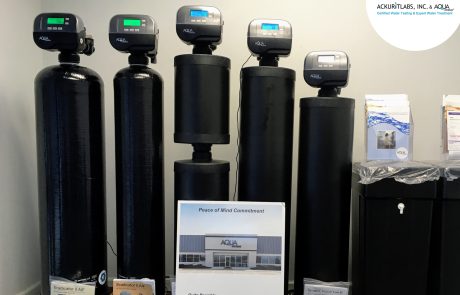
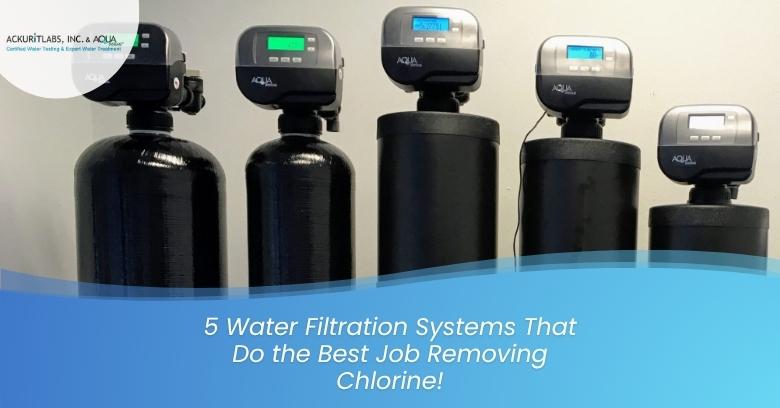
Surfaces inside the carbon grab onto particular chemicals, leaving a cleaner taste behind, and the lab or the utility report can say. Carbon has a limited capacity, and once it is spent, it stops doing its job, and the maker's change interval is a guide, not a promise.
Canisters on the Line – Catching Grit Before It Travels On
Sediment cartridges screen out sand, rust flakes and silt before they reach appliances, which lets each cartridge last longer. A carbon cartridge installed in the same housing style handles taste while the sediment unit handles grit; write the swap date on the canister.
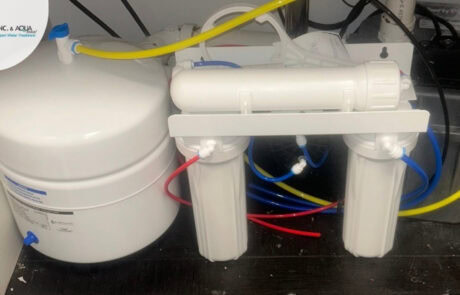
Membrane Systems – Storage Tank, Faucet and Drain
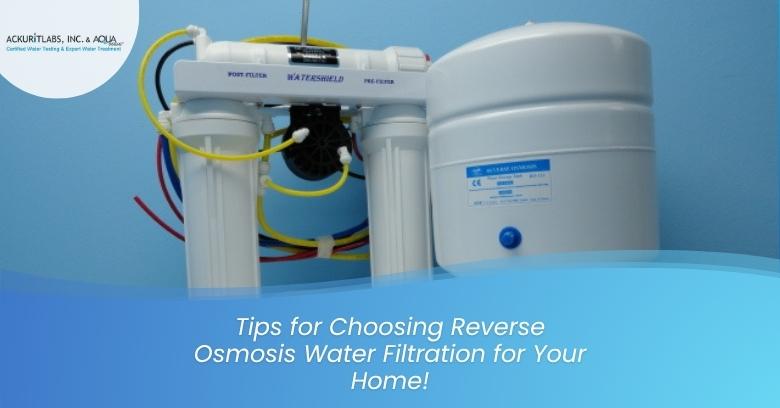
A small pump or the line pressure drives the flow through a membrane with extremely fine pores; the rejected stream runs to a drain, so a connection to the sink drain is part of the installation. Some units add minerals back after the membrane to adjust taste; ask for the maintenance schedule in writing.
Feeding Chlorine Into the Line: Why Dose Control Matters
A chlorine injector meters a small amount of disinfectant into the line ahead of a holding tank, and it also acts on bacteria in the supply. Where the supply is meant for drinking, the leftover chlorine is filtered off; a wrong dose helps nobody.
Scope of a System: What Each Layout Covers
Point-of-entry installations deal with problems that affect the entire plumbing system; larger tanks and brine cabinets take real room. Smaller units at one sink target what people drink, leaving the rest of the plumbing alone; the provider can sketch where each unit would go.
Peak Demand Math – Pressure Drop and Pace
Equipment is rated by how fast supply can pass through it and by how much it can treat before servicing; high readings use up capacity faster. When a unit is too small, pressure falls at fixtures during busy mornings, and a vague one deserves a follow-up question.
Practical Requirements: Bypass Valves, Drains and Outlets
A bypass lets the household isolate a unit without shutting off the whole supply; the walk-through before work matters. Codes affect drain connections, backflow protection and the placement of equipment; leave room to open the tank lid and swap a cartridge.
Private Source or Public Main – Pressure Tanks and Pumps
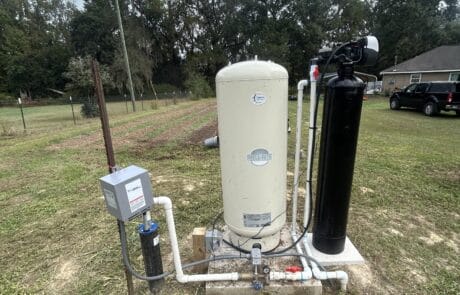
Private wells deliver untreated groundwater, which can carry iron, sulfur, hardness and microbes; sediment and iron tend to be the early concerns. A quick description of the plumbing path is enough to start the right conversation; photos of the existing equipment help.
Storms and Power Interruptions: Planning Before the Season
Pumps, injectors and controllers all depend on electricity, and an outage pauses every one of them, since a stuck valve is easier to catch early. Equipment that sat in floodwater needs inspection before it goes back into service; photographs taken before the season make later comparisons easier.
Day-to-Day Presence – Placement Decisions That Last
Noise from a unit tends to come from the drain line and the valve rather than the tanks, which is worth thinking through before delivery. Equipment is easiest to live with when the controls and the drain sit where a person can reach them; measure doors and hallways as well.
Working With Existing Equipment – Keep, Repair or Replace
Inherited hardware is worth examining before anything new is added, which helps weigh a repair against a new unit. The simplest upgrade is often a fresh set of cartridges or media, not a new system; ask for a plain list of what changes and what stays.
Equipment for Operations: Written Specifications
Boilers, cooling equipment and ice makers can be sensitive to scale, which shapes the design; the survey of the site comes first. A property manager benefits from a maintenance plan that lists tasks, intervals and who does them, because early warning beats a repair.
Maintenance Rhythm: Salt, Cartridges and Media
Every type of equipment has a consumable: salt for softeners, cartridges for filters, membranes for osmosis units; adjust to what the supply actually does. Bad smells from a filter housing mean it has gone too long, and a service call beats a failed system.
Verifying What Changed – Numbers, Not Impressions
The most reliable verification is a fresh panel run on the same items as before; a retest a few months in shows whether the system is holding. Some substances respond well and others hardly at all, which the new figures reveal; the file is useful for a future sale.
Where Hardware Stops: Questions for Any Seller
A softener will not make a supply taste different, and a carbon filter will not soften it; compare the data sheet with your lab report. Honest answers sound specific, and vague answers sound like a sales line, and a plain no is sometimes the most useful answer.
Questions for a Provider: Details That Separate Good Plans
- Which lab results is the proposal based on, and which items does it address; vague answers deserve a follow-up.
- Which local rules apply to this installation, and who handles them, and how can questions be raised afterward.
- How will you know the equipment is working a few months from now; ask about it before work starts.
A Call Before a Purchase: Bring What You Know
Contact Ackuritlabs And Aqua Systems at 850-616-2634 and ask what to collect before any equipment is chosen.
Pulling the Threads – the Sequence That Works
Every lasting installation rests on a clear diagnosis, a suitable size and regular care, because each property in Chattahoochee Florida has its own story, whatever any page says about Water Filtration System. The number to call is 850-616-2634, and the conversation is the first step, and share what the lab report shows.
Verified

Verified
Verified
Verified
Verified