Need Water Treatment in Hilliardville Area?
Matching the device to the finding is what separates a useful installation from a blind guess, and the sections below explain how the common options differ.
Call Ackuritlabs And Aqua Systems at 850-616-2634 and describe the stains, scale or smells you want gone.
Where Treatment Begins: a Lab Number Beats a Guess
Orange stains, chalky scale and a swampy smell can each have a separate cause, and each calls for different gear, which keeps the proposal tied to evidence. A first conversation commonly ends with advice on what to sample before the next step; skipping ahead is where most mismatches begin.
Taking Out Hardness – Swapping Minerals for Sodium or Potassium
A conventional softener passes the supply through a bed of resin beads that grab calcium and magnesium, and the stored brine is topped up with salt as needed. Scale buildup on heaters, kettles and shower heads slows down where hardness has been removed, though a softener does little for iron staining beyond a modest level.
Scale Control Without Salt: No Drain, No Salt, Different Results
These devices work on how scale sticks, and they do not strip the minerals out, which suits some households and some local rules. The results are described best as less crust, not no crust, and it helps compare options fairly.
Activated Carbon: Matching Carbon to the Target
Surfaces inside the carbon grab onto particular chemicals, leaving a cleaner taste behind, and the lab or the utility report can say. Capacity depends on how much is in the supply and how much a household uses, and the maker's change interval is a guide, not a promise.
Spun, Pleated and Wound Media – Why Order Matters
Grit and flakes get stopped by a pleated or wound element sitting in a clear or opaque canister, and a smaller rating catches finer particles but clogs sooner. Pressure falls as an element loads up, which is the practical signal to swap it; a wrench for the housing is a worthwhile purchase.
Membrane Systems – Storage Tank, Faucet and Drain
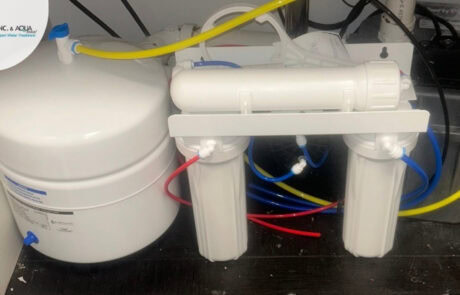
A small pump or the line pressure drives the flow through a membrane with extremely fine pores; most home units sit under a sink and serve one tap. Reverse osmosis units reduce many dissolved substances, though performance varies by model and by supply; ask for the maintenance schedule in writing.
Feeding Chlorine Into the Line – Time, Dose and Cleanup
A metering pump feeds sodium hypochlorite into the flow, and a tank gives it time to react; time in the tank is what makes the reaction complete. Residual chlorine has to be removed afterward, and a carbon filter normally takes that job, and chemical equipment is installed and set up with care.
Treating Everything or Just the Faucet – One Tap, One Sink, One Appliance
A unit at the main line treats every tap, the shower, the washer and the water heater; a garage or utility closet often becomes the home. Where only one fixture matters, a compact installation avoids treating the whole house; ask for a simple diagram of the plan.
Sizing – Pressure Drop and Pace
The size of the housing and the volume of media set how much a system can handle; the number of bathrooms and people is part of the calculation. A well-matched system suits the building rather than the biggest model on offer; ask to see the numbers behind the recommendation.
Space and Connections – Planning for Service Access
A bypass lets the household isolate a unit without shutting off the whole supply; a drain line, an air gap and a nearby outlet come with a softener. Local plumbing and electrical rules may apply, and the installer is the one to know them, and clear labels on valves help the next person.
Supply Source Matters – Pressure Tanks and Pumps
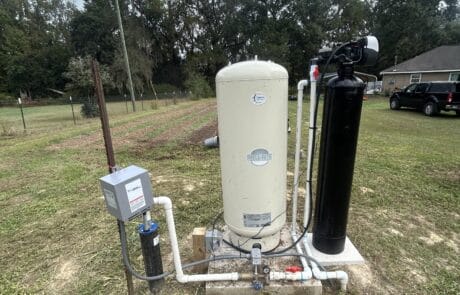
Raw well supply brings the chemistry of the ground straight to the plumbing, and the right system differs accordingly. Equipment picked from a neighbor's experience may not suit a different source; neighbors on the same aquifer can still differ.
Hurricane-Season Readiness – Protecting Gear From Surge and Silt
Electronic valves keep time with the power, so a clock that resets can trigger recharges at odd hours; a quick look at the salt level and the drain line completes the check. Anything touched by flooding, including a well pump and chemical feed gear, deserves a professional look; photographs taken before the season make later comparisons easier.
Where Everything Goes – Reaching the Controls
Compressors and pumps are the noisiest parts of larger systems, and they normally sit in a mechanical space; clear floor space around a tank makes salt loading simple. Equipment is easiest to live with when the controls and the drain sit where a person can reach them; measure doors and hallways as well.
Upgrading What Is Already There – Reading Old Labels
Equipment bought long ago was chosen for a supply that may have changed since; a fresh lab panel shows whether the present system is still doing its job. Adding a stage to an existing setup requires attention to order, flow rate and pressure drop; ask for a plain list of what changes and what stays.
Equipment for Operations – Keeping Service Running
Commercial installations are usually specified on paper, with flow rates and targets spelled out, and a controller can log regeneration cycles. Training the people on site about shutoffs and alarms prevents small problems from growing, and it supports any later troubleshooting.
Maintenance Rhythm: Signs a Unit Needs Attention
Treatment is not a one-time purchase, since something wears out or runs low on every system; the manual lists intervals, though a heavy load shortens them. If stains come back, or the taste creeps back, something in the chain has used up its capacity, and a retest confirms the numbers.
Closing the Loop: Tracking Performance
The most reliable verification is a fresh panel run on the same items as before; a retest a few months in shows whether the system is holding. Some substances respond well and others hardly at all, which the new figures reveal; the file is useful for a future sale.
Limits to Keep in Mind – Read the Fine Print
Each technology removes some things and leaves others, so a layered setup is common; ask how that is demonstrated. If a proposal does not mention the lab results, ask how it was reached; nothing here replaces advice for your property.
Before You Sign – Written Answers Preferred
- Which lab results is the proposal based on, and which items does it address; vague answers deserve a follow-up.
- Who installs the equipment, and who services it after the job is done; clear scope prevents surprises.
- What does a retest look like, and when is it scheduled, and what does it say about future servicing.
Start the Conversation: Describe the Problem First
Speak with Ackuritlabs And Aqua Systems at 850-616-2634 to ask what a sensible first step would be for your supply.
Pulling the Threads: Test, Choose, Install, Confirm
Every lasting installation rests on a clear diagnosis, a suitable size and regular care, and for Water Treatment in Hilliardville Area the first step is a conversation about the supply and the symptoms. To get started, reach Ackuritlabs And Aqua Systems at 850-616-2634, and say what you would like to change.