Looking for Water Treatment Around Crawfordville Florida?
Equipment gets chosen to fix a measured problem, and the fix is only as good as the diagnosis behind it; the sections below put the options in plain language.
Contact Ackuritlabs And Aqua Systems at 850-616-2634 and describe the stains, scale or smells you want gone.
The Order of Operations: a Lab Number Beats a Guess
A smell, a stain or a taste is a symptom, and the symptom alone rarely identifies the cure; having a report on hand speeds everything up. A first conversation commonly ends with advice on what to sample before the next step; patience at this stage tends to save money later.
Ion Exchange: How the Resin Works
The beads in a softener hold hardness minerals until they are rinsed clean; when the beads fill up, a brine rinse flushes the captured minerals to a drain. Scale buildup on heaters, kettles and shower heads slows down where hardness has been removed, and it will not change the taste of the supply on its own.
Salt-Free Conditioners – Changing How Scale Forms
Conditioners leave the hardness figure unchanged and change the shape of the crystals that form, though results vary with the water and the model. Because the minerals remain, soap and shampoo behave as they would on hard supply; being clear on this point prevents disputes later.
Taste and Odor Control: Chlorine, Odors and Organic Traces
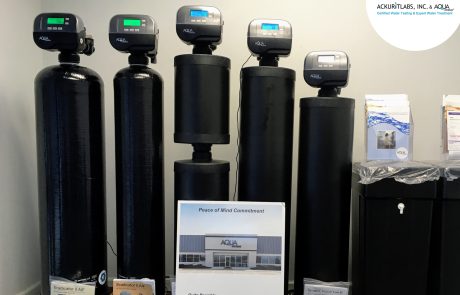
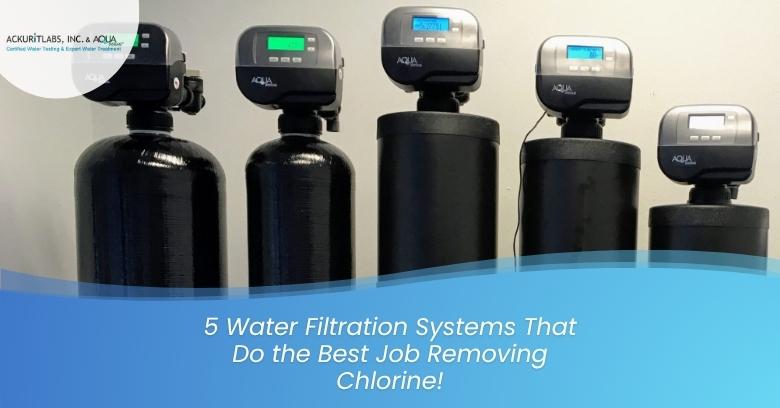
Carbon holds onto certain compounds as supply passes through, which cuts chlorine taste and some odors, and ordinary carbon handles free chlorine more easily than chloramine. Contact time and flow rate affect results, and a unit pushed too hard performs worse; a taste that creeps back is the usual reminder.
Housings and Replaceable Elements – Why Order Matters
Grit and flakes get stopped by a pleated or wound element sitting in a clear or opaque canister; a series of coarse then fine elements spreads the load. Pressure falls as an element loads up, which is the practical signal to swap it; keep a spare cartridge on a shelf.
Drinking Supply Upgrades: Where It Sits and What It Wastes
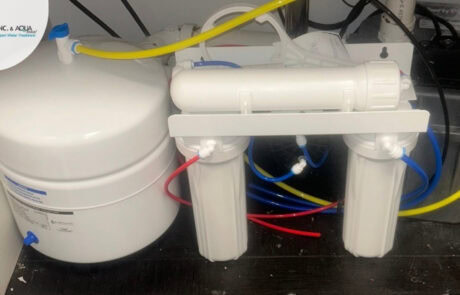
Pressure pushes the supply against a semipermeable membrane, and most dissolved material is held back; compact units fit under a sink and serve a single tap. The reduction achieved depends on membrane condition, pressure and what is in the feed; the provider can explain what to expect for your supply.
Treating Iron, Sulfur and Microbes: a Metering Pump and a Retention Tank
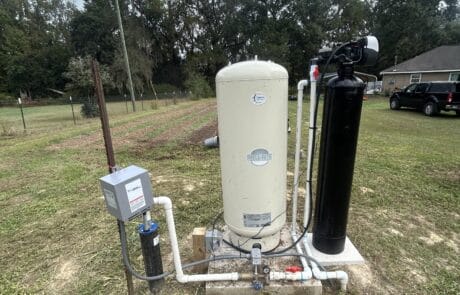
Where a well carries iron, sulfur or microbes, injecting chlorine is a long-established approach; the tank is sized to the flow of the well. The final stage polishes taste and removes what remains of the disinfectant, and chemical equipment is installed and set up with care.
Scope of a System – One Tap, One Sink, One Appliance
A unit at the main line treats every tap, the shower, the washer and the water heater; scale, iron and chlorine are the usual reasons to go this route. Many households combine both: a main-line device for scale and a sink model for taste, and it shows which walls and lines are involved.
Sizing: What Undersizing Looks Like
A unit has two numbers that matter: a peak flow rating and a capacity between cleanings; high readings use up capacity faster. When a unit is too small, pressure falls at fixtures during busy mornings; a reasoned answer is a good sign.
Plumbing, Power and Drain Needs: Tying Into Existing Lines
Shutoffs on both sides of a unit make servicing simple; a drain line, an air gap and a nearby outlet come with a softener. Codes affect drain connections, backflow protection and the placement of equipment, and clear labels on valves help the next person.
What Changes by Source: Planning Around the Source
Raw well supply brings the chemistry of the ground straight to the plumbing, and equipment has to work with the pump's pressure and flow. Because the two sources differ, the same product can be a great fit on one and wasted on the other; neighbors on the same aquifer can still differ.
Hurricane-Season Readiness: What to Check Afterward
Many controllers keep their program in memory for a short while, and then need to be set again, and the manual shows how to reset the controller. Equipment that sat in floodwater needs inspection before it goes back into service; ask the installer what to do before a storm.
Noise, Space and Appearance: Keeping the Area Tidy
Pumps and metering equipment hum when they work, so placement matters for bedrooms and offices, and a level pad keeps tanks from shifting. Leaving room to open lids, change cartridges and read gauges makes upkeep a quick job; a sketch of the space helps the planning.
Working With Existing Equipment: Test Before Deciding
Inherited hardware is worth examining before anything new is added; the model number on the label usually leads to a manual and a parts list. A sediment screen or a carbon stage can often be added without replacing everything; ask for a plain list of what changes and what stays.
Commercial Systems: Boilers, Ice Machines and Kitchens
Business equipment is sized for higher flows and often arranged in pairs so one tank can work while the other recharges; the existing mechanical room often decides what fits. Commercial owners usually want service records, so the system should make them easy to keep, because early warning beats a repair.
Service Schedule – Setting Reminders
Soft supply depends on a brine tank that is kept stocked; adjust to what the supply actually does. Bad smells from a filter housing mean it has gone too long; an annual look at the controls is sensible.
Closing the Loop: When to Retest
A sample collected after the system is running shows whether the problem was solved, and the lab can run the identical methods again. If a reading is still high, the report guides the next adjustment, and keeping both reports together tells the story.
Limits to Keep in Mind: No Single Device Fixes Everything
Each technology removes some things and leaves others, so a layered setup is common; claims about results should point to a published test method. A fair provider will tell you when equipment is not the fix, or not the whole fix; weigh each source on how specific it is.
Before You Sign: Scope, Parts and Follow-Up
- Which readings on the report are meant to change, and which are not expected to, and what stays the same afterward.
- Which local rules apply to this installation, and who handles them; clear scope prevents surprises.
- Where should the paperwork for the system be stored; each of these is worth asking.
Planning a System: Bring What You Know
Call Ackuritlabs And Aqua Systems at 850-616-2634 to find out how a system would be planned and sized.
In Plain Terms: Next Steps
A dependable setup follows a sequence: measure the supply, pick equipment to suit, install it carefully and test again; whatever has brought you to read about Water Treatment near Crawfordville Florida, a short call sorts out where to begin. To get started, reach Ackuritlabs And Aqua Systems at 850-616-2634, and say what you would like to change.
Verified

Verified
Verified
Verified
Verified