Looking for Water Softener Installation Around Crawfordville Florida?
A treatment system is a tool for one job, so the job has to be named before the tool is picked, and the sections below explain how the common options differ.
Speak with Ackuritlabs And Aqua Systems at 850-616-2634 and say whether the supply is a well or a city line.
Before Any Equipment: a Lab Number Beats a Guess
Three households with the same complaint can need three different systems, because the underlying chemistry differs; having a report on hand speeds everything up. Where no result exists yet, a provider can often suggest what to measure, and the choice of equipment follows once the numbers arrive.
Taking Out Hardness – Swapping Minerals for Sodium or Potassium
The core of a standard softener is a resin bed that exchanges hardness minerals for a softer ion, and a salt or potassium brine recharges the bed on a schedule. Scale buildup on heaters, kettles and shower heads slows down where hardness has been removed, and it will not change the taste of the supply on its own.
Scale Control Without Salt: What They Do and Do Not Do
Conditioners leave the hardness figure unchanged and change the shape of the crystals that form, which suits some households and some local rules. A conditioner will not give the slick feel that a softened supply has in the shower; being clear on this point prevents disputes later.
The Charcoal Option – Granular Beds and Blocks
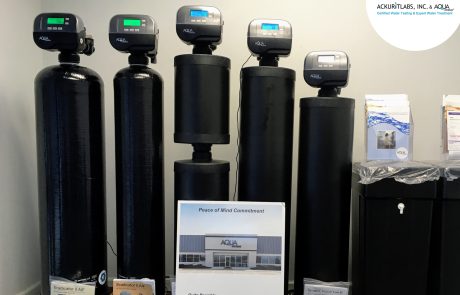
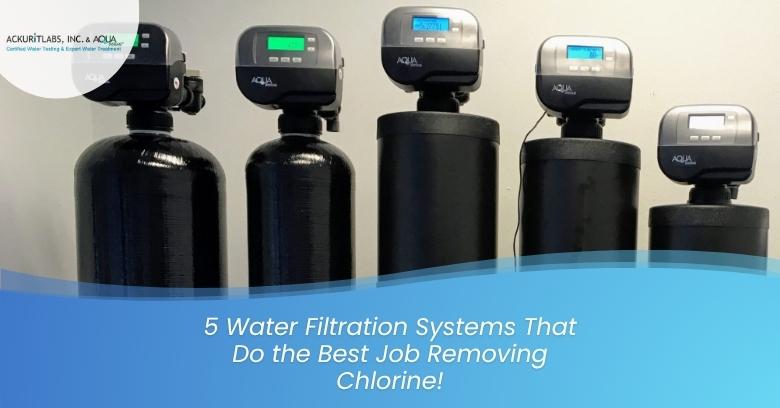
Filters based on carbon are the usual choice for chlorine taste and many household odors; it helps to know what the utility adds. Carbon has a limited capacity, and once it is spent, it stops doing its job, and the provider can estimate a schedule.
Spun, Pleated and Wound Media – Catching Grit Before It Travels On
Particle filters are the first stage in many systems, catching whatever would clog the rest, which lets each cartridge last longer. The installer chooses which element goes first, because a clogged first stage starves the rest; replacements are sold by size, so note the model.
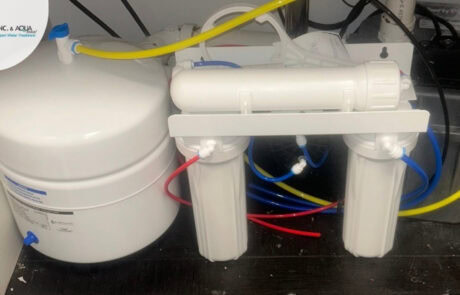
The Under-Sink Purifier – Storage Tank, Faucet and Drain
A membrane passes the liquid and rejects a large share of dissolved salts and other solids; the rejected stream runs to a drain, so a connection to the sink drain is part of the installation. Some units add minerals back after the membrane to adjust taste, and the reject volume is worth asking about.
Chlorination: Why Dose Control Matters
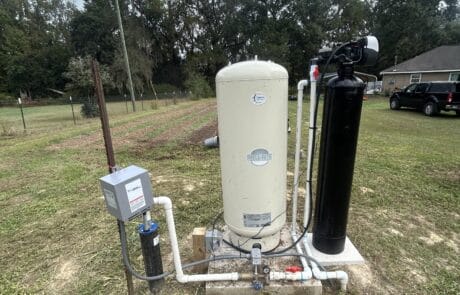
The setup pairs a feed pump with a retention tank so the chlorine has time to work; the chlorine oxidizes iron and sulfide into forms that can be filtered out. The final stage polishes taste and removes what remains of the disinfectant; a wrong dose helps nobody.
Point of Entry Versus Point of Use: What Each Layout Covers
Whole-house layouts put one set of equipment ahead of every fixture; larger tanks and brine cabinets take real room. A point-of-use unit serves a single faucet, usually the kitchen, and suits drinking and cooking, and the two approaches work well together.
Flow Rate and Capacity: Gallons per Minute and Grains
Ratings printed on the label describe the equipment, and the installer matches them to the building; high readings use up capacity faster. Oversizing has drawbacks too, since idle media can foul and extra tanks need space; ask to see the numbers behind the recommendation.
Practical Requirements – Codes and Neighbors
Most systems need a bypass valve so the plumbing can keep flowing during service, and electrical needs vary from a plug-in transformer to a dedicated circuit. Local plumbing and electrical rules may apply, and the installer is the one to know them; a tidy install is easier to maintain.
Supply Source Matters: Planning Around the Source
Supply from a public system arrives already disinfected, which changes what is left to fix, and equipment has to work with the pump's pressure and flow. A quick description of the plumbing path is enough to start the right conversation, and a lab report removes most of the guesswork.
After an Outage – Resetting the Clock and the Valve
Electronic valves keep time with the power, so a clock that resets can trigger recharges at odd hours; a quick look at the salt level and the drain line completes the check. Anything touched by flooding, including a well pump and chemical feed gear, deserves a professional look; write down the shutoff locations.
Living With the Equipment – Reaching the Controls
Compressors and pumps are the noisiest parts of larger systems, and they normally sit in a mechanical space; a garage, a utility closet or a pump house is the usual home. A tidy installation labels valves, supports the plumbing and keeps the area dry; measure doors and hallways as well.
Replacement and Add-Ons – Keep, Repair or Replace
A house may come with equipment that nobody remembers installing, so a look at the labels is the first step, which helps weigh a repair against a new unit. A sediment screen or a carbon stage can often be added without replacing everything; nothing is replaced without a reason.
When a Property Has Many Users: Written Specifications
Business equipment is sized for higher flows and often arranged in pairs so one tank can work while the other recharges, and a drawing of the proposed layout is a reasonable request. A property manager benefits from a maintenance plan that lists tasks, intervals and who does them, and it supports any later troubleshooting.
Service Schedule – Setting Reminders
Treatment is not a one-time purchase, since something wears out or runs low on every system; adjust to what the supply actually does. Any change from how the system used to behave is the cue to check it; an annual look at the controls is sensible.
Closing the Loop: Before and After Side by Side
The most reliable verification is a fresh panel run on the same items as before; schedule it when the system goes in. Expect a number lower than before, not necessarily a number of zero; a short note on the equipment installed completes the record.
Where Hardware Stops: Questions for Any Seller
Marketing language tends to be broader than what a product actually does; compare the data sheet with your lab report. A fair provider will tell you when equipment is not the fix, or not the whole fix, and a plain no is sometimes the most useful answer.
Before You Sign – Everything in Writing
- Which readings on the report are meant to change, and which are not expected to, and the proposal should say so on paper.
- Which local rules apply to this installation, and who handles them; ask for a copy of the manuals too.
- What signs should prompt a call before the next scheduled check; each of these is worth asking.
Planning a System: Describe the Problem First
Dial Ackuritlabs And Aqua Systems at 850-616-2634 and ask what to collect before any equipment is chosen.
The Short Version – the Sequence That Works
A dependable setup follows a sequence: measure the supply, pick equipment to suit, install it carefully and test again, and for Water Softener Installation in Crawfordville Florida the first step is a conversation about the supply and the symptoms. The number to call is 850-616-2634, and the conversation is the first step, and say what you would like to change.
Verified

Verified
Verified
Verified
Verified