Looking for Water Filtration Across Florida Panhandle?
Equipment gets chosen to fix a measured problem, and the fix is only as good as the diagnosis behind it; read on for how the pieces fit together.
Contact Ackuritlabs And Aqua Systems at 850-616-2634 and say whether the supply is a well or a city line.
The Step Ahead of the Purchase: Naming the Target
Three households with the same complaint can need three different systems, because the underlying chemistry differs, which keeps the proposal tied to evidence. Anyone without a recent report can usually be pointed to a suitable panel first; skipping ahead is where most mismatches begin.
Resin Tanks: Regeneration in Plain Terms
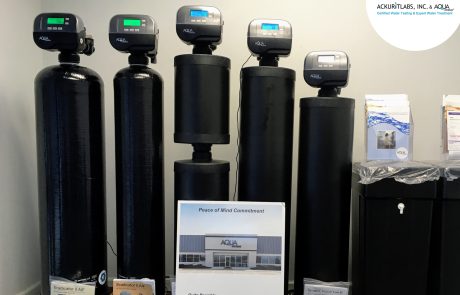
The core of a standard softener is a resin bed that exchanges hardness minerals for a softer ion; when the beads fill up, a brine rinse flushes the captured minerals to a drain. Softened supply leaves less scale on fixtures, glass and heating elements; the lab result still decides what else belongs in the plan.
Alternatives to the Brine Tank: an Honest Comparison
A salt-free unit does not remove calcium or magnesium; it alters how those minerals behave; people choose these devices to avoid salt, brine discharge and a drain connection. Anyone expecting the soft feel of a true softener should know the two are different things, and it helps compare options fairly.
The Charcoal Option: Matching Carbon to the Target
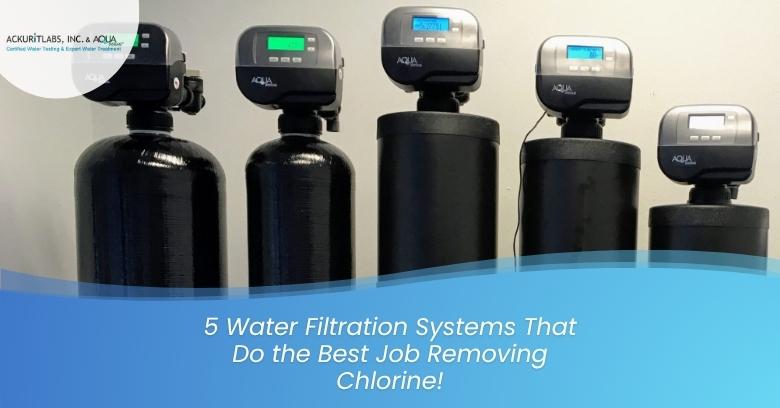
A carbon bed or block is the common answer when a city supply tastes or smells of disinfectant; each type of carbon targets specific compounds, so the media is picked to suit the finding. A saturated filter can release what it captured, which is why change schedules matter; keeping a date on the housing is a good habit.
Housings and Replaceable Elements – Catching Grit Before It Travels On
A housing on the line holds a cartridge that screens out particles above a chosen size, and a smaller rating catches finer particles but clogs sooner. A carbon cartridge installed in the same housing style handles taste while the sediment unit handles grit; a wrench for the housing is a worthwhile purchase.
Drinking Supply Upgrades: Pressure, Membrane and Reject Stream
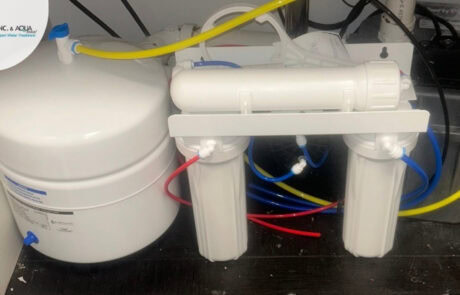
A small pump or the line pressure drives the flow through a membrane with extremely fine pores, and a small storage tank holds finished supply for the dedicated faucet. Pre-filters protect the membrane, and replacing them on time protects the system, and a membrane may last for a long stretch if it is protected.
Injectors and Contact Tanks: a Metering Pump and a Retention Tank
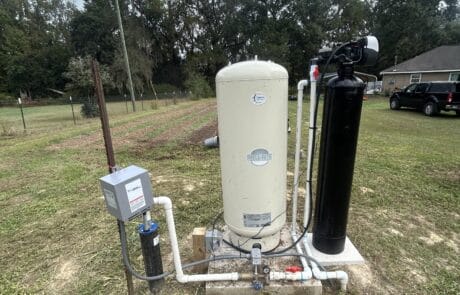
Where a well carries iron, sulfur or microbes, injecting chlorine is a long-established approach; the tank is sized to the flow of the well. Where the supply is meant for drinking, the leftover chlorine is filtered off; chemicals are stored and handled according to the label.
Whole-House or Single-Tap: What Each Layout Covers
Whole-house layouts put one set of equipment ahead of every fixture; a garage or utility closet often becomes the home. Many households combine both: a main-line device for scale and a sink model for taste; ask for a simple diagram of the plan.
Sizing: Gallons per Minute and Grains
The size of the housing and the volume of media set how much a system can handle, along with the hardness or iron level on the lab report. Oversizing has drawbacks too, since idle media can foul and extra tanks need space, and a vague one deserves a follow-up question.
Space and Connections – Codes and Neighbors
Shutoffs on both sides of a unit make servicing simple; the walk-through before work matters. Codes affect drain connections, backflow protection and the placement of equipment, and access for servicing should be planned from the start.
Supply Source Matters: Chlorine Added or Not
Supply from a public system arrives already disinfected, which changes what is left to fix; sediment and iron tend to be the early concerns. A carbon unit that suits a city line may be useless against the main problem of a well; mention the source on the first call.
After an Outage: What to Check Afterward
Many controllers keep their program in memory for a short while, and then need to be set again; checking the time and the settings after power returns takes a minute. Silt in a housing, a wet motor or a corroded joint can turn a repair into a replacement, and the provider can describe what a post-storm check involves.
Noise, Space and Appearance: Tanks, Hums and Cabinets
Pumps and metering equipment hum when they work, so placement matters for bedrooms and offices, and the location is chosen to keep lines short and service easy. Equipment is easiest to live with when the controls and the drain sit where a person can reach them, and the provider should ask about access.
Inherited Hardware – Keep, Repair or Replace
Equipment bought long ago was chosen for a supply that may have changed since, which helps weigh a repair against a new unit. New components usually have to fit the pipe sizes, the pressure and the drain already in place, and the installer should explain what is being kept.
Equipment for Operations – Coordinating With Maintenance
Restaurants, offices and apartment buildings draw far more than a house, and the gear is scaled to match; the survey of the site comes first. Training the people on site about shutoffs and alarms prevents small problems from growing, and the provider can supply those if asked.
Routine Care – Setting Reminders
Filters eventually clog, and carbon eventually saturates, so each has a replacement interval; adjust to what the supply actually does. If stains come back, or the taste creeps back, something in the chain has used up its capacity, and a retest confirms the numbers.
Verifying What Changed: When to Retest
Comparing a new lab report against the original is how a household confirms the hardware did its job; a retest a few months in shows whether the system is holding. Some substances respond well and others hardly at all, which the new figures reveal, and keeping both reports together tells the story.
Where Hardware Stops: No Single Device Fixes Everything
Equipment performs within limits set by its design, the supply and the upkeep; ask how that is demonstrated. Anyone selling treatment equipment should be able to explain what it reduces and what it leaves alone; clear explanations are the best sign.
A Short Interview – Written Answers Preferred
- Is the recommended size tied to the lab figures and the household's flow; vague answers deserve a follow-up.
- How is the unit set up at the start, and what will you be shown before the crew leaves, and how can questions be raised afterward.
- How will you know the equipment is working a few months from now; ask about it before work starts.
Planning a System – One Call Sorts Out Next Steps
Contact Ackuritlabs And Aqua Systems at 850-616-2634 and describe the house, the plumbing and what you want changed.
Pulling the Threads – Upkeep Keeps It Working
Every lasting installation rests on a clear diagnosis, a suitable size and regular care, because each property in Florida Panhandle has its own story, whatever any page says about Water Filtration. Questions are welcome at 850-616-2634, where Ackuritlabs And Aqua Systems can lay out the options; the call goes quickly.