Shopping for Chlorination System Installation for a Property in Fort Braden Florida?
Matching the device to the finding is what separates a useful installation from a blind guess, and the sections below explain how the common options differ.
Speak with Ackuritlabs And Aqua Systems at 850-616-2634 to ask how an installation is planned.
Before Any Equipment: Naming the Target
Orange stains, chalky scale and a swampy smell can each have a separate cause, and each calls for different gear, which keeps the proposal tied to evidence. If the history of the supply is unknown, a baseline panel is the sensible opener; patience at this stage tends to save money later.
Taking Out Hardness: Regeneration in Plain Terms
The core of a standard softener is a resin bed that exchanges hardness minerals for a softer ion; the unit needs a drain line and a power outlet. Scale buildup on heaters, kettles and shower heads slows down where hardness has been removed; it is not meant to filter out bacteria or chemicals.
Scale Control Without Salt: What They Do and Do Not Do
Conditioners leave the hardness figure unchanged and change the shape of the crystals that form; they need no electricity in many designs. The results are described best as less crust, not no crust; being clear on this point prevents disputes later.
Adsorption Media: Matching Carbon to the Target
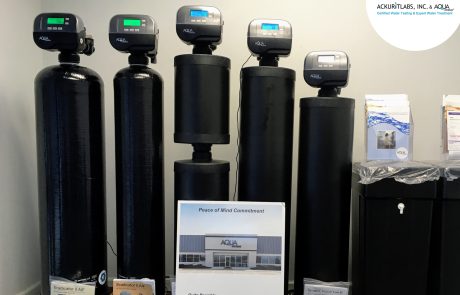
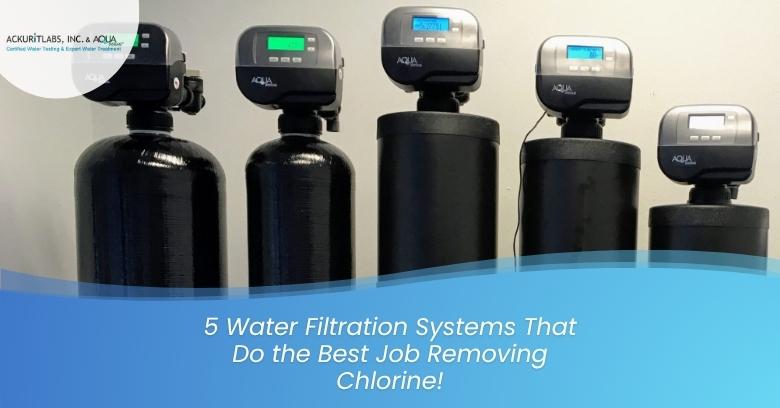
Carbon holds onto certain compounds as supply passes through, which cuts chlorine taste and some odors, and ordinary carbon handles free chlorine more easily than chloramine. Every carbon filter eventually fills up, so replacement or backwashing is part of owning one; a taste that creeps back is the usual reminder.
The Filter Under the Cap: Keeping Spare Elements
Particle filters are the first stage in many systems, catching whatever would clog the rest, which lets each cartridge last longer. Carbon cartridges, including carbon block types, often sit downstream of the sediment stage; replacements are sold by size, so note the model.
High-Pressure Polishing: Pressure, Membrane and Reject Stream
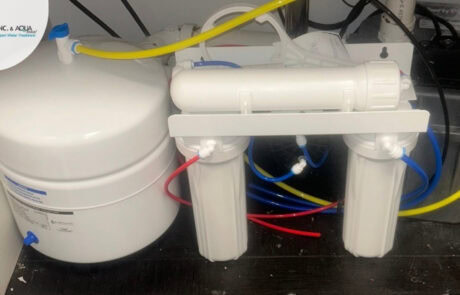
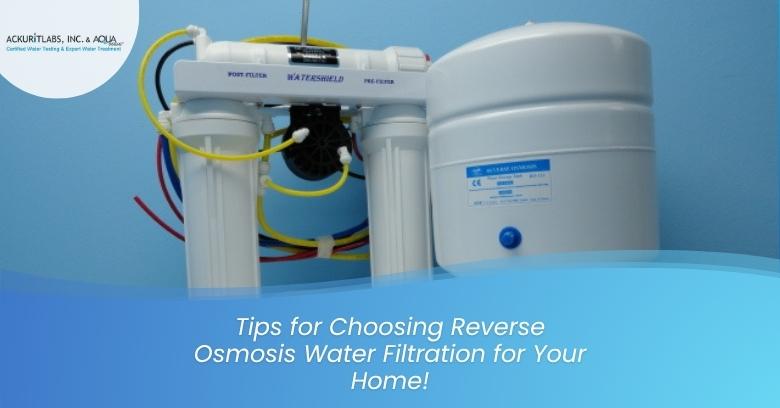
The membrane is the center of the system, flanked by pre-filters and a final carbon stage, and a small storage tank holds finished supply for the dedicated faucet. Reverse osmosis units reduce many dissolved substances, though performance varies by model and by supply; a leak sensor is a sensible add-on.
Chlorination: What the Installer Sets Up
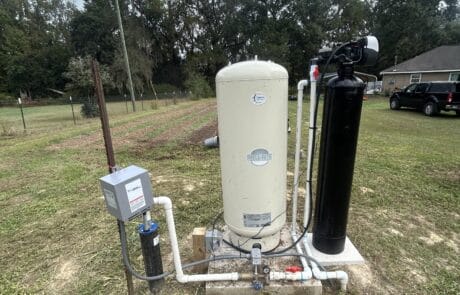
Where a well carries iron, sulfur or microbes, injecting chlorine is a long-established approach, and the dose is set from lab readings. A backwashing filter often follows, clearing the particles the reaction produces, and chemical equipment is installed and set up with care.
Whole-House or Single-Tap – Matching Scope to Need
Point-of-entry installations deal with problems that affect the entire plumbing system, and the machinery needs floor space near the main shutoff. Many households combine both: a main-line device for scale and a sink model for taste; the provider can sketch where each unit would go.
Matching the Unit to the House: Gallons per Minute and Grains
Equipment is rated by how fast supply can pass through it and by how much it can treat before servicing, along with the hardness or iron level on the lab report. When a unit is too small, pressure falls at fixtures during busy mornings, and a vague one deserves a follow-up question.
Space and Connections – Planning for Service Access
Valves around the equipment allow it to be taken out of service in minutes; the walk-through before work matters. Permits or inspections can be required in some jurisdictions, depending on the work, and clear labels on valves help the next person.
Two Starting Points – Raw Groundwater Versus Treated
A well has no utility between it and the tap, so equipment often handles more of the load, and equipment has to work with the pump's pressure and flow. A quick description of the plumbing path is enough to start the right conversation; photos of the existing equipment help.
Hurricane-Season Readiness: Planning Before the Season
Softeners and filters with electronic controllers can lose their settings in a long outage unless a backup battery holds them, since a stuck valve is easier to catch early. Silt in a housing, a wet motor or a corroded joint can turn a repair into a replacement; ask the installer what to do before a storm.
Noise, Space and Appearance: Keeping the Area Tidy
Compressors and pumps are the noisiest parts of larger systems, and they normally sit in a mechanical space; a garage, a utility closet or a pump house is the usual home. A tidy installation labels valves, supports the plumbing and keeps the area dry; measure doors and hallways as well.
Replacement and Add-Ons – Keep, Repair or Replace
Many properties already have a tank, a filter housing or an under-sink unit, and the question is whether it still suits the supply; the model number on the label usually leads to a manual and a parts list. New components usually have to fit the pipe sizes, the pressure and the drain already in place; ask for a plain list of what changes and what stays.
Larger Buildings and Heavier Demand: Boilers, Ice Machines and Kitchens
Commercial installations are usually specified on paper, with flow rates and targets spelled out, and a drawing of the proposed layout is a reasonable request. Staff who run the building need to know where the valves are and what each one does, and it supports any later troubleshooting.
Upkeep – Small Tasks That Protect Big Parts
Filters eventually clog, and carbon eventually saturates, so each has a replacement interval; adjust to what the supply actually does. Warning signs include a return of the old taste, scale reappearing and a drop in pressure, and a service call beats a failed system.
Verifying What Changed: Tracking Performance
Nothing beats a repeat panel for showing whether the readings moved; a retest a few months in shows whether the system is holding. If a reading is still high, the report guides the next adjustment; a short note on the equipment installed completes the record.
What Equipment Cannot Do: Questions for Any Seller
A softener will not make a supply taste different, and a carbon filter will not soften it; ask how that is demonstrated. Anyone selling treatment equipment should be able to explain what it reduces and what it leaves alone; weigh each source on how specific it is.
Comparing Proposals – Everything in Writing
- Does the plan name the substances it targets, rather than speaking in general terms, and what stays the same afterward.
- What parts and consumables are needed, and how often do they need replacing, and how can questions be raised afterward.
- Which items are checked on a routine visit, and which need special tools; follow-up is as important as the install.
Getting Advice – Share Your Lab Report
Speak with Ackuritlabs And Aqua Systems at 850-616-2634 and describe the house, the plumbing and what you want changed.
What to Remember: Matching Hardware to the Finding
The reliable path runs from a lab figure, through a sensible choice of equipment, to a retest that shows the change; this page on Chlorination System Installation in Fort Braden Florida is a starting point, and the details of each property decide the rest. The number to call is 850-616-2634, and the conversation is the first step, and share what the lab report shows.
Verified

Verified
Verified
Verified
Verified