Hoping to Find Residential Water Testing Across Gadsden County Florida?
Testing comes down to a sample, a set of measurements and a report that puts figures on what is in the supply and the sections below explain what each step is for.
Contact Ackuritlabs And Aqua Systems at 850-616-2634 and say whether the supply is a well or a utility line.
Reasons People Test – a Change Is Usually Behind It
Few households test for the sake of testing; something almost always prompts it, and sometimes it is only a neighbor who got a result. A handful of owners simply want a baseline on file, because a result with nothing to compare to is hard to interpret.
Where the Analysis Looks: From Microbes to Minerals
Results are organized by what they describe rather than by how they were run, with the acidity and dissolved solids in a block of their own. A broad screen suits a first look at a supply nobody has measured, and a good order form leaves room to say why you are testing.
Bacteria Samples: Handling Makes the Result
Sampling for microbes starts with a bottle that is clean in a way a kitchen jar never is, and touching the inside of the lid can ruin the result. Many reports treat the screen as a yes-or-no answer for a family of indicator bacteria; a follow-up sample is taken after the source has been treated.
The Hardness Figure: Reading the Numbers
Much of the Panhandle sits on limestone, and the supply picks up minerals from it, and hardness is the term printed on the report. Hardness is quoted either in grains per gallon or in milligrams per liter, which is worth confirming before comparing two reports.
A film on the shower door that wipes off but returns is a clue too, and only a reading separates mild hardness from heavy.
Orange Rings and Tea-Colored Tap: What Is Behind the Color
Reddish residue around a drain suggests iron is present in the supply, with the result stated in milligrams per liter. Yellow-brown tint can come from tannins, which are organic compounds leached from soil and leaves, and telling them apart changes what the household does next.
Odors at the Tap: Where the Smell Starts
Hydrogen sulfide is the compound behind most sulfur complaints, and it usually reads as a stronger smell after the supply sits unused. Whether the smell is present on cold taps as well changes where to look, because it separates a source problem from a heater problem.
Nitrogen Compounds: Nothing to See or Taste
Nothing about the taste or appearance of a supply gives nitrate away; shallow wells near fields, lawns or septic systems are where it tends to show up. Comparing this season against the last shows whether the level is moving, and heavy rain can shift the numbers.
Metals From the Pipes: First Draw and Flushed
Metals such as lead and copper usually enter after the supply has left the main or the well; the sampling method is part of the answer. Sitting time is part of the method, so the household must avoid flushing first; some orders ask for both and compare the results.
Well Owners and Testing: Nobody Else Will Do It
People on a private well manage their own testing schedule, and the habit is more useful than any one result. Groundwater is not a fixed product, and it moves with weather and land use; testing once does not settle the matter permanently.
Utility Supply – Testing at the Tap Still Helps
A public system is monitored by the utility, and its reports describe the supply at the plant and in the network; those figures cannot see what the final stretch of pipe adds. A change after a main break or repair is another reason to check; that detail narrows the list of what to look for.
Local Ground Conditions – What Shallow Wells Face
Limestone country is riddled with solution channels that move surface water down fast, which is a good reason to test in more than one season. Near the shoreline, wells can draw in salty groundwater, and chloride readings become relevant, and inland wells rarely need it.
Hurricane Season Checks – Contamination Can Arrive Overnight
When the ground is saturated, surface runoff finds its way into poorly sealed casings; a fresh test follows any flood. Many agencies suggest finding another source of drinking supply after a flood until results arrive; follow the notices issued for your area.
A Contract Contingency: Coordinating the Sample
Many purchase contracts include a supply check when a house runs on a private well, because contracts differ on what they require. A sample taken for a transaction is handled carefully so everyone trusts it; the record shows who handled the bottle and when.
Commercial Testing: Restaurants, Offices and Rentals
Commercial buildings often run on supplies feeding boilers, coolers and kitchen equipment; the lab can arrange a plan that covers several sampling points. Requirements vary with how a supply is used, so ask before ordering, and the lab can say which methods fit.
Doing the Collection Yourself: What the Lab Hands You
The lab supplies the containers, and different measurements call for different bottles; fill each one to the line the instructions give. Details noted on the spot beat details remembered at the end of the day; a missing label can mean a sample cannot be used.
Delivery and Temperature: Scheduling Around the Lab
Bacteria samples have a short life, and chemistry samples tend to last longer; the day of collection is planned around delivery. Timing the collection around the lab's receiving hours prevents wasted bottles; keep the cooler out of the sun.
Interpreting a Lab Sheet: Not Detected Does Not Mean Zero
A typical report lists each measurement, the result, the unit and the lowest level the method can report; a reading below the limit is printed as not detected or with a less-than sign. Some reports show a standard in an extra column so the comparison is easy, and a number above a reference level is a prompt for follow-up.
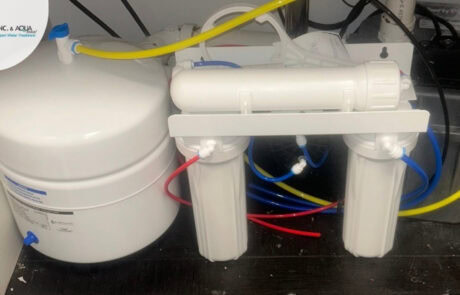
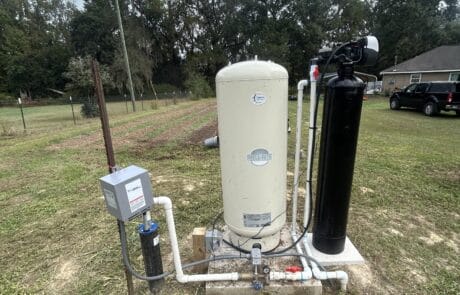
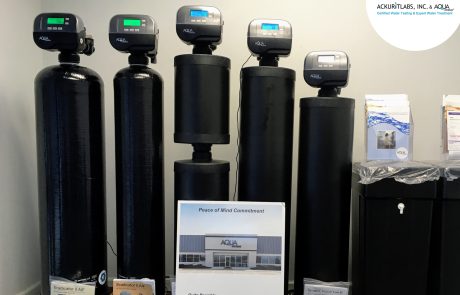
Next Steps: Treatment Follows the Test
Buying a system before testing risks paying for the wrong fix; the equipment follows the findings. Another round after a few months shows whether the equipment holds up, and filing both reports together tells the whole story.
Comparing Labs: Questions Worth Asking
A search for testing close to home turns up many listings, and listings say little about method; ask to see what the report will look like. Written proof of an approval, not a phrase on a web page, is what counts; no statement here stands in for a lab's own documents.
What to Look Over Before Ordering: Stains, Smells and Sediment
- Discolored laundry after a wash, especially on light fabrics; mention which room the stains are in.
- A smell that comes and goes with the seasons, which can point the order toward a sulfur, chlorine or organic check.
- Cloudy glasses that clear from the bottom up; note whether it began suddenly or crept up.
Putting a Plan Together: One Conversation Covers the Details
Call Ackuritlabs And Aqua Systems at 850-616-2634 to talk through a panel that suits your supply.
Putting the Pieces Together: Where to Go From Here
A strong result begins with the right panel, a careful collection and prompt delivery; whatever has brought you to read about Residential Water Testing near Gadsden County Florida, a short call sorts out where to begin. To get started, reach Ackuritlabs And Aqua Systems at 850-616-2634; the details you share shape the advice.
Verified

Verified
Verified
Verified
Verified