Looking for Water Treatment Around Gadsden County Florida?
Each piece of hardware on the market answers a particular complaint, and none answers all of them; read on for how the pieces fit together.
Contact Ackuritlabs And Aqua Systems at 850-616-2634 to ask how an installation is planned.
The Order of Operations: Why Skipping It Backfires
Taste and appearance narrow the field, though only a lab report settles it; a sample sent to a laboratory turns a guess into a figure. Even a brief description of the symptoms helps decide which measurements to order; patience at this stage tends to save money later.
Resin Tanks: How the Resin Works
The beads in a softener hold hardness minerals until they are rinsed clean; when the beads fill up, a brine rinse flushes the captured minerals to a drain. Softened supply leaves less scale on fixtures, glass and heating elements, though a softener does little for iron staining beyond a modest level.
Alternatives to the Brine Tank: an Honest Comparison
The minerals stay in the supply, but the device nudges them toward forming less scale on surfaces, though results vary with the water and the model. Expect scale to be reduced rather than eliminated, and expect no change in how soap lathers, and a good provider explains that before the purchase.
Adsorption Media: Why Cartridges Run Out
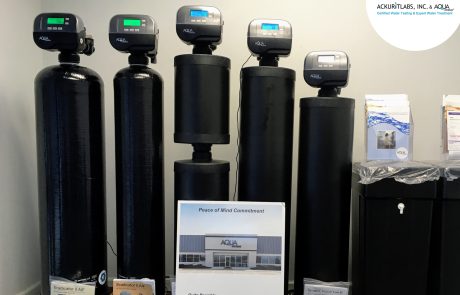
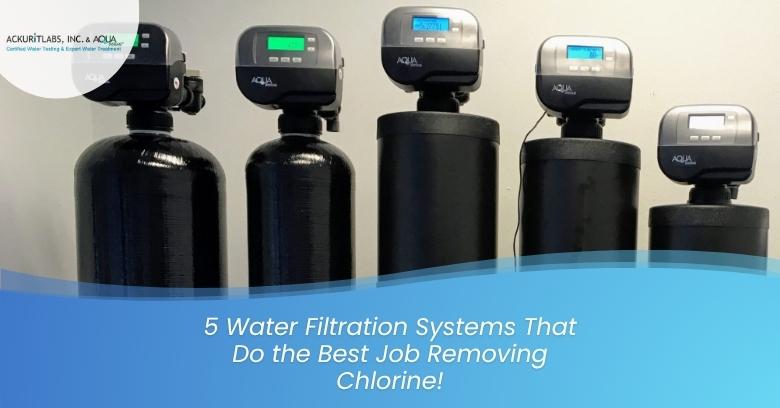
Filters based on carbon are the usual choice for chlorine taste and many household odors, and the lab or the utility report can say. A saturated filter can release what it captured, which is why change schedules matter, and the provider can estimate a schedule.
Canisters on the Line – Catching Grit Before It Travels On
Sediment cartridges screen out sand, rust flakes and silt before they reach appliances, which lets each cartridge last longer. The installer chooses which element goes first, because a clogged first stage starves the rest, and a pressure gauge on each side of the housing makes that visible.
Drinking Supply Upgrades: Fair Expectations
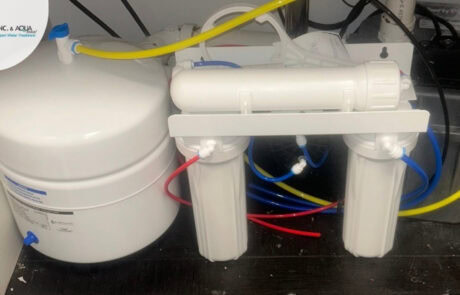
Dissolved solids stay on one side of the membrane and get flushed away, while larger units serve whole buildings. A lab test before and after is the reliable way to know what a particular system achieves, and a membrane may last for a long stretch if it is protected.
Treating Iron, Sulfur and Microbes: What the Installer Sets Up
Where a well carries iron, sulfur or microbes, injecting chlorine is a long-established approach, and the dose is set from lab readings. A backwashing filter often follows, clearing the particles the reaction produces, and the setup should be checked after the first weeks.
Where the Equipment Sits – Matching Scope to Need
Point-of-entry installations deal with problems that affect the entire plumbing system; larger tanks and brine cabinets take real room. Single-tap filters and membranes work where only drinking supply needs the extra step; a layout on paper avoids surprises.
Sizing: What Undersizing Looks Like
Ratings printed on the label describe the equipment, and the installer matches them to the building, along with the hardness or iron level on the lab report. Equipment that is too small works harder and wears out sooner; ask to see the numbers behind the recommendation.
Plumbing, Power and Drain Needs: the Checklist Behind a Clean Install
Most systems need a bypass valve so the plumbing can keep flowing during service; the walk-through before work matters. Local plumbing and electrical rules may apply, and the installer is the one to know them; a tidy install is easier to maintain.
Private Source or Public Main – Pressure Tanks and Pumps
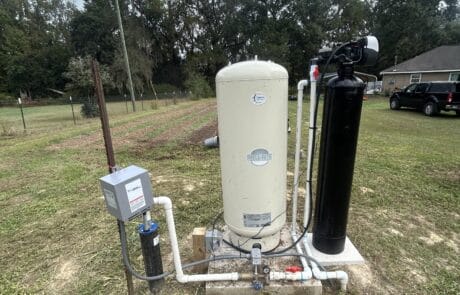
A well has no utility between it and the tap, so equipment often handles more of the load, whereas chlorine and chloramine lead the list on a city line. A carbon unit that suits a city line may be useless against the main problem of a well; mention the source on the first call.
After an Outage: Planning Before the Season
Pumps, injectors and controllers all depend on electricity, and an outage pauses every one of them, and a surge protector on the outlet is sensible protection for the electronics. Anything touched by flooding, including a well pump and chemical feed gear, deserves a professional look; keep manuals and settings notes together.
Where Everything Goes: Tanks, Hums and Cabinets
Pumps and metering equipment hum when they work, so placement matters for bedrooms and offices, and a level pad keeps tanks from shifting. A tidy installation labels valves, supports the plumbing and keeps the area dry; a tank that cannot get through a doorway is a common surprise.
Working With Existing Equipment – Keep, Repair or Replace
Inherited hardware is worth examining before anything new is added; the model number on the label usually leads to a manual and a parts list. A sediment screen or a carbon stage can often be added without replacing everything; ask for a plain list of what changes and what stays.
Commercial Systems – Coordinating With Maintenance
Boilers, cooling equipment and ice makers can be sensitive to scale, which shapes the design; the existing mechanical room often decides what fits. Staff who run the building need to know where the valves are and what each one does, and it supports any later troubleshooting.
Upkeep – Setting Reminders
Resin beads age slowly, and cartridges and pre-filters age quickly; a simple calendar reminder prevents most lapses. Noisy valves, salt bridges in the tank and slow flow are signs worth a look; do not wait for a complete failure.
Confirming the Result: Tracking Performance
Measurements taken after setup show the change in black and white; a retest a few months in shows whether the system is holding. Expect a number lower than before, not necessarily a number of zero; store copies where they can be found.
Limits to Keep in Mind: Questions for Any Seller
Each technology removes some things and leaves others, so a layered setup is common; ask how that is demonstrated. A provider unwilling to discuss limits is one to think twice about; weigh each source on how specific it is.
What to Ask at the Door: Scope, Parts and Follow-Up
- Which lab results is the proposal based on, and which items does it address; a specific answer is what you want.
- Which local rules apply to this installation, and who handles them; a walk-through at the end is reasonable to ask for.
- Which items are checked on a routine visit, and which need special tools, and what does it say about future servicing.
Talking It Through: Describe the Problem First
Contact Ackuritlabs And Aqua Systems at 850-616-2634 to find out how a system would be planned and sized.
What to Remember: Next Steps
The reliable path runs from a lab figure, through a sensible choice of equipment, to a retest that shows the change; whatever has brought you to read about Water Treatment near Gadsden County Florida, a short call sorts out where to begin. Questions are welcome at 850-616-2634, where Ackuritlabs And Aqua Systems can lay out the options, and say what you would like to change.
Verified

Verified
Verified
Verified
Verified