Thinking About Water Filtration System Around Gadsden County Florida?
Each piece of hardware on the market answers a particular complaint, and none answers all of them, and the sections below explain how the common options differ.
Contact Ackuritlabs And Aqua Systems at 850-616-2634 to ask how an installation is planned.
The Step Ahead of the Purchase – Results Decide the Hardware
Taste and appearance narrow the field, though only a lab report settles it, and the figure is what a provider uses to size and pick the unit. Where no result exists yet, a provider can often suggest what to measure, and the choice of equipment follows once the numbers arrive.
Resin Tanks: a Bed of Beads and a Brine Tank
Hardness minerals stick to a charged resin, which swaps them for sodium or potassium ions, and the stored brine is topped up with salt as needed. Softened supply leaves less scale on fixtures, glass and heating elements, and it will not change the taste of the supply on its own.
Alternatives to the Brine Tank: What They Do and Do Not Do
Conditioners leave the hardness figure unchanged and change the shape of the crystals that form, and maintenance is limited to replacing the media on a schedule. A conditioner will not give the slick feel that a softened supply has in the shower, and a good provider explains that before the purchase.
Carbon Filtration: Matching Carbon to the Target
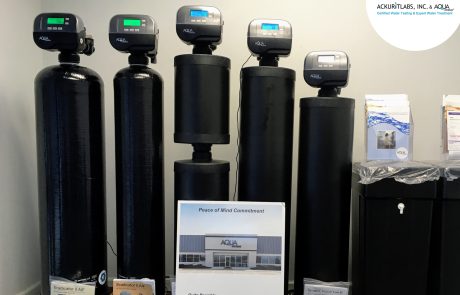
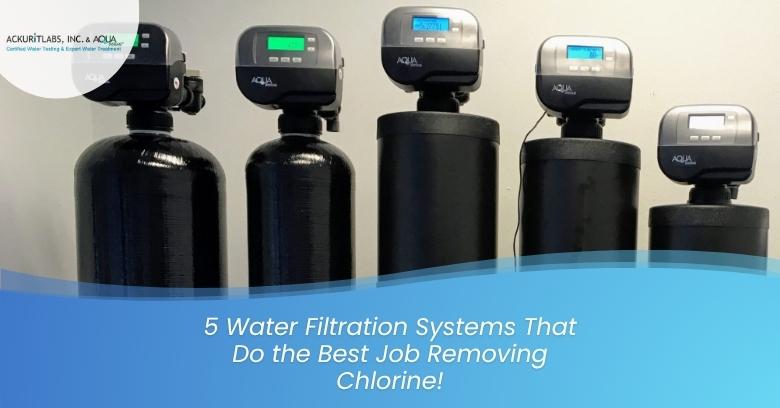
A carbon bed or block is the common answer when a city supply tastes or smells of disinfectant, and ordinary carbon handles free chlorine more easily than chloramine. Capacity depends on how much is in the supply and how much a household uses, and the maker's change interval is a guide, not a promise.
Canisters on the Line: Keeping Spare Elements
Sediment cartridges screen out sand, rust flakes and silt before they reach appliances, and a smaller rating catches finer particles but clogs sooner. The installer chooses which element goes first, because a clogged first stage starves the rest; keep a spare cartridge on a shelf.
The Under-Sink Purifier: Fair Expectations
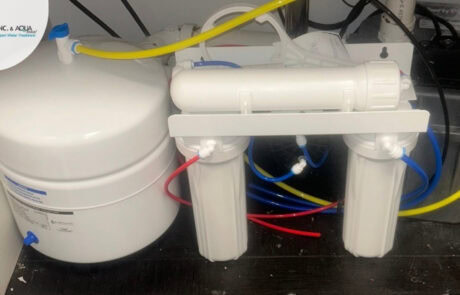
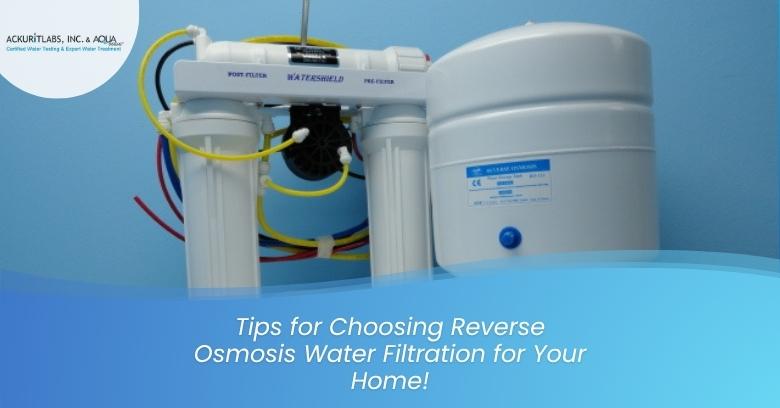
A small pump or the line pressure drives the flow through a membrane with extremely fine pores; most home units sit under a sink and serve one tap. Some units add minerals back after the membrane to adjust taste, and a membrane may last for a long stretch if it is protected.
Oxidation Systems – Time, Dose and Cleanup
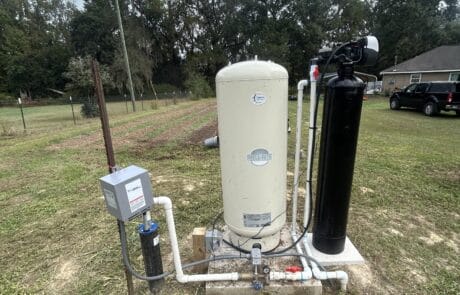
The setup pairs a feed pump with a retention tank so the chlorine has time to work; the tank is sized to the flow of the well. Residual chlorine has to be removed afterward, and a carbon filter normally takes that job; a wrong dose helps nobody.
Point of Entry Versus Point of Use: What Each Layout Covers
Point-of-entry installations deal with problems that affect the entire plumbing system; a garage or utility closet often becomes the home. A point-of-use unit serves a single faucet, usually the kitchen, and suits drinking and cooking, and it shows which walls and lines are involved.
Sizing – Pressure Drop and Pace
Equipment is rated by how fast supply can pass through it and by how much it can treat before servicing; high readings use up capacity faster. An undersized system forces flow past the media too fast, which weakens the result, and a vague one deserves a follow-up question.
Installation Details: the Checklist Behind a Clean Install
A bypass lets the household isolate a unit without shutting off the whole supply; the walk-through before work matters. Codes affect drain connections, backflow protection and the placement of equipment, and access for servicing should be planned from the start.
Wells Versus City Lines: Chlorine Added or Not
City lines usually deliver a steady, disinfected supply, so the complaints tend to be taste and scale; wells also bring a pump and a pressure tank into the plan. A carbon unit that suits a city line may be useless against the main problem of a well; mention the source on the first call.
When the Lights Go Out – Resetting the Clock and the Valve
Electronic valves keep time with the power, so a clock that resets can trigger recharges at odd hours; checking the time and the settings after power returns takes a minute. Silt in a housing, a wet motor or a corroded joint can turn a repair into a replacement, and the provider can describe what a post-storm check involves.
Where Everything Goes: Garages, Closets and Mechanical Rooms
Compressors and pumps are the noisiest parts of larger systems, and they normally sit in a mechanical space, and the location is chosen to keep lines short and service easy. Equipment is easiest to live with when the controls and the drain sit where a person can reach them; measure doors and hallways as well.
Working With Existing Equipment: Planning a Sensible Sequence
Inherited hardware is worth examining before anything new is added, and the readings guide whether to repair, keep or replace. Adding a stage to an existing setup requires attention to order, flow rate and pressure drop, and the installer should explain what is being kept.
Larger Buildings and Heavier Demand: Duplex Tanks and Bigger Flows
Larger buildings may need several tanks and manifolds, not one household unit; the existing mechanical room often decides what fits. Staff who run the building need to know where the valves are and what each one does; ask what monitoring the equipment offers.
Routine Care: What Gets Neglected
Resin beads age slowly, and cartridges and pre-filters age quickly; a label on each housing with the install date helps. Bad smells from a filter housing mean it has gone too long; do not wait for a complete failure.
Verifying What Changed – Numbers, Not Impressions
A sample collected after the system is running shows whether the problem was solved; a retest a few months in shows whether the system is holding. Treatment can reduce certain items without eliminating them, and the report shows by how much; dates on everything keep the record clear.
Honest Limits: Questions for Any Seller
Each technology removes some things and leaves others, so a layered setup is common; ask for the specific substances a product addresses. A provider unwilling to discuss limits is one to think twice about; clear explanations are the best sign.
Questions for a Provider: Points Worth Raising
- Which readings on the report are meant to change, and which are not expected to; vague answers deserve a follow-up.
- Where will the drain, the power and the bypass go, and what will be cut or moved; get the details itemized.
- How will you know the equipment is working a few months from now; ask about it before work starts.
A Call Before a Purchase – One Call Sorts Out Next Steps
Dial Ackuritlabs And Aqua Systems at 850-616-2634 to go over the lab report and the symptoms at your tap.
The Short Version: Matching Hardware to the Finding
Every lasting installation rests on a clear diagnosis, a suitable size and regular care; this page on Water Filtration System in Gadsden County Florida is a starting point, and the details of each property decide the rest. Questions are welcome at 850-616-2634, where Ackuritlabs And Aqua Systems can lay out the options, and share what the lab report shows.
Verified

Verified
Verified
Verified
Verified