Looking for Water Filtration in Greensboro Florida?
Equipment gets chosen to fix a measured problem, and the fix is only as good as the diagnosis behind it; read on for how the pieces fit together.
Speak with Ackuritlabs And Aqua Systems at 850-616-2634 and describe the stains, scale or smells you want gone.
Diagnosis First: Naming the Target
Taste and appearance narrow the field, though only a lab report settles it; a sample sent to a laboratory turns a guess into a figure. Even a brief description of the symptoms helps decide which measurements to order; patience at this stage tends to save money later.
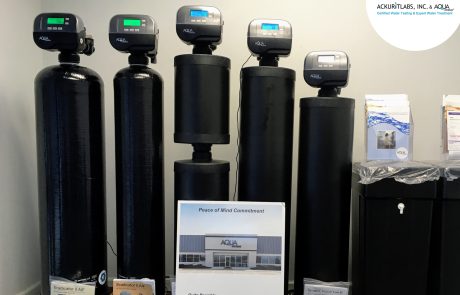
Resin Tanks: How the Resin Works
A conventional softener passes the supply through a bed of resin beads that grab calcium and magnesium, and a salt or potassium brine recharges the bed on a schedule. Where a softener is sized correctly, white crust becomes much less of a chore, and it will not change the taste of the supply on its own.
Scale Control Without Salt: No Drain, No Salt, Different Results
Nothing is exchanged, so the lab number for hardness reads the same before and after, which suits some households and some local rules. The results are described best as less crust, not no crust, and it helps compare options fairly.
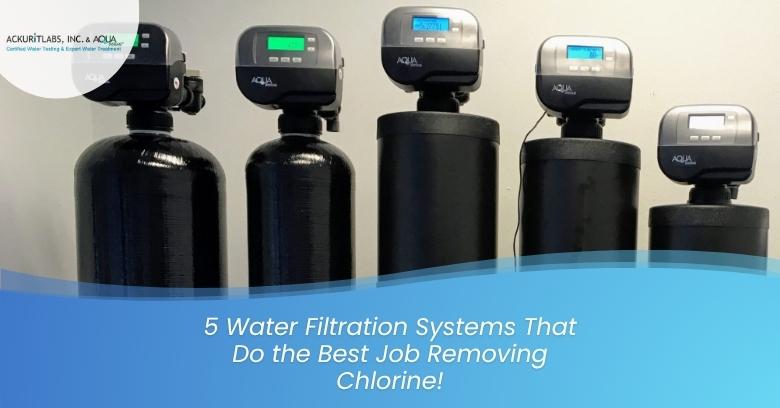
Taste and Odor Control: Why Cartridges Run Out
Porous carbon traps many organic molecules and chlorine on its surfaces as flow moves across them, and the lab or the utility report can say. Capacity depends on how much is in the supply and how much a household uses; keeping a date on the housing is a good habit.
The Filter Under the Cap: Keeping Spare Elements
A housing on the line holds a cartridge that screens out particles above a chosen size, which lets each cartridge last longer. A carbon cartridge installed in the same housing style handles taste while the sediment unit handles grit; a wrench for the housing is a worthwhile purchase.
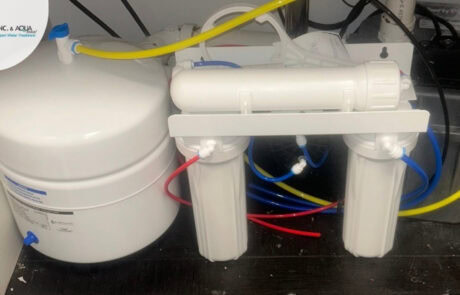
Reverse Osmosis: Where It Sits and What It Wastes
Dissolved solids stay on one side of the membrane and get flushed away; compact units fit under a sink and serve a single tap. A lab test before and after is the reliable way to know what a particular system achieves, and the reject volume is worth asking about.
Treating Iron, Sulfur and Microbes – Time, Dose and Cleanup
A chlorine injector meters a small amount of disinfectant into the line ahead of a holding tank; time in the tank is what makes the reaction complete. The final stage polishes taste and removes what remains of the disinfectant; a wrong dose helps nobody.
Scope of a System: Planning the Pipe Run
Whole-house layouts put one set of equipment ahead of every fixture, and the machinery needs floor space near the main shutoff. A point-of-use unit serves a single faucet, usually the kitchen, and suits drinking and cooking; ask for a simple diagram of the plan.
Flow Rate and Capacity: Gallons per Minute and Grains
A unit has two numbers that matter: a peak flow rating and a capacity between cleanings; the number of bathrooms and people is part of the calculation. A well-matched system suits the building rather than the biggest model on offer; ask to see the numbers behind the recommendation.
Installation Details – Codes and Neighbors
Most systems need a bypass valve so the plumbing can keep flowing during service, and electrical needs vary from a plug-in transformer to a dedicated circuit. Whoever does the installation should be able to say what the local rules ask for, and clear labels on valves help the next person.
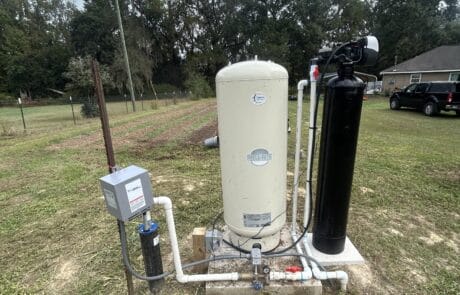
Supply Source Matters – Pressure Tanks and Pumps
Private wells deliver untreated groundwater, which can carry iron, sulfur, hardness and microbes, whereas chlorine and chloramine lead the list on a city line. A carbon unit that suits a city line may be useless against the main problem of a well; mention the source on the first call.
Weather and the Equipment Room – Protecting Gear From Surge and Silt
Many controllers keep their program in memory for a short while, and then need to be set again, and the manual shows how to reset the controller. Silt in a housing, a wet motor or a corroded joint can turn a repair into a replacement; photographs taken before the season make later comparisons easier.
Practical Details Homeowners Ask About: Keeping the Area Tidy
Compressors and pumps are the noisiest parts of larger systems, and they normally sit in a mechanical space; clear floor space around a tank makes salt loading simple. Equipment is easiest to live with when the controls and the drain sit where a person can reach them, and the provider should ask about access.
Inherited Hardware – Keep, Repair or Replace
Inherited hardware is worth examining before anything new is added, which helps weigh a repair against a new unit. Adding a stage to an existing setup requires attention to order, flow rate and pressure drop, and the installer should explain what is being kept.
Equipment for Operations: Written Specifications
Boilers, cooling equipment and ice makers can be sensitive to scale, which shapes the design, and a controller can log regeneration cycles. Staff who run the building need to know where the valves are and what each one does; a log of salt, media and filter changes helps.
Routine Care: What Gets Neglected
Filters eventually clog, and carbon eventually saturates, so each has a replacement interval; a simple calendar reminder prevents most lapses. If stains come back, or the taste creeps back, something in the chain has used up its capacity; do not wait for a complete failure.
Verifying What Changed: Before and After Side by Side
The most reliable verification is a fresh panel run on the same items as before, and the lab can run the identical methods again. Some substances respond well and others hardly at all, which the new figures reveal; the file is useful for a future sale.
Honest Limits: Misuse and Misfit
Equipment performs within limits set by its design, the supply and the upkeep; ask for the specific substances a product addresses. A fair provider will tell you when equipment is not the fix, or not the whole fix, and the same standard applies to anything written on this page.
A Short Interview: Scope, Parts and Follow-Up
- Is the recommended size tied to the lab figures and the household's flow, and what stays the same afterward.
- What parts and consumables are needed, and how often do they need replacing; clear scope prevents surprises.
- What does a retest look like, and when is it scheduled; ask about it before work starts.
Talking It Through: Describe the Problem First
Contact Ackuritlabs And Aqua Systems at 850-616-2634 to ask what a sensible first step would be for your supply.
In Plain Terms – the Sequence That Works
A dependable setup follows a sequence: measure the supply, pick equipment to suit, install it carefully and test again, and for Water Filtration in Greensboro Florida the first step is a conversation about the supply and the symptoms. To get started, reach Ackuritlabs And Aqua Systems at 850-616-2634, and share what the lab report shows.
Verified

Verified
Verified
Verified
Verified