Weighing Options for Commercial Water Filtration for a Property in Greenville Florida?
A treatment system is a tool for one job, so the job has to be named before the tool is picked; read on for how the pieces fit together.
Phone Ackuritlabs And Aqua Systems at 850-616-2634 and say whether the supply is a well or a city line.
Before Any Equipment: Why Skipping It Backfires
Equipment bought off a shelf may handle a different problem than the one at the tap, which keeps the proposal tied to evidence. Even a brief description of the symptoms helps decide which measurements to order; the equipment decision waits until the numbers are in.
Ion Exchange: How the Resin Works
The core of a standard softener is a resin bed that exchanges hardness minerals for a softer ion; a control valve decides when to regenerate by clock or by usage. Scale buildup on heaters, kettles and shower heads slows down where hardness has been removed; it is not meant to filter out bacteria or chemicals.
Conditioning Instead of Softening – Changing How Scale Forms
The minerals stay in the supply, but the device nudges them toward forming less scale on surfaces; people choose these devices to avoid salt, brine discharge and a drain connection. A conditioner will not give the slick feel that a softened supply has in the shower; being clear on this point prevents disputes later.
Carbon Filtration: Chlorine, Odors and Organic Traces
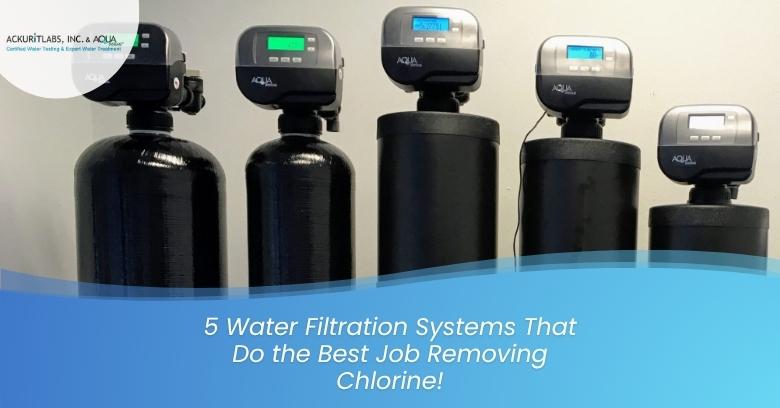
Filters based on carbon are the usual choice for chlorine taste and many household odors, and ordinary carbon handles free chlorine more easily than chloramine. A saturated filter can release what it captured, which is why change schedules matter; a taste that creeps back is the usual reminder.
Housings and Replaceable Elements: Keeping Spare Elements
Sediment cartridges screen out sand, rust flakes and silt before they reach appliances; a series of coarse then fine elements spreads the load. The installer chooses which element goes first, because a clogged first stage starves the rest; keep a spare cartridge on a shelf.
Reverse Osmosis – Dissolved Solids Reduced
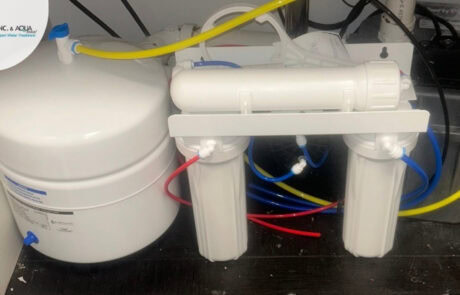
A membrane passes the liquid and rejects a large share of dissolved salts and other solids; compact units fit under a sink and serve a single tap. Reverse osmosis units reduce many dissolved substances, though performance varies by model and by supply, and the reject volume is worth asking about.
Treating Iron, Sulfur and Microbes: Why Dose Control Matters
Where a well carries iron, sulfur or microbes, injecting chlorine is a long-established approach, and it also acts on bacteria in the supply. Where the supply is meant for drinking, the leftover chlorine is filtered off; dosing is not a do-it-yourself guess.
Whole-House or Single-Tap – One Tap, One Sink, One Appliance
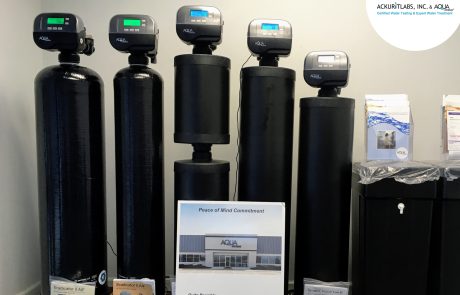
Point-of-entry installations deal with problems that affect the entire plumbing system; larger tanks and brine cabinets take real room. Where only one fixture matters, a compact installation avoids treating the whole house, and it shows which walls and lines are involved.
Matching the Unit to the House: Room to Grow
Treating the household's peak demand, not its average, keeps pressure from dropping; high readings use up capacity faster. Equipment that is too small works harder and wears out sooner, and an installer should explain why a particular size was chosen.
Practical Requirements: Bypass Valves, Drains and Outlets
Good installations include a way to route flow around the unit when needed; chlorine feed pumps and contact tanks add their own requirements. Codes affect drain connections, backflow protection and the placement of equipment, and access for servicing should be planned from the start.
Wells Versus City Lines: Planning Around the Source
Raw well supply brings the chemistry of the ground straight to the plumbing, and equipment has to work with the pump's pressure and flow. Equipment picked from a neighbor's experience may not suit a different source; mention the source on the first call.
Storms and Power Interruptions – Resetting the Clock and the Valve
Softeners and filters with electronic controllers can lose their settings in a long outage unless a backup battery holds them, since a stuck valve is easier to catch early. Silt in a housing, a wet motor or a corroded joint can turn a repair into a replacement; write down the shutoff locations.
Noise, Space and Appearance: Keeping the Area Tidy
Noise from a unit tends to come from the drain line and the valve rather than the tanks; clear floor space around a tank makes salt loading simple. A tidy installation labels valves, supports the plumbing and keeps the area dry, and the installer can suggest a layout.
Replacement and Add-Ons – Reading Old Labels
Inherited hardware is worth examining before anything new is added, and the readings guide whether to repair, keep or replace. The simplest upgrade is often a fresh set of cartridges or media, not a new system, and old manuals are worth saving.
Equipment for Operations: Boilers, Ice Machines and Kitchens
Larger buildings may need several tanks and manifolds, not one household unit; a duplex arrangement keeps soft supply flowing through each recharge. Training the people on site about shutoffs and alarms prevents small problems from growing, and the provider can supply those if asked.
Service Schedule – Small Tasks That Protect Big Parts
Resin beads age slowly, and cartridges and pre-filters age quickly; adjust to what the supply actually does. Warning signs include a return of the old taste, scale reappearing and a drop in pressure; do not wait for a complete failure.
Proof After Installation: Tracking Performance
Nothing beats a repeat panel for showing whether the readings moved, which matters for cartridges and media that wear. Some substances respond well and others hardly at all, which the new figures reveal; a short note on the equipment installed completes the record.
Expectations Worth Setting: Questions for Any Seller
Each technology removes some things and leaves others, so a layered setup is common; compare the data sheet with your lab report. If a proposal does not mention the lab results, ask how it was reached; weigh each source on how specific it is.
A Short Interview – Written Answers Preferred
- Does the plan name the substances it targets, rather than speaking in general terms; vague answers deserve a follow-up.
- How is the unit set up at the start, and what will you be shown before the crew leaves; a walk-through at the end is reasonable to ask for.
- What does a retest look like, and when is it scheduled; write the answers down.
Start the Conversation: Questions Are the Starting Point
Phone Ackuritlabs And Aqua Systems at 850-616-2634 and ask what to collect before any equipment is chosen.
The Short Version: Next Steps
The reliable path runs from a lab figure, through a sensible choice of equipment, to a retest that shows the change, because each property in Greenville Florida has its own story, whatever any page says about Commercial Water Filtration. You can speak with Ackuritlabs And Aqua Systems at 850-616-2634 about your plumbing and your goals; mention whether the supply is a well or a utility line.
Verified

Verified
Verified
Verified
Verified