Thinking About Residential Water Softener Installation in Gretna Florida?
Good installations start from a lab result and work toward a device that suits it; the sections below put the options in plain language.
Contact Ackuritlabs And Aqua Systems at 850-616-2634 to ask how an installation is planned.
The Order of Operations – Results Decide the Hardware
Taste and appearance narrow the field, though only a lab report settles it; most reputable providers ask for results before quoting a system. A first conversation commonly ends with advice on what to sample before the next step; skipping ahead is where most mismatches begin.
Resin Tanks – Swapping Minerals for Sodium or Potassium
The core of a standard softener is a resin bed that exchanges hardness minerals for a softer ion, and a salt or potassium brine recharges the bed on a schedule. Less mineral reaching the pipes also means less deposit inside them, though a softener does little for iron staining beyond a modest level.
Template-Assisted Units: What They Do and Do Not Do
Conditioners leave the hardness figure unchanged and change the shape of the crystals that form; they need no electricity in many designs. Expect scale to be reduced rather than eliminated, and expect no change in how soap lathers; being clear on this point prevents disputes later.
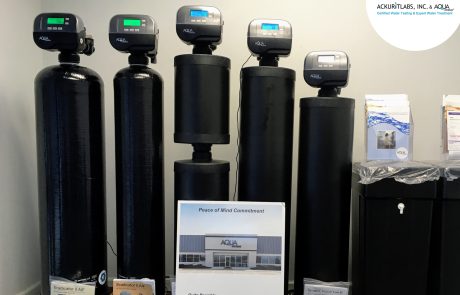
Taste and Odor Control – Granular Beds and Blocks
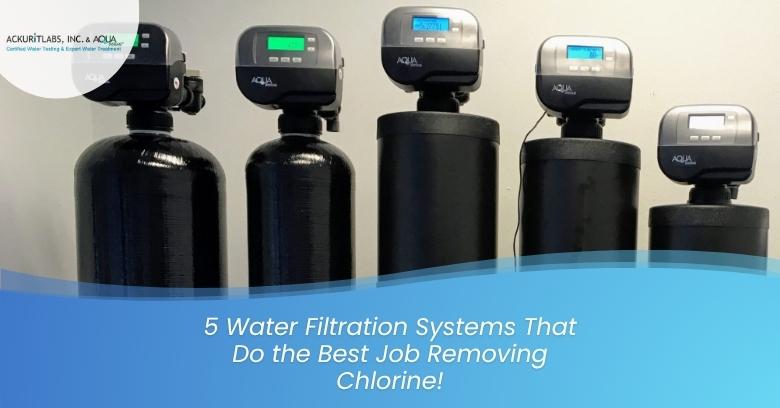
Filters based on carbon are the usual choice for chlorine taste and many household odors, and the lab or the utility report can say. Contact time and flow rate affect results, and a unit pushed too hard performs worse; a pre-filter often extends the life of the carbon.
The Filter Under the Cap: Reading the Micron Number
The simplest way to protect a pump, a softener or a fixture is usually a sediment screen ahead of it, and the sequence is part of the design. Pressure falls as an element loads up, which is the practical signal to swap it; keep a spare cartridge on a shelf.
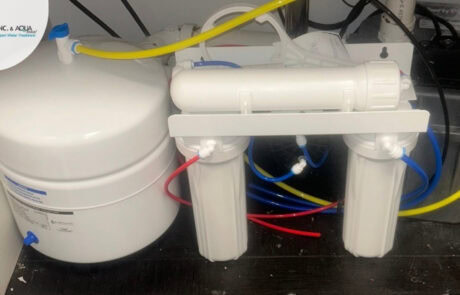
Reverse Osmosis – Storage Tank, Faucet and Drain
Dissolved solids stay on one side of the membrane and get flushed away; most home units sit under a sink and serve one tap. The reduction achieved depends on membrane condition, pressure and what is in the feed; the provider can explain what to expect for your supply.
Injectors and Contact Tanks – Time, Dose and Cleanup
Where a well carries iron, sulfur or microbes, injecting chlorine is a long-established approach; the chlorine oxidizes iron and sulfide into forms that can be filtered out. Where the supply is meant for drinking, the leftover chlorine is filtered off; dosing is not a do-it-yourself guess.
Point of Entry Versus Point of Use – One Tap, One Sink, One Appliance
Equipment where the supply enters the building protects all the plumbing downstream, and the machinery needs floor space near the main shutoff. Smaller units at one sink target what people drink, leaving the rest of the plumbing alone; the provider can sketch where each unit would go.
Peak Demand Math: Gallons per Minute and Grains
The size of the housing and the volume of media set how much a system can handle; the number of bathrooms and people is part of the calculation. Equipment that is too small works harder and wears out sooner, and a vague one deserves a follow-up question.
Installation Details: the Checklist Behind a Clean Install
Shutoffs on both sides of a unit make servicing simple, and electrical needs vary from a plug-in transformer to a dedicated circuit. Local plumbing and electrical rules may apply, and the installer is the one to know them, and clear labels on valves help the next person.
What Changes by Source: Planning Around the Source
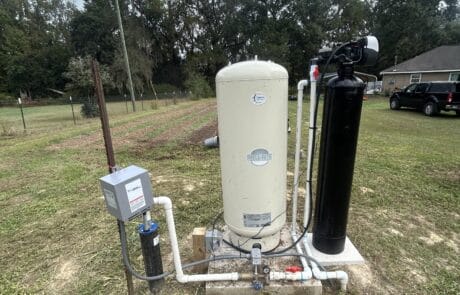
Raw well supply brings the chemistry of the ground straight to the plumbing, and equipment has to work with the pump's pressure and flow. A carbon unit that suits a city line may be useless against the main problem of a well; photos of the existing equipment help.
Hurricane-Season Readiness: Controllers, Pumps and Flooding
A unit left without power may skip a scheduled recharge, which leaves the media tired when flow resumes, and the manual shows how to reset the controller. Equipment that sat in floodwater needs inspection before it goes back into service; photographs taken before the season make later comparisons easier.
Day-to-Day Presence – Placement Decisions That Last
Most residential units are quiet, and the sounds they make are short bursts when a valve cycles or a recharge runs; clear floor space around a tank makes salt loading simple. Leaving room to open lids, change cartridges and read gauges makes upkeep a quick job; measure doors and hallways as well.
Replacement and Add-Ons: Test Before Deciding
Many properties already have a tank, a filter housing or an under-sink unit, and the question is whether it still suits the supply, and the readings guide whether to repair, keep or replace. Adding a stage to an existing setup requires attention to order, flow rate and pressure drop, and old manuals are worth saving.
Commercial Systems: Duplex Tanks and Bigger Flows
Business equipment is sized for higher flows and often arranged in pairs so one tank can work while the other recharges; the survey of the site comes first. Staff who run the building need to know where the valves are and what each one does; a log of salt, media and filter changes helps.
Routine Care: Salt, Cartridges and Media
Treatment is not a one-time purchase, since something wears out or runs low on every system; adjust to what the supply actually does. Warning signs include a return of the old taste, scale reappearing and a drop in pressure; an annual look at the controls is sensible.
Closing the Loop: Before and After Side by Side
Nothing beats a repeat panel for showing whether the readings moved; collecting at the same tap, in the same way, keeps the comparison fair. If a reading is still high, the report guides the next adjustment; the file is useful for a future sale.
Honest Limits – Read the Fine Print
Marketing language tends to be broader than what a product actually does; ask how that is demonstrated. Anyone selling treatment equipment should be able to explain what it reduces and what it leaves alone, and the same standard applies to anything written on this page.
Comparing Proposals: Scope, Parts and Follow-Up
- Which lab results is the proposal based on, and which items does it address, and what stays the same afterward.
- How is the unit set up at the start, and what will you be shown before the crew leaves; ask for a copy of the manuals too.
- Which items are checked on a routine visit, and which need special tools; ask about it before work starts.
Getting Advice – Share Your Lab Report
Phone Ackuritlabs And Aqua Systems at 850-616-2634 to ask what a sensible first step would be for your supply.
Bringing It Together: Next Steps
The reliable path runs from a lab figure, through a sensible choice of equipment, to a retest that shows the change; this page on Residential Water Softener Installation in Gretna Florida is a starting point, and the details of each property decide the rest. To get started, reach Ackuritlabs And Aqua Systems at 850-616-2634; the call goes quickly.
Verified

Verified
Verified
Verified
Verified