Weighing Options for Whole House Water Filtration Installation Throughout Gretna Florida?
Equipment gets chosen to fix a measured problem, and the fix is only as good as the diagnosis behind it; read on for how the pieces fit together.
Call Ackuritlabs And Aqua Systems at 850-616-2634 and say whether the supply is a well or a city line.
The Step Ahead of the Purchase: a Lab Number Beats a Guess
Taste and appearance narrow the field, though only a lab report settles it; a sample sent to a laboratory turns a guess into a figure. If the history of the supply is unknown, a baseline panel is the sensible opener; patience at this stage tends to save money later.
Resin Tanks: a Bed of Beads and a Brine Tank
A conventional softener passes the supply through a bed of resin beads that grab calcium and magnesium, and the stored brine is topped up with salt as needed. Laundry and dishes tend to come out cleaner where the minerals have been removed; the lab result still decides what else belongs in the plan.
Scale Control Without Salt – Setting Expectations
Nothing is exchanged, so the lab number for hardness reads the same before and after, and maintenance is limited to replacing the media on a schedule. The results are described best as less crust, not no crust; ask what the device will not do.
Taste and Odor Control: Chlorine, Odors and Organic Traces
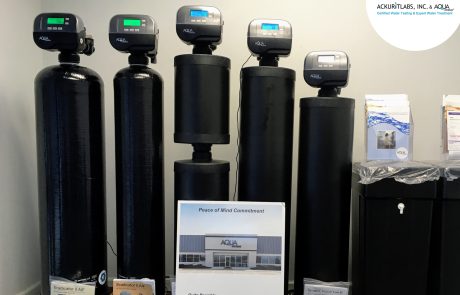
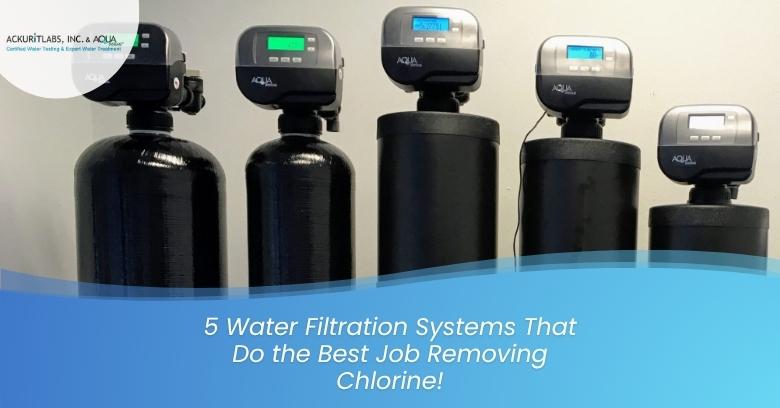
Carbon holds onto certain compounds as supply passes through, which cuts chlorine taste and some odors; each type of carbon targets specific compounds, so the media is picked to suit the finding. Capacity depends on how much is in the supply and how much a household uses, and the provider can estimate a schedule.
Cartridges and Sediment Filters: Reading the Micron Number
Particle filters are the first stage in many systems, catching whatever would clog the rest; a series of coarse then fine elements spreads the load. A carbon cartridge installed in the same housing style handles taste while the sediment unit handles grit, and a pressure gauge on each side of the housing makes that visible.
High-Pressure Polishing – Storage Tank, Faucet and Drain
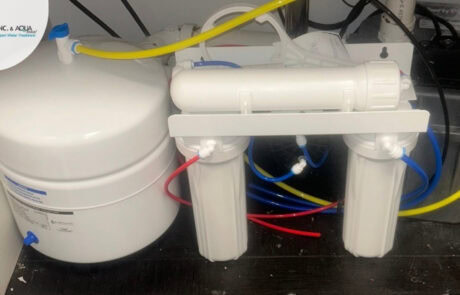
The membrane is the center of the system, flanked by pre-filters and a final carbon stage; compact units fit under a sink and serve a single tap. Pre-filters protect the membrane, and replacing them on time protects the system; the provider can explain what to expect for your supply.
Chlorination: What the Installer Sets Up
A pump, a tank and a backwashing filter form the heart of a chlorination setup; time in the tank is what makes the reaction complete. Residual chlorine has to be removed afterward, and a carbon filter normally takes that job; chemicals are stored and handled according to the label.
Point of Entry Versus Point of Use – One Tap, One Sink, One Appliance
Point-of-entry installations deal with problems that affect the entire plumbing system; a garage or utility closet often becomes the home. Single-tap filters and membranes work where only drinking supply needs the extra step, and the two approaches work well together.
Choosing a Capacity – People, Fixtures and Usage
Equipment is rated by how fast supply can pass through it and by how much it can treat before servicing; high readings use up capacity faster. An undersized system forces flow past the media too fast, which weakens the result, and a vague one deserves a follow-up question.
What the Job Requires – Codes and Neighbors
Most systems need a bypass valve so the plumbing can keep flowing during service; the walk-through before work matters. Local plumbing and electrical rules may apply, and the installer is the one to know them; leave room to open the tank lid and swap a cartridge.
Private Source or Public Main: Chlorine Added or Not
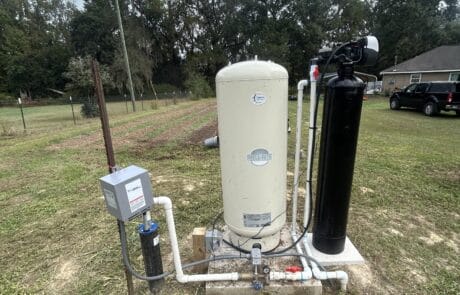
A well has no utility between it and the tap, so equipment often handles more of the load; wells also bring a pump and a pressure tank into the plan. Because the two sources differ, the same product can be a great fit on one and wasted on the other; neighbors on the same aquifer can still differ.
When the Lights Go Out: What to Check Afterward
A unit left without power may skip a scheduled recharge, which leaves the media tired when flow resumes; a quick look at the salt level and the drain line completes the check. Silt in a housing, a wet motor or a corroded joint can turn a repair into a replacement; write down the shutoff locations.
Practical Details Homeowners Ask About: Keeping the Area Tidy
Most residential units are quiet, and the sounds they make are short bursts when a valve cycles or a recharge runs, which is worth thinking through before delivery. Sunlight can damage clear housings and warm the supply, so shade is sensible outdoors; measure doors and hallways as well.
Working With Existing Equipment – Keep, Repair or Replace
Many properties already have a tank, a filter housing or an under-sink unit, and the question is whether it still suits the supply, and the provider can often read the date code. A sediment screen or a carbon stage can often be added without replacing everything; photographs of the current setup speed up the first conversation.
Commercial Systems: Duplex Tanks and Bigger Flows
Commercial installations are usually specified on paper, with flow rates and targets spelled out; a duplex arrangement keeps soft supply flowing through each recharge. A property manager benefits from a maintenance plan that lists tasks, intervals and who does them, and the provider can supply those if asked.
Upkeep: Salt, Cartridges and Media
Filters eventually clog, and carbon eventually saturates, so each has a replacement interval; the manual lists intervals, though a heavy load shortens them. Any change from how the system used to behave is the cue to check it; do not wait for a complete failure.
Proof After Installation – Numbers, Not Impressions
Comparing a new lab report against the original is how a household confirms the hardware did its job; schedule it when the system goes in. A result that falls short is information, and it points to what to add or change; dates on everything keep the record clear.
What Equipment Cannot Do: Misuse and Misfit
A softener will not make a supply taste different, and a carbon filter will not soften it; ask for the specific substances a product addresses. A provider unwilling to discuss limits is one to think twice about; nothing here replaces advice for your property.
What to Ask at the Door: Points Worth Raising
- Does the plan name the substances it targets, rather than speaking in general terms, and the proposal should say so on paper.
- Where will the drain, the power and the bypass go, and what will be cut or moved; ask for a copy of the manuals too.
- How will you know the equipment is working a few months from now; ask about it before work starts.
Talking It Through – One Call Sorts Out Next Steps
Speak with Ackuritlabs And Aqua Systems at 850-616-2634 to go over the lab report and the symptoms at your tap.
Bringing It Together: Next Steps
Matching a device to a lab result, sizing it to the building and keeping up with upkeep is the whole recipe, and everything above about Whole House Water Filtration Installation in Gretna Florida is general background, not a verdict. Questions are welcome at 850-616-2634, where Ackuritlabs And Aqua Systems can lay out the options, and say what you would like to change.
Verified

Verified
Verified
Verified
Verified