Thinking About Water Filtration for a Property in Havana Florida?
Good installations start from a lab result and work toward a device that suits it, and the sections below cover sizing, setup and upkeep.
Contact Ackuritlabs And Aqua Systems at 850-616-2634 to talk through what the tap has been doing.
Diagnosis First – Results Decide the Hardware
A smell, a stain or a taste is a symptom, and the symptom alone rarely identifies the cure; a sample sent to a laboratory turns a guess into a figure. Anyone without a recent report can usually be pointed to a suitable panel first, and a short delay beats replacing the wrong unit.
Ion Exchange: How the Resin Works
Hardness minerals stick to a charged resin, which swaps them for sodium or potassium ions, and the stored brine is topped up with salt as needed. Laundry and dishes tend to come out cleaner where the minerals have been removed; other equipment handles those jobs.
Conditioning Instead of Softening: an Honest Comparison
The minerals stay in the supply, but the device nudges them toward forming less scale on surfaces, and maintenance is limited to replacing the media on a schedule. Because the minerals remain, soap and shampoo behave as they would on hard supply; being clear on this point prevents disputes later.
The Charcoal Option: Why Cartridges Run Out
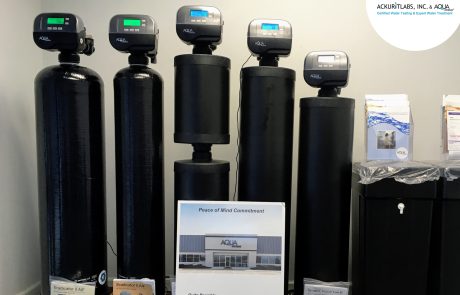
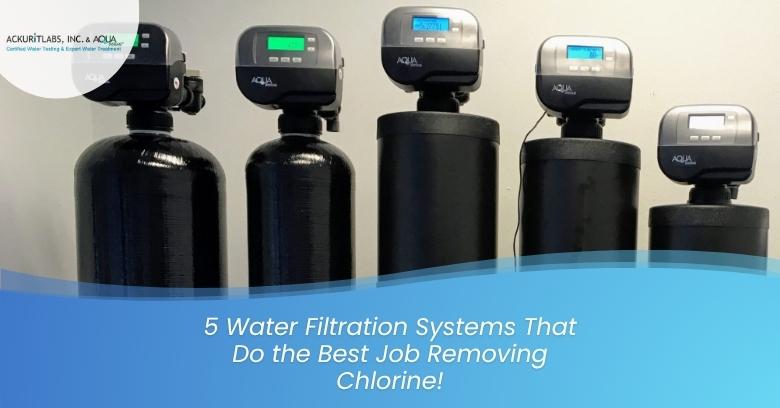
Porous carbon traps many organic molecules and chlorine on its surfaces as flow moves across them; each type of carbon targets specific compounds, so the media is picked to suit the finding. Every carbon filter eventually fills up, so replacement or backwashing is part of owning one; a pre-filter often extends the life of the carbon.
Spun, Pleated and Wound Media: Keeping Spare Elements
Grit and flakes get stopped by a pleated or wound element sitting in a clear or opaque canister, and the sequence is part of the design. A carbon cartridge installed in the same housing style handles taste while the sediment unit handles grit; keep a spare cartridge on a shelf.
Drinking Supply Upgrades: Where It Sits and What It Wastes
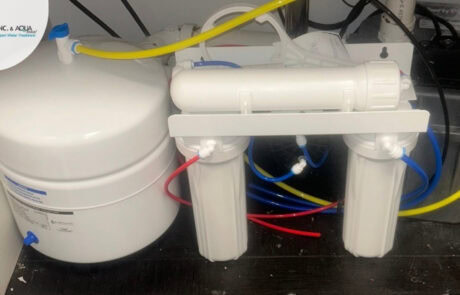
The membrane is the center of the system, flanked by pre-filters and a final carbon stage, while larger units serve whole buildings. Pre-filters protect the membrane, and replacing them on time protects the system; ask for the maintenance schedule in writing.
Feeding Chlorine Into the Line: a Metering Pump and a Retention Tank
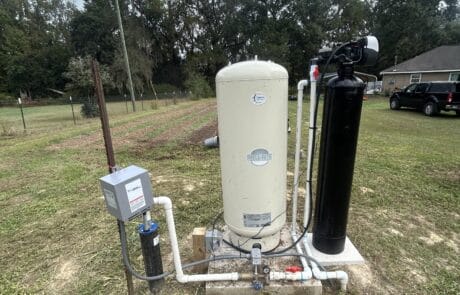
A pump, a tank and a backwashing filter form the heart of a chlorination setup; time in the tank is what makes the reaction complete. The final stage polishes taste and removes what remains of the disinfectant, and the setup should be checked after the first weeks.
Whole-House or Single-Tap: What Each Layout Covers
Whole-house layouts put one set of equipment ahead of every fixture; scale, iron and chlorine are the usual reasons to go this route. Many households combine both: a main-line device for scale and a sink model for taste; ask for a simple diagram of the plan.
Peak Demand Math: Room to Grow
Equipment is rated by how fast supply can pass through it and by how much it can treat before servicing; the number of bathrooms and people is part of the calculation. A well-matched system suits the building rather than the biggest model on offer, and an installer should explain why a particular size was chosen.
Space and Connections: the Checklist Behind a Clean Install
Most systems need a bypass valve so the plumbing can keep flowing during service; the installer plans the route up front. Codes affect drain connections, backflow protection and the placement of equipment; measure before ordering.
Supply Source Matters – Pressure Tanks and Pumps
City lines usually deliver a steady, disinfected supply, so the complaints tend to be taste and scale; wells also bring a pump and a pressure tank into the plan. A quick description of the plumbing path is enough to start the right conversation; each property gets its own plan.
Weather and the Equipment Room: Controllers, Pumps and Flooding
Many controllers keep their program in memory for a short while, and then need to be set again; checking the time and the settings after power returns takes a minute. If floodwater covered the wellhead, the supply itself needs a fresh lab sample; ask the installer what to do before a storm.
Practical Details Homeowners Ask About: Tanks, Hums and Cabinets
Noise from a unit tends to come from the drain line and the valve rather than the tanks; clear floor space around a tank makes salt loading simple. Equipment is easiest to live with when the controls and the drain sit where a person can reach them; a tank that cannot get through a doorway is a common surprise.
Upgrading What Is Already There: Compatibility With Present Plumbing
Many properties already have a tank, a filter housing or an under-sink unit, and the question is whether it still suits the supply; a fresh lab panel shows whether the present system is still doing its job. New components usually have to fit the pipe sizes, the pressure and the drain already in place; ask for a plain list of what changes and what stays.
Larger Buildings and Heavier Demand: Written Specifications
Commercial installations are usually specified on paper, with flow rates and targets spelled out, and a drawing of the proposed layout is a reasonable request. Commercial owners usually want service records, so the system should make them easy to keep, because early warning beats a repair.
Maintenance Rhythm: Salt, Cartridges and Media
Soft supply depends on a brine tank that is kept stocked; a label on each housing with the install date helps. If stains come back, or the taste creeps back, something in the chain has used up its capacity; the provider can inspect and adjust.
Closing the Loop: Tracking Performance
The most reliable verification is a fresh panel run on the same items as before, which matters for cartridges and media that wear. Some substances respond well and others hardly at all, which the new figures reveal; a short note on the equipment installed completes the record.
Honest Limits – Read the Fine Print
Marketing language tends to be broader than what a product actually does; ask how that is demonstrated. A fair provider will tell you when equipment is not the fix, or not the whole fix, and a plain no is sometimes the most useful answer.
A Short Interview: Details That Separate Good Plans
- What does the proposal assume about hardness, iron and chlorine, and where did those figures come from, and the proposal should say so on paper.
- Which local rules apply to this installation, and who handles them, and how can questions be raised afterward.
- What signs should prompt a call before the next scheduled check; follow-up is as important as the install.
A Call Before a Purchase: Questions Are the Starting Point
Contact Ackuritlabs And Aqua Systems at 850-616-2634 and ask what to collect before any equipment is chosen.
The Short Version: Next Steps
Every lasting installation rests on a clear diagnosis, a suitable size and regular care; whatever has brought you to read about Water Filtration near Havana Florida, a short call sorts out where to begin. You can speak with Ackuritlabs And Aqua Systems at 850-616-2634 about your plumbing and your goals; the details you share shape the advice.
Verified

Verified
Verified
Verified
Verified