Need Water Softeners for a Property in Havana Florida?
Equipment gets chosen to fix a measured problem, and the fix is only as good as the diagnosis behind it, and the sections below cover sizing, setup and upkeep.
Phone Ackuritlabs And Aqua Systems at 850-616-2634 and say whether the supply is a well or a city line.
The Step Ahead of the Purchase: Naming the Target
Taste and appearance narrow the field, though only a lab report settles it, and the figure is what a provider uses to size and pick the unit. A first conversation commonly ends with advice on what to sample before the next step, and the choice of equipment follows once the numbers arrive.
The Salt-Based Softener: a Bed of Beads and a Brine Tank
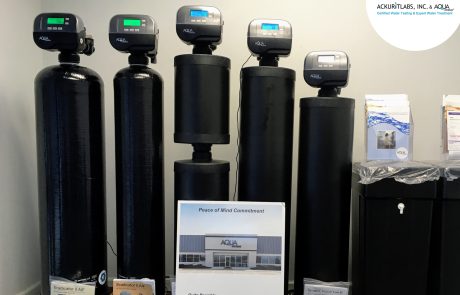
Hardness minerals stick to a charged resin, which swaps them for sodium or potassium ions, and the stored brine is topped up with salt as needed. Softened supply leaves less scale on fixtures, glass and heating elements, though a softener does little for iron staining beyond a modest level.
Salt-Free Conditioners: an Honest Comparison
The minerals stay in the supply, but the device nudges them toward forming less scale on surfaces; they need no electricity in many designs. Anyone expecting the soft feel of a true softener should know the two are different things; asking for a plain description of the outcome avoids disappointment.
Activated Carbon: Why Cartridges Run Out
A carbon bed or block is the common answer when a city supply tastes or smells of disinfectant, and the lab or the utility report can say. Carbon has a limited capacity, and once it is spent, it stops doing its job; keeping a date on the housing is a good habit.
Housings and Replaceable Elements: Reading the Micron Number
Particle filters are the first stage in many systems, catching whatever would clog the rest, which lets each cartridge last longer. A carbon cartridge installed in the same housing style handles taste while the sediment unit handles grit; replacements are sold by size, so note the model.
High-Pressure Polishing: Pressure, Membrane and Reject Stream
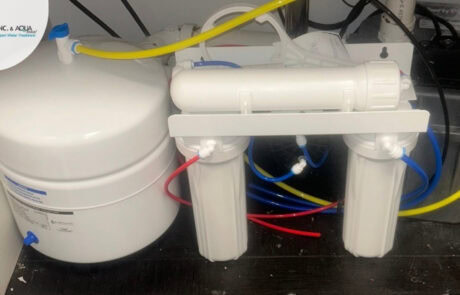
The membrane is the center of the system, flanked by pre-filters and a final carbon stage, while larger units serve whole buildings. A lab test before and after is the reliable way to know what a particular system achieves; the provider can explain what to expect for your supply.
Chlorination: Why Dose Control Matters
A chlorine injector meters a small amount of disinfectant into the line ahead of a holding tank, and the dose is set from lab readings. Residual chlorine has to be removed afterward, and a carbon filter normally takes that job, and chemical equipment is installed and set up with care.
Whole-House or Single-Tap: Planning the Pipe Run
Equipment where the supply enters the building protects all the plumbing downstream; a garage or utility closet often becomes the home. Where only one fixture matters, a compact installation avoids treating the whole house; ask for a simple diagram of the plan.
Sizing: What Undersizing Looks Like
Treating the household's peak demand, not its average, keeps pressure from dropping; a unit that is too small shortens the time between regenerations. Equipment that is too small works harder and wears out sooner; a reasoned answer is a good sign.
Space and Connections: Bypass Valves, Drains and Outlets
Valves around the equipment allow it to be taken out of service in minutes, and electrical needs vary from a plug-in transformer to a dedicated circuit. Checking with the local office is sensible before anything is cut or glued, and access for servicing should be planned from the start.
Supply Source Matters: Planning Around the Source
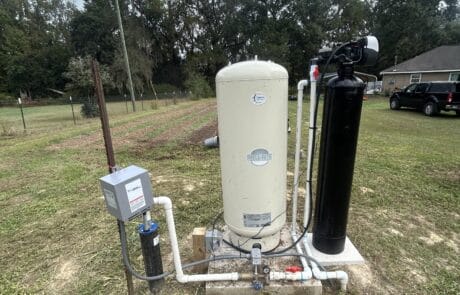
A well has no utility between it and the tap, so equipment often handles more of the load, whereas chlorine and chloramine lead the list on a city line. Because the two sources differ, the same product can be a great fit on one and wasted on the other; mention the source on the first call.
After an Outage: Controllers, Pumps and Flooding
Pumps, injectors and controllers all depend on electricity, and an outage pauses every one of them, and a surge protector on the outlet is sensible protection for the electronics. Anything touched by flooding, including a well pump and chemical feed gear, deserves a professional look; ask the installer what to do before a storm.
Noise, Space and Appearance: Garages, Closets and Mechanical Rooms
Pumps and metering equipment hum when they work, so placement matters for bedrooms and offices, and a level pad keeps tanks from shifting. Sunlight can damage clear housings and warm the supply, so shade is sensible outdoors; a sketch of the space helps the planning.
Upgrading What Is Already There: Compatibility With Present Plumbing
Equipment bought long ago was chosen for a supply that may have changed since; the model number on the label usually leads to a manual and a parts list. Mixing parts from different makers is possible, though compatibility needs checking; nothing is replaced without a reason.
Equipment for Operations: Duplex Tanks and Bigger Flows
Commercial installations are usually specified on paper, with flow rates and targets spelled out, and a controller can log regeneration cycles. A property manager benefits from a maintenance plan that lists tasks, intervals and who does them; ask what monitoring the equipment offers.
Keeping Equipment in Shape – Setting Reminders
Filters eventually clog, and carbon eventually saturates, so each has a replacement interval; a simple calendar reminder prevents most lapses. Bad smells from a filter housing mean it has gone too long, and a service call beats a failed system.
Verifying What Changed – Numbers, Not Impressions
The most reliable verification is a fresh panel run on the same items as before, and the lab can run the identical methods again. If a reading is still high, the report guides the next adjustment; a short note on the equipment installed completes the record.
Expectations Worth Setting – Read the Fine Print
Each technology removes some things and leaves others, so a layered setup is common; ask for the specific substances a product addresses. Honest answers sound specific, and vague answers sound like a sales line, and a plain no is sometimes the most useful answer.
Questions for a Provider: Points Worth Raising
- What does the proposal assume about hardness, iron and chlorine, and where did those figures come from, and the proposal should say so on paper.
- What parts and consumables are needed, and how often do they need replacing; get the details itemized.
- What signs should prompt a call before the next scheduled check; ask about it before work starts.
Start the Conversation: Bring What You Know
Contact Ackuritlabs And Aqua Systems at 850-616-2634 to go over the lab report and the symptoms at your tap.
The Short Version: Test, Choose, Install, Confirm
A dependable setup follows a sequence: measure the supply, pick equipment to suit, install it carefully and test again, and for Water Softeners in Havana Florida the first step is a conversation about the supply and the symptoms. Call 850-616-2634 to reach Ackuritlabs And Aqua Systems and talk over your situation, and say what you would like to change.
Verified

Verified
Verified
Verified
Verified