Shopping for Whole House Water Filtration Installation Around Havana Florida?
A treatment system is a tool for one job, so the job has to be named before the tool is picked; the sections below put the options in plain language.
Dial Ackuritlabs And Aqua Systems at 850-616-2634 to ask how an installation is planned.
Diagnosis First: Why Skipping It Backfires
Orange stains, chalky scale and a swampy smell can each have a separate cause, and each calls for different gear, which keeps the proposal tied to evidence. Where no result exists yet, a provider can often suggest what to measure; skipping ahead is where most mismatches begin.
Taking Out Hardness: How the Resin Works
Hardness minerals stick to a charged resin, which swaps them for sodium or potassium ions; a control valve decides when to regenerate by clock or by usage. Softened supply leaves less scale on fixtures, glass and heating elements, and it will not change the taste of the supply on its own.
Alternatives to the Brine Tank: an Honest Comparison
Conditioners leave the hardness figure unchanged and change the shape of the crystals that form, and maintenance is limited to replacing the media on a schedule. Expect scale to be reduced rather than eliminated, and expect no change in how soap lathers, and a good provider explains that before the purchase.
Activated Carbon: Matching Carbon to the Target
Filters based on carbon are the usual choice for chlorine taste and many household odors; each type of carbon targets specific compounds, so the media is picked to suit the finding. Carbon has a limited capacity, and once it is spent, it stops doing its job, and the maker's change interval is a guide, not a promise.
Spun, Pleated and Wound Media: Keeping Spare Elements
Grit and flakes get stopped by a pleated or wound element sitting in a clear or opaque canister, and a smaller rating catches finer particles but clogs sooner. Pressure falls as an element loads up, which is the practical signal to swap it; replacements are sold by size, so note the model.
The Under-Sink Purifier – Dissolved Solids Reduced
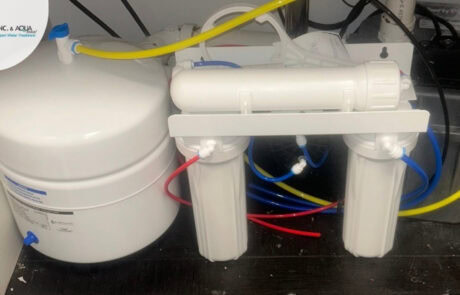
Dissolved solids stay on one side of the membrane and get flushed away, while larger units serve whole buildings. Pre-filters protect the membrane, and replacing them on time protects the system, and a membrane may last for a long stretch if it is protected.
Injectors and Contact Tanks – Time, Dose and Cleanup
A metering pump feeds sodium hypochlorite into the flow, and a tank gives it time to react; the chlorine oxidizes iron and sulfide into forms that can be filtered out. Where the supply is meant for drinking, the leftover chlorine is filtered off; chemicals are stored and handled according to the label.
Where the Equipment Sits: Planning the Pipe Run
A unit at the main line treats every tap, the shower, the washer and the water heater; scale, iron and chlorine are the usual reasons to go this route. Smaller units at one sink target what people drink, leaving the rest of the plumbing alone; ask for a simple diagram of the plan.
Choosing a Capacity: Gallons per Minute and Grains
Ratings printed on the label describe the equipment, and the installer matches them to the building, along with the hardness or iron level on the lab report. Equipment that is too small works harder and wears out sooner; the sizing is not a mystery.
Plumbing, Power and Drain Needs – Codes and Neighbors
A bypass lets the household isolate a unit without shutting off the whole supply; the walk-through before work matters. Checking with the local office is sensible before anything is cut or glued, and access for servicing should be planned from the start.
Wells Versus City Lines: Different Problems, Different Gear
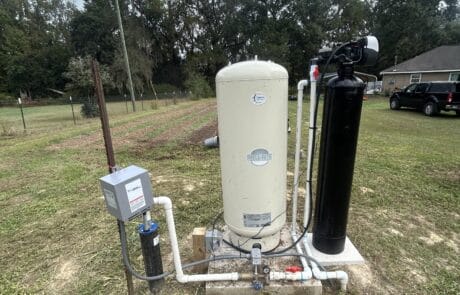
Private wells deliver untreated groundwater, which can carry iron, sulfur, hardness and microbes, and the right system differs accordingly. Because the two sources differ, the same product can be a great fit on one and wasted on the other; each property gets its own plan.
When the Lights Go Out: Planning Before the Season
Softeners and filters with electronic controllers can lose their settings in a long outage unless a backup battery holds them, and a surge protector on the outlet is sensible protection for the electronics. Equipment that sat in floodwater needs inspection before it goes back into service; photographs taken before the season make later comparisons easier.
Practical Details Homeowners Ask About – Placement Decisions That Last
Pumps and metering equipment hum when they work, so placement matters for bedrooms and offices, and the location is chosen to keep lines short and service easy. Leaving room to open lids, change cartridges and read gauges makes upkeep a quick job; a sketch of the space helps the planning.
Inherited Hardware: Compatibility With Present Plumbing
Older units may still work but have worn parts, such as seals, valves, resin or membranes; a fresh lab panel shows whether the present system is still doing its job. A sediment screen or a carbon stage can often be added without replacing everything, and old manuals are worth saving.
When a Property Has Many Users: Duplex Tanks and Bigger Flows
Commercial installations are usually specified on paper, with flow rates and targets spelled out; a duplex arrangement keeps soft supply flowing through each recharge. Training the people on site about shutoffs and alarms prevents small problems from growing; ask what monitoring the equipment offers.
Routine Care: What Gets Neglected
Treatment is not a one-time purchase, since something wears out or runs low on every system; a simple calendar reminder prevents most lapses. Any change from how the system used to behave is the cue to check it; the provider can inspect and adjust.
The Second Sample: When to Retest
Nothing beats a repeat panel for showing whether the readings moved, and the lab can run the identical methods again. Expect a number lower than before, not necessarily a number of zero; store copies where they can be found.
Honest Limits: Misuse and Misfit
Marketing language tends to be broader than what a product actually does; claims about results should point to a published test method. If a proposal does not mention the lab results, ask how it was reached; nothing here replaces advice for your property.
Questions for a Provider: Details That Separate Good Plans
- Which lab results is the proposal based on, and which items does it address; ask for the reasoning in writing.
- Who installs the equipment, and who services it after the job is done; get the details itemized.
- Which items are checked on a routine visit, and which need special tools, and what does it say about future servicing.
Getting Advice: Describe the Problem First
Call Ackuritlabs And Aqua Systems at 850-616-2634 and ask what to collect before any equipment is chosen.
The Short Version – Upkeep Keeps It Working
A dependable setup follows a sequence: measure the supply, pick equipment to suit, install it carefully and test again, because each property in Havana Florida has its own story, whatever any page says about Whole House Water Filtration Installation. The number to call is 850-616-2634, and the conversation is the first step; the details you share shape the advice.
Verified

Verified
Verified
Verified
Verified