Weighing Options for Chlorine Injector Installation for a Property in Hilliard Florida?
Equipment gets chosen to fix a measured problem, and the fix is only as good as the diagnosis behind it; the sections below put the options in plain language.
Speak with Ackuritlabs And Aqua Systems at 850-616-2634 to talk through what the tap has been doing.
Where Treatment Begins – Results Decide the Hardware
A smell, a stain or a taste is a symptom, and the symptom alone rarely identifies the cure, which keeps the proposal tied to evidence. A first conversation commonly ends with advice on what to sample before the next step, and a short delay beats replacing the wrong unit.
Resin Tanks: a Bed of Beads and a Brine Tank
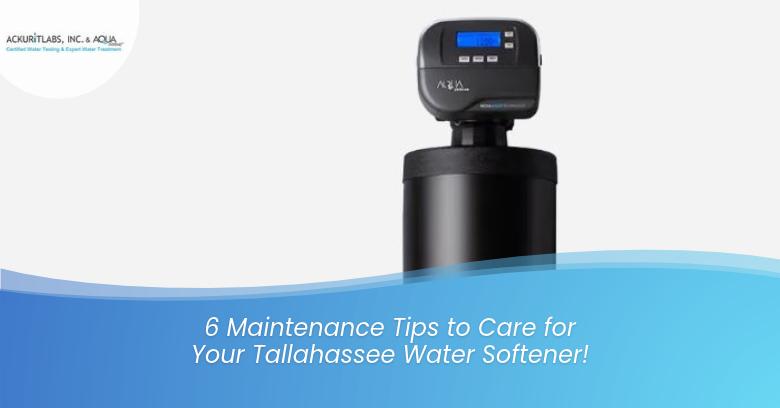
A conventional softener passes the supply through a bed of resin beads that grab calcium and magnesium; when the beads fill up, a brine rinse flushes the captured minerals to a drain. Laundry and dishes tend to come out cleaner where the minerals have been removed; other equipment handles those jobs.
Conditioning Instead of Softening: No Drain, No Salt, Different Results
A salt-free unit does not remove calcium or magnesium; it alters how those minerals behave, and maintenance is limited to replacing the media on a schedule. The results are described best as less crust, not no crust, and a good provider explains that before the purchase.
Activated Carbon: Chlorine, Odors and Organic Traces
Surfaces inside the carbon grab onto particular chemicals, leaving a cleaner taste behind; a catalytic grade is often used where chloramine is the disinfectant. Every carbon filter eventually fills up, so replacement or backwashing is part of owning one; a pre-filter often extends the life of the carbon.
Housings and Replaceable Elements – Catching Grit Before It Travels On
The simplest way to protect a pump, a softener or a fixture is usually a sediment screen ahead of it, which lets each cartridge last longer. A carbon cartridge installed in the same housing style handles taste while the sediment unit handles grit; replacements are sold by size, so note the model.
High-Pressure Polishing: Fair Expectations
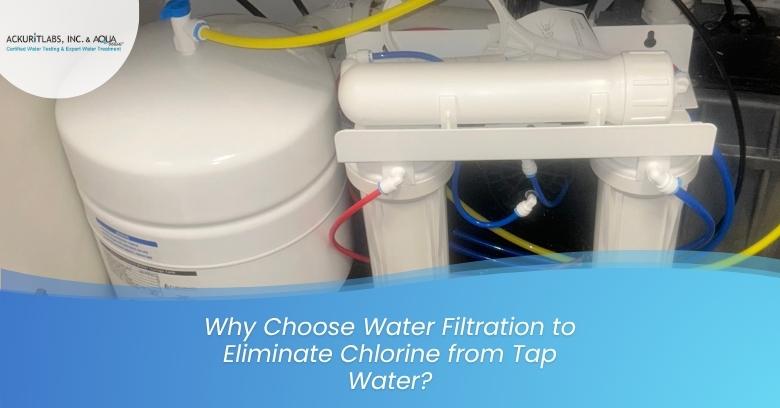
Pressure pushes the supply against a semipermeable membrane, and most dissolved material is held back, and a small storage tank holds finished supply for the dedicated faucet. The reduction achieved depends on membrane condition, pressure and what is in the feed; the provider can explain what to expect for your supply.
Treating Iron, Sulfur and Microbes: Why Dose Control Matters
A metering pump feeds sodium hypochlorite into the flow, and a tank gives it time to react, and the dose is set from lab readings. After the contact tank, a carbon stage strips leftover chlorine so the tap smells clean; dosing is not a do-it-yourself guess.
Treating Everything or Just the Faucet: What Each Layout Covers
Equipment where the supply enters the building protects all the plumbing downstream, and the machinery needs floor space near the main shutoff. Many households combine both: a main-line device for scale and a sink model for taste, and it shows which walls and lines are involved.
Flow Rate and Capacity – People, Fixtures and Usage
Equipment is rated by how fast supply can pass through it and by how much it can treat before servicing; the number of bathrooms and people is part of the calculation. Oversizing has drawbacks too, since idle media can foul and extra tanks need space, and a vague one deserves a follow-up question.
Space and Connections – Codes and Neighbors
Most systems need a bypass valve so the plumbing can keep flowing during service; the walk-through before work matters. Codes affect drain connections, backflow protection and the placement of equipment; leave room to open the tank lid and swap a cartridge.
Supply Source Matters – Pressure Tanks and Pumps
Raw well supply brings the chemistry of the ground straight to the plumbing; sediment and iron tend to be the early concerns. Equipment picked from a neighbor's experience may not suit a different source; neighbors on the same aquifer can still differ.
Weather and the Equipment Room: What to Check Afterward
Softeners and filters with electronic controllers can lose their settings in a long outage unless a backup battery holds them, since a stuck valve is easier to catch early. If floodwater covered the wellhead, the supply itself needs a fresh lab sample; photographs taken before the season make later comparisons easier.
Practical Details Homeowners Ask About – Placement Decisions That Last
Compressors and pumps are the noisiest parts of larger systems, and they normally sit in a mechanical space, and the location is chosen to keep lines short and service easy. Some owners build a small enclosure, though it must not block air or access; a tank that cannot get through a doorway is a common surprise.
Working With Existing Equipment: Test Before Deciding
Older units may still work but have worn parts, such as seals, valves, resin or membranes, and the provider can often read the date code. Adding a stage to an existing setup requires attention to order, flow rate and pressure drop, and old manuals are worth saving.
Larger Buildings and Heavier Demand: Boilers, Ice Machines and Kitchens
Business equipment is sized for higher flows and often arranged in pairs so one tank can work while the other recharges; a duplex arrangement keeps soft supply flowing through each recharge. Training the people on site about shutoffs and alarms prevents small problems from growing; a log of salt, media and filter changes helps.
Maintenance Rhythm: Signs a Unit Needs Attention
Every type of equipment has a consumable: salt for softeners, cartridges for filters, membranes for osmosis units; a simple calendar reminder prevents most lapses. Bad smells from a filter housing mean it has gone too long, and a retest confirms the numbers.
Closing the Loop – Numbers, Not Impressions
A sample collected after the system is running shows whether the problem was solved, which matters for cartridges and media that wear. If a reading is still high, the report guides the next adjustment, and keeping both reports together tells the story.
Where Hardware Stops: Misuse and Misfit
Each technology removes some things and leaves others, so a layered setup is common; compare the data sheet with your lab report. A fair provider will tell you when equipment is not the fix, or not the whole fix; nothing here replaces advice for your property.
Questions for a Provider – Written Answers Preferred
- Does the plan name the substances it targets, rather than speaking in general terms; a specific answer is what you want.
- Which local rules apply to this installation, and who handles them; clear scope prevents surprises.
- Which items are checked on a routine visit, and which need special tools; follow-up is as important as the install.
Talking It Through: Questions Are the Starting Point
Speak with Ackuritlabs And Aqua Systems at 850-616-2634 and ask what to collect before any equipment is chosen.
What to Remember: Matching Hardware to the Finding
Every lasting installation rests on a clear diagnosis, a suitable size and regular care; whatever has brought you to read about Chlorine Injector Installation near Hilliard Florida, a short call sorts out where to begin. The number to call is 850-616-2634, and the conversation is the first step; the call goes quickly.
Verified

Verified
Verified
Verified