Weighing Options for Water Filtration System for a Property in Hilliard Florida?
Matching the device to the finding is what separates a useful installation from a blind guess; read on for how the pieces fit together.
Speak with Ackuritlabs And Aqua Systems at 850-616-2634 to talk through what the tap has been doing.
Diagnosis First: Naming the Target
Orange stains, chalky scale and a swampy smell can each have a separate cause, and each calls for different gear; a sample sent to a laboratory turns a guess into a figure. A first conversation commonly ends with advice on what to sample before the next step; patience at this stage tends to save money later.
The Salt-Based Softener: How the Resin Works
Hardness minerals stick to a charged resin, which swaps them for sodium or potassium ions, and the stored brine is topped up with salt as needed. Where a softener is sized correctly, white crust becomes much less of a chore; other equipment handles those jobs.
Scale Control Without Salt: an Honest Comparison
Nothing is exchanged, so the lab number for hardness reads the same before and after, and maintenance is limited to replacing the media on a schedule. The results are described best as less crust, not no crust, and a good provider explains that before the purchase.
Adsorption Media: Chlorine, Odors and Organic Traces
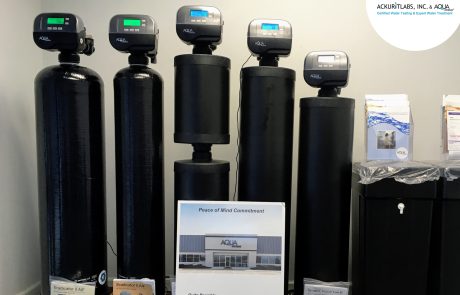
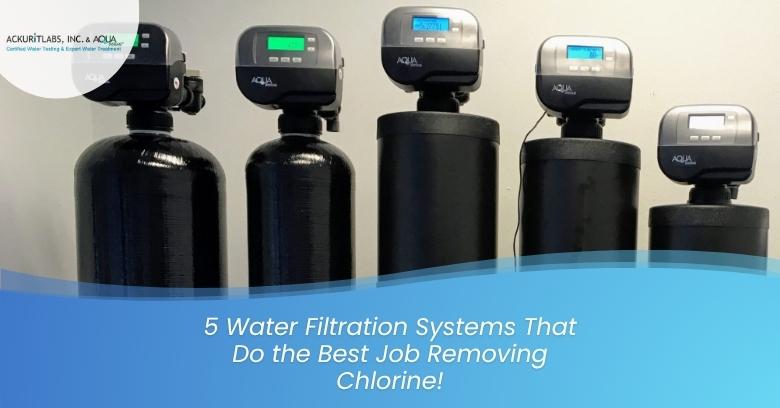
A carbon bed or block is the common answer when a city supply tastes or smells of disinfectant; each type of carbon targets specific compounds, so the media is picked to suit the finding. A saturated filter can release what it captured, which is why change schedules matter; a taste that creeps back is the usual reminder.
The Filter Under the Cap: Sizes, Ratings and Swaps
A housing on the line holds a cartridge that screens out particles above a chosen size; the rating, given in microns, states how small a particle the element is built to catch. The installer chooses which element goes first, because a clogged first stage starves the rest, and a pressure gauge on each side of the housing makes that visible.
High-Pressure Polishing: Fair Expectations
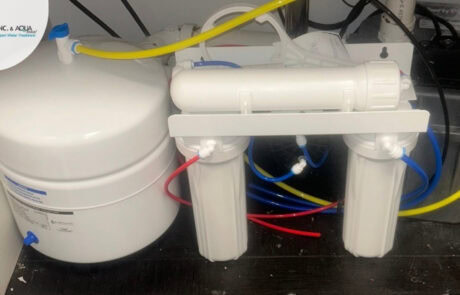
Dissolved solids stay on one side of the membrane and get flushed away; compact units fit under a sink and serve a single tap. A lab test before and after is the reliable way to know what a particular system achieves, and the reject volume is worth asking about.
Treating Iron, Sulfur and Microbes: a Metering Pump and a Retention Tank
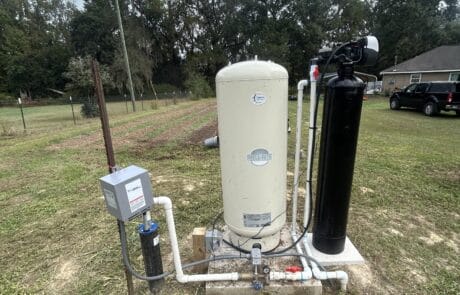
Where a well carries iron, sulfur or microbes, injecting chlorine is a long-established approach; time in the tank is what makes the reaction complete. The final stage polishes taste and removes what remains of the disinfectant; dosing is not a do-it-yourself guess.
Whole-House or Single-Tap – Matching Scope to Need
Point-of-entry installations deal with problems that affect the entire plumbing system; scale, iron and chlorine are the usual reasons to go this route. A point-of-use unit serves a single faucet, usually the kitchen, and suits drinking and cooking; a layout on paper avoids surprises.
Peak Demand Math – People, Fixtures and Usage
Equipment is rated by how fast supply can pass through it and by how much it can treat before servicing; a unit that is too small shortens the time between regenerations. Oversizing has drawbacks too, since idle media can foul and extra tanks need space, and a vague one deserves a follow-up question.
Plumbing, Power and Drain Needs: the Checklist Behind a Clean Install
Shutoffs on both sides of a unit make servicing simple; the installer plans the route up front. Whoever does the installation should be able to say what the local rules ask for; leave room to open the tank lid and swap a cartridge.
Supply Source Matters: Chlorine Added or Not
Raw well supply brings the chemistry of the ground straight to the plumbing, and equipment has to work with the pump's pressure and flow. A carbon unit that suits a city line may be useless against the main problem of a well; each property gets its own plan.
Storms and Power Interruptions – Protecting Gear From Surge and Silt
Pumps, injectors and controllers all depend on electricity, and an outage pauses every one of them, since a stuck valve is easier to catch early. If floodwater covered the wellhead, the supply itself needs a fresh lab sample; ask the installer what to do before a storm.
Where Everything Goes – Placement Decisions That Last
Pumps and metering equipment hum when they work, so placement matters for bedrooms and offices; clear floor space around a tank makes salt loading simple. Equipment is easiest to live with when the controls and the drain sit where a person can reach them; a tank that cannot get through a doorway is a common surprise.
An Older System in the Garage – Keep, Repair or Replace
Many properties already have a tank, a filter housing or an under-sink unit, and the question is whether it still suits the supply, which helps weigh a repair against a new unit. A sediment screen or a carbon stage can often be added without replacing everything; ask for a plain list of what changes and what stays.
Commercial Systems: Written Specifications
Restaurants, offices and apartment buildings draw far more than a house, and the gear is scaled to match, and a drawing of the proposed layout is a reasonable request. Staff who run the building need to know where the valves are and what each one does, and it supports any later troubleshooting.
Keeping Equipment in Shape: Signs a Unit Needs Attention
Soft supply depends on a brine tank that is kept stocked; a label on each housing with the install date helps. If stains come back, or the taste creeps back, something in the chain has used up its capacity, and a service call beats a failed system.
Closing the Loop – Filing the Evidence
Comparing a new lab report against the original is how a household confirms the hardware did its job, which matters for cartridges and media that wear. Treatment can reduce certain items without eliminating them, and the report shows by how much; store copies where they can be found.
Limits to Keep in Mind: Questions for Any Seller
Equipment performs within limits set by its design, the supply and the upkeep; ask how that is demonstrated. A fair provider will tell you when equipment is not the fix, or not the whole fix; nothing here replaces advice for your property.
Before You Sign – Everything in Writing
- What does the proposal assume about hardness, iron and chlorine, and where did those figures come from; vague answers deserve a follow-up.
- Who installs the equipment, and who services it after the job is done; clear scope prevents surprises.
- How will you know the equipment is working a few months from now; ask about it before work starts.
Start the Conversation: Bring What You Know
Phone Ackuritlabs And Aqua Systems at 850-616-2634 and describe the house, the plumbing and what you want changed.
In Plain Terms – the Sequence That Works
A dependable setup follows a sequence: measure the supply, pick equipment to suit, install it carefully and test again, and everything above about Water Filtration System in Hilliard Florida is general background, not a verdict. Questions are welcome at 850-616-2634, where Ackuritlabs And Aqua Systems can lay out the options; the call goes quickly.
Verified

Verified
Verified
Verified
Verified