Weighing Options for Water Purification Service in Hilliard Florida?
Good installations start from a lab result and work toward a device that suits it, and the sections below cover sizing, setup and upkeep.
Speak with Ackuritlabs And Aqua Systems at 850-616-2634 to ask which questions come before any equipment.
Before Any Equipment – Reading the Problem Correctly
Three households with the same complaint can need three different systems, because the underlying chemistry differs; a sample sent to a laboratory turns a guess into a figure. Even a brief description of the symptoms helps decide which measurements to order; the equipment decision waits until the numbers are in.
The Salt-Based Softener – What It Fixes and What It Leaves
Inside the tank, tiny resin beads attract the minerals that cause scale and give up sodium or potassium in return; when the beads fill up, a brine rinse flushes the captured minerals to a drain. Laundry and dishes tend to come out cleaner where the minerals have been removed; the lab result still decides what else belongs in the plan.
Scale Control Without Salt: No Drain, No Salt, Different Results
These devices work on how scale sticks, and they do not strip the minerals out; people choose these devices to avoid salt, brine discharge and a drain connection. Anyone expecting the soft feel of a true softener should know the two are different things, and a good provider explains that before the purchase.
Taste and Odor Control: Matching Carbon to the Target
A carbon bed or block is the common answer when a city supply tastes or smells of disinfectant, and the lab or the utility report can say. A saturated filter can release what it captured, which is why change schedules matter, and the provider can estimate a schedule.
Spun, Pleated and Wound Media – Catching Grit Before It Travels On
Particle filters are the first stage in many systems, catching whatever would clog the rest; a series of coarse then fine elements spreads the load. Putting stages in the wrong order shortens the life of the costlier cartridge; a wrench for the housing is a worthwhile purchase.
High-Pressure Polishing – Dissolved Solids Reduced
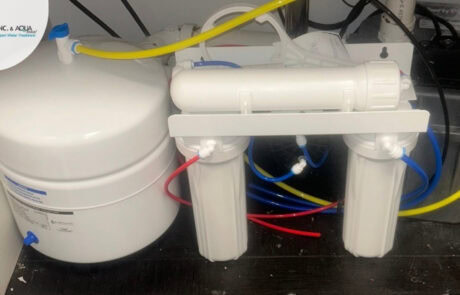
A membrane passes the liquid and rejects a large share of dissolved salts and other solids, and a small storage tank holds finished supply for the dedicated faucet. Some units add minerals back after the membrane to adjust taste; a leak sensor is a sensible add-on.
Treating Iron, Sulfur and Microbes: What the Installer Sets Up
Where a well carries iron, sulfur or microbes, injecting chlorine is a long-established approach, and the dose is set from lab readings. Where the supply is meant for drinking, the leftover chlorine is filtered off, and the setup should be checked after the first weeks.
Treating Everything or Just the Faucet: Choosing the Footprint
Equipment where the supply enters the building protects all the plumbing downstream; scale, iron and chlorine are the usual reasons to go this route. A point-of-use unit serves a single faucet, usually the kitchen, and suits drinking and cooking; the provider can sketch where each unit would go.
Choosing a Capacity – Pressure Drop and Pace
Ratings printed on the label describe the equipment, and the installer matches them to the building; high readings use up capacity faster. When a unit is too small, pressure falls at fixtures during busy mornings, and an installer should explain why a particular size was chosen.
What the Job Requires: the Checklist Behind a Clean Install
A bypass lets the household isolate a unit without shutting off the whole supply, and electrical needs vary from a plug-in transformer to a dedicated circuit. Codes affect drain connections, backflow protection and the placement of equipment; measure before ordering.
Supply Source Matters – Pressure Tanks and Pumps
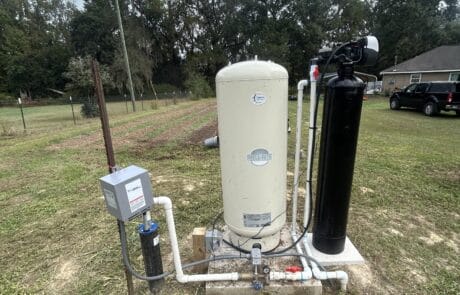
Raw well supply brings the chemistry of the ground straight to the plumbing; wells also bring a pump and a pressure tank into the plan. A carbon unit that suits a city line may be useless against the main problem of a well; mention the source on the first call.
Hurricane-Season Readiness: Planning Before the Season
Many controllers keep their program in memory for a short while, and then need to be set again; checking the time and the settings after power returns takes a minute. Silt in a housing, a wet motor or a corroded joint can turn a repair into a replacement, and the provider can describe what a post-storm check involves.
Where Everything Goes: Garages, Closets and Mechanical Rooms
A recharge brings gurgling and flowing noises for a spell, usually at a scheduled hour; a garage, a utility closet or a pump house is the usual home. A tidy installation labels valves, supports the plumbing and keeps the area dry; measure doors and hallways as well.
An Older System in the Garage: Compatibility With Present Plumbing
A house may come with equipment that nobody remembers installing, so a look at the labels is the first step, which helps weigh a repair against a new unit. A sediment screen or a carbon stage can often be added without replacing everything; photographs of the current setup speed up the first conversation.
Treatment at Business Scale: Duplex Tanks and Bigger Flows
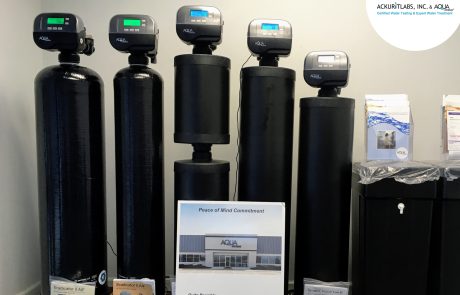
Business equipment is sized for higher flows and often arranged in pairs so one tank can work while the other recharges, and a controller can log regeneration cycles. Training the people on site about shutoffs and alarms prevents small problems from growing, and the provider can supply those if asked.
Maintenance Rhythm – Small Tasks That Protect Big Parts
Soft supply depends on a brine tank that is kept stocked; a simple calendar reminder prevents most lapses. Noisy valves, salt bridges in the tank and slow flow are signs worth a look; the provider can inspect and adjust.
Verifying What Changed: When to Retest
The most reliable verification is a fresh panel run on the same items as before; collecting at the same tap, in the same way, keeps the comparison fair. If a reading is still high, the report guides the next adjustment, and keeping both reports together tells the story.
What Equipment Cannot Do: Questions for Any Seller
Each technology removes some things and leaves others, so a layered setup is common; read the data sheet, not just the front of the box. A provider unwilling to discuss limits is one to think twice about; clear explanations are the best sign.
Comparing Proposals: Scope, Parts and Follow-Up
- What does the proposal assume about hardness, iron and chlorine, and where did those figures come from; ask for the reasoning in writing.
- Which local rules apply to this installation, and who handles them; ask for a copy of the manuals too.
- How will you know the equipment is working a few months from now; each of these is worth asking.
Getting Advice: Questions Are the Starting Point
Contact Ackuritlabs And Aqua Systems at 850-616-2634 to ask what a sensible first step would be for your supply.
Bringing It Together: Test, Choose, Install, Confirm
Matching a device to a lab result, sizing it to the building and keeping up with upkeep is the whole recipe, because each property in Hilliard Florida has its own story, whatever any page says about Water Purification Service. You can speak with Ackuritlabs And Aqua Systems at 850-616-2634 about your plumbing and your goals, and share what the lab report shows.
Verified

Verified
Verified
Verified
Verified