Looking for Residential Water Filtration Around Lamont Florida?
Equipment gets chosen to fix a measured problem, and the fix is only as good as the diagnosis behind it; the sections below put the options in plain language.
Dial Ackuritlabs And Aqua Systems at 850-616-2634 to ask how an installation is planned.
Where Treatment Begins: Naming the Target
Equipment bought off a shelf may handle a different problem than the one at the tap; a sample sent to a laboratory turns a guess into a figure. Where no result exists yet, a provider can often suggest what to measure; skipping ahead is where most mismatches begin.
Resin Tanks: Regeneration in Plain Terms
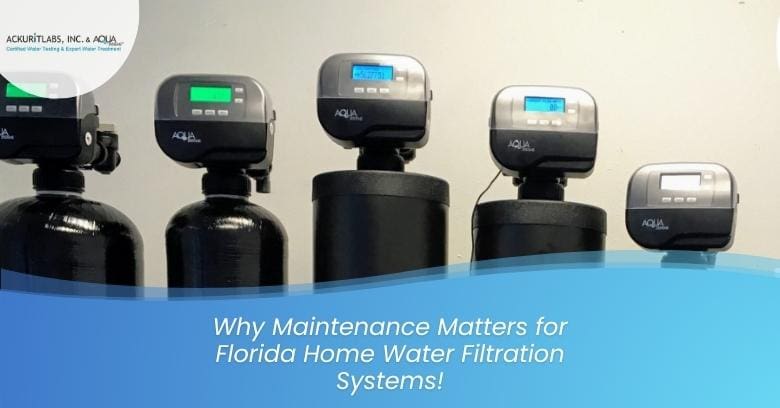
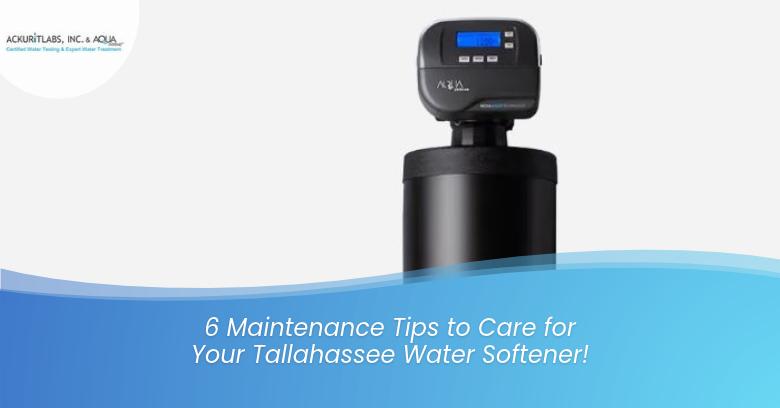
Inside the tank, tiny resin beads attract the minerals that cause scale and give up sodium or potassium in return; the unit needs a drain line and a power outlet. Scale buildup on heaters, kettles and shower heads slows down where hardness has been removed; it is not meant to filter out bacteria or chemicals.
Scale Control Without Salt – Setting Expectations
These devices work on how scale sticks, and they do not strip the minerals out; people choose these devices to avoid salt, brine discharge and a drain connection. A conditioner will not give the slick feel that a softened supply has in the shower, and a good provider explains that before the purchase.
Carbon Filtration – Contact Time and Capacity
Surfaces inside the carbon grab onto particular chemicals, leaving a cleaner taste behind; a catalytic grade is often used where chloramine is the disinfectant. Capacity depends on how much is in the supply and how much a household uses; keeping a date on the housing is a good habit.
Housings and Replaceable Elements: Sizes, Ratings and Swaps
Grit and flakes get stopped by a pleated or wound element sitting in a clear or opaque canister; the rating, given in microns, states how small a particle the element is built to catch. Carbon cartridges, including carbon block types, often sit downstream of the sediment stage; a wrench for the housing is a worthwhile purchase.
The Under-Sink Purifier: Fair Expectations
Dissolved solids stay on one side of the membrane and get flushed away, while larger units serve whole buildings. Reverse osmosis units reduce many dissolved substances, though performance varies by model and by supply, and a membrane may last for a long stretch if it is protected.
Chlorination: a Metering Pump and a Retention Tank
Where a well carries iron, sulfur or microbes, injecting chlorine is a long-established approach; the chlorine oxidizes iron and sulfide into forms that can be filtered out. Residual chlorine has to be removed afterward, and a carbon filter normally takes that job; a wrong dose helps nobody.
Scope of a System: What Each Layout Covers
Everything inside the building sees treated flow when equipment sits at the entry; the flow at the entry is worth measuring before ordering. Many households combine both: a main-line device for scale and a sink model for taste, and the two approaches work well together.
Peak Demand Math – People, Fixtures and Usage
Equipment is rated by how fast supply can pass through it and by how much it can treat before servicing; the number of bathrooms and people is part of the calculation. Oversizing has drawbacks too, since idle media can foul and extra tanks need space, and an installer should explain why a particular size was chosen.
Plumbing, Power and Drain Needs – Codes and Neighbors
Good installations include a way to route flow around the unit when needed, and electrical needs vary from a plug-in transformer to a dedicated circuit. Checking with the local office is sensible before anything is cut or glued, and access for servicing should be planned from the start.
Wells Versus City Lines – Raw Groundwater Versus Treated
Supply from a public system arrives already disinfected, which changes what is left to fix, and the right system differs accordingly. Because the two sources differ, the same product can be a great fit on one and wasted on the other; photos of the existing equipment help.
Weather and the Equipment Room – Resetting the Clock and the Valve
Pumps, injectors and controllers all depend on electricity, and an outage pauses every one of them, since a stuck valve is easier to catch early. If floodwater covered the wellhead, the supply itself needs a fresh lab sample, and the provider can describe what a post-storm check involves.
Where Everything Goes: Keeping the Area Tidy
Most residential units are quiet, and the sounds they make are short bursts when a valve cycles or a recharge runs, and a level pad keeps tanks from shifting. Some owners build a small enclosure, though it must not block air or access; measure doors and hallways as well.
Replacement and Add-Ons: Compatibility With Present Plumbing
A house may come with equipment that nobody remembers installing, so a look at the labels is the first step; the model number on the label usually leads to a manual and a parts list. A sediment screen or a carbon stage can often be added without replacing everything, and the installer should explain what is being kept.
Treatment at Business Scale: Boilers, Ice Machines and Kitchens
Business equipment is sized for higher flows and often arranged in pairs so one tank can work while the other recharges; the existing mechanical room often decides what fits. Staff who run the building need to know where the valves are and what each one does, because early warning beats a repair.
Upkeep: Signs a Unit Needs Attention
Treatment is not a one-time purchase, since something wears out or runs low on every system; adjust to what the supply actually does. Any change from how the system used to behave is the cue to check it; do not wait for a complete failure.
Proof After Installation: Before and After Side by Side
Comparing a new lab report against the original is how a household confirms the hardware did its job; a retest a few months in shows whether the system is holding. Treatment can reduce certain items without eliminating them, and the report shows by how much; the file is useful for a future sale.
Honest Limits: Questions for Any Seller
Each technology removes some things and leaves others, so a layered setup is common; compare the data sheet with your lab report. If a proposal does not mention the lab results, ask how it was reached, and a plain no is sometimes the most useful answer.
Questions for a Provider: Scope, Parts and Follow-Up
- Which lab results is the proposal based on, and which items does it address, and the proposal should say so on paper.
- Which local rules apply to this installation, and who handles them; clear scope prevents surprises.
- Which items are checked on a routine visit, and which need special tools; ask about it before work starts.
Start the Conversation: Questions Are the Starting Point
Dial Ackuritlabs And Aqua Systems at 850-616-2634 and describe the house, the plumbing and what you want changed.
The Short Version – the Sequence That Works
Every lasting installation rests on a clear diagnosis, a suitable size and regular care, because each property in Lamont Florida has its own story, whatever any page says about Residential Water Filtration. The number to call is 850-616-2634, and the conversation is the first step; the call goes quickly.
Verified

Verified
Verified