Thinking About Water Filter Installation Throughout Lamont Florida?
Each piece of hardware on the market answers a particular complaint, and none answers all of them, and the sections below cover sizing, setup and upkeep.
Phone Ackuritlabs And Aqua Systems at 850-616-2634 to ask which questions come before any equipment.
Before Any Equipment: Naming the Target
A smell, a stain or a taste is a symptom, and the symptom alone rarely identifies the cure, which keeps the proposal tied to evidence. If the history of the supply is unknown, a baseline panel is the sensible opener; skipping ahead is where most mismatches begin.
Taking Out Hardness: How the Resin Works
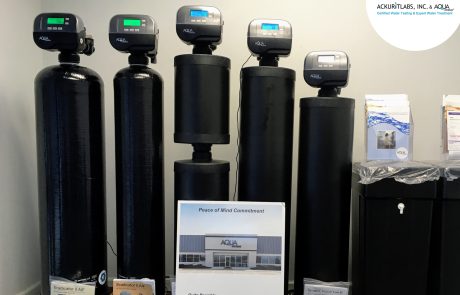
Inside the tank, tiny resin beads attract the minerals that cause scale and give up sodium or potassium in return; a control valve decides when to regenerate by clock or by usage. Where a softener is sized correctly, white crust becomes much less of a chore, though a softener does little for iron staining beyond a modest level.
Conditioning Instead of Softening: What They Do and Do Not Do
Nothing is exchanged, so the lab number for hardness reads the same before and after, though results vary with the water and the model. Because the minerals remain, soap and shampoo behave as they would on hard supply; asking for a plain description of the outcome avoids disappointment.
Taste and Odor Control: Chlorine, Odors and Organic Traces
Surfaces inside the carbon grab onto particular chemicals, leaving a cleaner taste behind; it helps to know what the utility adds. Carbon has a limited capacity, and once it is spent, it stops doing its job; a taste that creeps back is the usual reminder.
Housings and Replaceable Elements – Catching Grit Before It Travels On
Grit and flakes get stopped by a pleated or wound element sitting in a clear or opaque canister, which lets each cartridge last longer. The installer chooses which element goes first, because a clogged first stage starves the rest; keep a spare cartridge on a shelf.
The Under-Sink Purifier: Fair Expectations
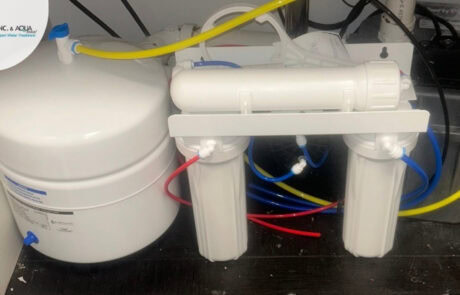
Pressure pushes the supply against a semipermeable membrane, and most dissolved material is held back; the rejected stream runs to a drain, so a connection to the sink drain is part of the installation. A lab test before and after is the reliable way to know what a particular system achieves; ask for the maintenance schedule in writing.
Treating Iron, Sulfur and Microbes: What the Installer Sets Up
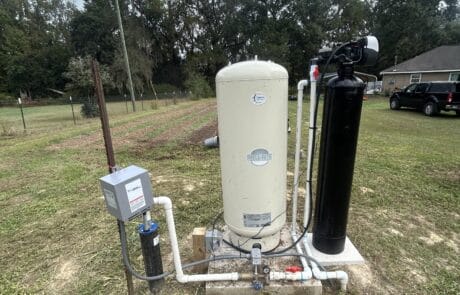
The setup pairs a feed pump with a retention tank so the chlorine has time to work; the tank is sized to the flow of the well. The final stage polishes taste and removes what remains of the disinfectant; a wrong dose helps nobody.
Treating Everything or Just the Faucet – One Tap, One Sink, One Appliance
Whole-house layouts put one set of equipment ahead of every fixture; larger tanks and brine cabinets take real room. Smaller units at one sink target what people drink, leaving the rest of the plumbing alone; the provider can sketch where each unit would go.
Flow Rate and Capacity: What Undersizing Looks Like
Treating the household's peak demand, not its average, keeps pressure from dropping; the number of bathrooms and people is part of the calculation. When a unit is too small, pressure falls at fixtures during busy mornings; ask to see the numbers behind the recommendation.
Installation Details: Tying Into Existing Lines
Good installations include a way to route flow around the unit when needed, and electrical needs vary from a plug-in transformer to a dedicated circuit. Permits or inspections can be required in some jurisdictions, depending on the work; leave room to open the tank lid and swap a cartridge.
Supply Source Matters – Raw Groundwater Versus Treated
A well has no utility between it and the tap, so equipment often handles more of the load, whereas chlorine and chloramine lead the list on a city line. A quick description of the plumbing path is enough to start the right conversation; each property gets its own plan.
When the Lights Go Out – Protecting Gear From Surge and Silt
Pumps, injectors and controllers all depend on electricity, and an outage pauses every one of them, and a surge protector on the outlet is sensible protection for the electronics. Anything touched by flooding, including a well pump and chemical feed gear, deserves a professional look; write down the shutoff locations.
Day-to-Day Presence – Reaching the Controls
A recharge brings gurgling and flowing noises for a spell, usually at a scheduled hour, and a level pad keeps tanks from shifting. Sunlight can damage clear housings and warm the supply, so shade is sensible outdoors; a tank that cannot get through a doorway is a common surprise.
Inherited Hardware: Planning a Sensible Sequence
Many properties already have a tank, a filter housing or an under-sink unit, and the question is whether it still suits the supply; a fresh lab panel shows whether the present system is still doing its job. Adding a stage to an existing setup requires attention to order, flow rate and pressure drop, and the installer should explain what is being kept.
When a Property Has Many Users – Keeping Service Running
Boilers, cooling equipment and ice makers can be sensitive to scale, which shapes the design, and a drawing of the proposed layout is a reasonable request. A property manager benefits from a maintenance plan that lists tasks, intervals and who does them; a log of salt, media and filter changes helps.
Keeping Equipment in Shape: What Gets Neglected
Filters eventually clog, and carbon eventually saturates, so each has a replacement interval; a simple calendar reminder prevents most lapses. Noisy valves, salt bridges in the tank and slow flow are signs worth a look, and a service call beats a failed system.
Proof After Installation: Before and After Side by Side
Comparing a new lab report against the original is how a household confirms the hardware did its job; a retest a few months in shows whether the system is holding. Some substances respond well and others hardly at all, which the new figures reveal; store copies where they can be found.
Expectations Worth Setting: No Single Device Fixes Everything
Each technology removes some things and leaves others, so a layered setup is common; read the data sheet, not just the front of the box. Anyone selling treatment equipment should be able to explain what it reduces and what it leaves alone; weigh each source on how specific it is.
Comparing Proposals: Details That Separate Good Plans
- Does the plan name the substances it targets, rather than speaking in general terms, and what stays the same afterward.
- Where will the drain, the power and the bypass go, and what will be cut or moved; clear scope prevents surprises.
- How will you know the equipment is working a few months from now, and what does it say about future servicing.
A Call Before a Purchase – Share Your Lab Report
Speak with Ackuritlabs And Aqua Systems at 850-616-2634 to find out how a system would be planned and sized.
The Short Version: Test, Choose, Install, Confirm
Good outcomes come from habits worth repeating: testing first, buying second and checking afterward, because each property in Lamont Florida has its own story, whatever any page says about Water Filter Installation. You can speak with Ackuritlabs And Aqua Systems at 850-616-2634 about your plumbing and your goals; the details you share shape the advice.
Verified

Verified
Verified
Verified
Verified