Need Water Softener Installation in Lamont Florida?
Each piece of hardware on the market answers a particular complaint, and none answers all of them; the sections below describe what each option does and where it stops.
Speak with Ackuritlabs And Aqua Systems at 850-616-2634 and say whether the supply is a well or a city line.
Before Any Equipment – Results Decide the Hardware
A smell, a stain or a taste is a symptom, and the symptom alone rarely identifies the cure, and the figure is what a provider uses to size and pick the unit. Where no result exists yet, a provider can often suggest what to measure, and a short delay beats replacing the wrong unit.
Taking Out Hardness: How the Resin Works
Hardness minerals stick to a charged resin, which swaps them for sodium or potassium ions, and the stored brine is topped up with salt as needed. Scale buildup on heaters, kettles and shower heads slows down where hardness has been removed, though a softener does little for iron staining beyond a modest level.
Salt-Free Conditioners: an Honest Comparison
Conditioners leave the hardness figure unchanged and change the shape of the crystals that form, and maintenance is limited to replacing the media on a schedule. Because the minerals remain, soap and shampoo behave as they would on hard supply; being clear on this point prevents disputes later.
Activated Carbon – Contact Time and Capacity
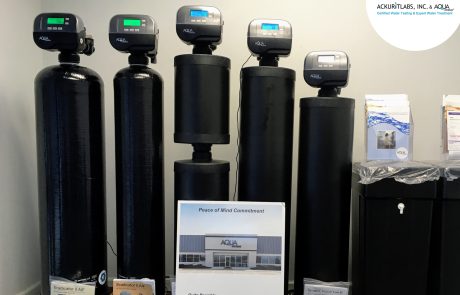
Carbon holds onto certain compounds as supply passes through, which cuts chlorine taste and some odors; it helps to know what the utility adds. Carbon has a limited capacity, and once it is spent, it stops doing its job, and the provider can estimate a schedule.
Housings and Replaceable Elements: Reading the Micron Number
Grit and flakes get stopped by a pleated or wound element sitting in a clear or opaque canister; a series of coarse then fine elements spreads the load. Putting stages in the wrong order shortens the life of the costlier cartridge; write the swap date on the canister.
Drinking Supply Upgrades: Fair Expectations
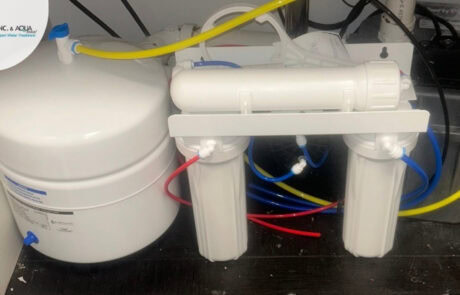
A small pump or the line pressure drives the flow through a membrane with extremely fine pores; the rejected stream runs to a drain, so a connection to the sink drain is part of the installation. A lab test before and after is the reliable way to know what a particular system achieves, and the reject volume is worth asking about.
Treating Iron, Sulfur and Microbes – Time, Dose and Cleanup
The setup pairs a feed pump with a retention tank so the chlorine has time to work; time in the tank is what makes the reaction complete. Residual chlorine has to be removed afterward, and a carbon filter normally takes that job; chemicals are stored and handled according to the label.
Point of Entry Versus Point of Use: What Each Layout Covers
Equipment where the supply enters the building protects all the plumbing downstream, and the machinery needs floor space near the main shutoff. Where only one fixture matters, a compact installation avoids treating the whole house; ask for a simple diagram of the plan.
Flow Rate and Capacity: What Undersizing Looks Like
A unit has two numbers that matter: a peak flow rating and a capacity between cleanings; a bigger tank may be the practical answer. Oversizing has drawbacks too, since idle media can foul and extra tanks need space; a reasoned answer is a good sign.
What the Job Requires: Tying Into Existing Lines
A bypass lets the household isolate a unit without shutting off the whole supply; chlorine feed pumps and contact tanks add their own requirements. Local plumbing and electrical rules may apply, and the installer is the one to know them; a tidy install is easier to maintain.
Supply Source Matters: Different Problems, Different Gear
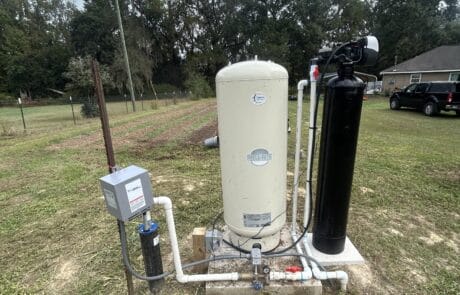
A well has no utility between it and the tap, so equipment often handles more of the load; sediment and iron tend to be the early concerns. A quick description of the plumbing path is enough to start the right conversation; photos of the existing equipment help.
Weather and the Equipment Room: Controllers, Pumps and Flooding
Electronic valves keep time with the power, so a clock that resets can trigger recharges at odd hours; a quick look at the salt level and the drain line completes the check. If floodwater covered the wellhead, the supply itself needs a fresh lab sample; keep manuals and settings notes together.
Noise, Space and Appearance – Reaching the Controls
Most residential units are quiet, and the sounds they make are short bursts when a valve cycles or a recharge runs; clear floor space around a tank makes salt loading simple. A tidy installation labels valves, supports the plumbing and keeps the area dry; measure doors and hallways as well.
An Older System in the Garage: Test Before Deciding
Older units may still work but have worn parts, such as seals, valves, resin or membranes, and the provider can often read the date code. New components usually have to fit the pipe sizes, the pressure and the drain already in place, and the installer should explain what is being kept.
When a Property Has Many Users: Duplex Tanks and Bigger Flows
Business equipment is sized for higher flows and often arranged in pairs so one tank can work while the other recharges, and a drawing of the proposed layout is a reasonable request. Staff who run the building need to know where the valves are and what each one does; a log of salt, media and filter changes helps.
Keeping Equipment in Shape: Salt, Cartridges and Media
Treatment is not a one-time purchase, since something wears out or runs low on every system; keep the paperwork in one place. Warning signs include a return of the old taste, scale reappearing and a drop in pressure, and a service call beats a failed system.
Closing the Loop – Filing the Evidence
Measurements taken after setup show the change in black and white; schedule it when the system goes in. If a reading is still high, the report guides the next adjustment; dates on everything keep the record clear.
What Equipment Cannot Do: Questions for Any Seller
Equipment performs within limits set by its design, the supply and the upkeep; read the data sheet, not just the front of the box. Honest answers sound specific, and vague answers sound like a sales line, and a plain no is sometimes the most useful answer.
A Short Interview: Points Worth Raising
- Which readings on the report are meant to change, and which are not expected to; vague answers deserve a follow-up.
- Which local rules apply to this installation, and who handles them, and how can questions be raised afterward.
- What does a retest look like, and when is it scheduled; each of these is worth asking.
Talking It Through: Questions Are the Starting Point
Speak with Ackuritlabs And Aqua Systems at 850-616-2634 and ask what to collect before any equipment is chosen.
The Short Version: Next Steps
The reliable path runs from a lab figure, through a sensible choice of equipment, to a retest that shows the change; whatever has brought you to read about Water Softener Installation near Lamont Florida, a short call sorts out where to begin. Call 850-616-2634 to reach Ackuritlabs And Aqua Systems and talk over your situation; the call goes quickly.
Verified

Verified
Verified
Verified
Verified