Shopping for Residential Water Filtration for a Property in Madison Florida?
Matching the device to the finding is what separates a useful installation from a blind guess, and the sections below cover sizing, setup and upkeep.
Dial Ackuritlabs And Aqua Systems at 850-616-2634 and say whether the supply is a well or a city line.
The Order of Operations – Results Decide the Hardware
Taste and appearance narrow the field, though only a lab report settles it, and the figure is what a provider uses to size and pick the unit. A first conversation commonly ends with advice on what to sample before the next step, and a short delay beats replacing the wrong unit.
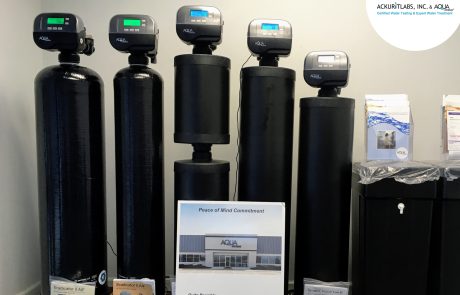
Softening – Swapping Minerals for Sodium or Potassium
Hardness minerals stick to a charged resin, which swaps them for sodium or potassium ions, and a salt or potassium brine recharges the bed on a schedule. Softened supply leaves less scale on fixtures, glass and heating elements; it is not meant to filter out bacteria or chemicals.
Conditioning Instead of Softening – Setting Expectations
A salt-free unit does not remove calcium or magnesium; it alters how those minerals behave, though results vary with the water and the model. A conditioner will not give the slick feel that a softened supply has in the shower; ask what the device will not do.
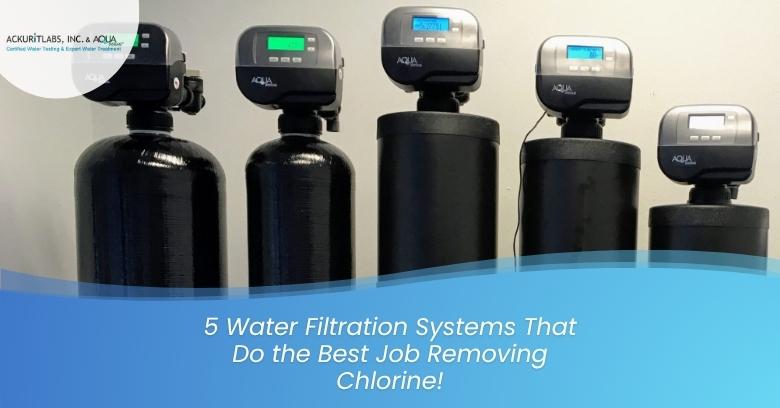
Taste and Odor Control: Chlorine, Odors and Organic Traces
A carbon bed or block is the common answer when a city supply tastes or smells of disinfectant; a catalytic grade is often used where chloramine is the disinfectant. Capacity depends on how much is in the supply and how much a household uses, and the maker's change interval is a guide, not a promise.
Spun, Pleated and Wound Media: Keeping Spare Elements
The simplest way to protect a pump, a softener or a fixture is usually a sediment screen ahead of it, and a smaller rating catches finer particles but clogs sooner. A carbon cartridge installed in the same housing style handles taste while the sediment unit handles grit; replacements are sold by size, so note the model.
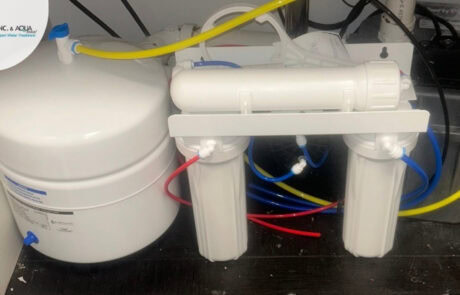
Membrane Systems: Pressure, Membrane and Reject Stream
The membrane is the center of the system, flanked by pre-filters and a final carbon stage, while larger units serve whole buildings. Pre-filters protect the membrane, and replacing them on time protects the system; a leak sensor is a sensible add-on.
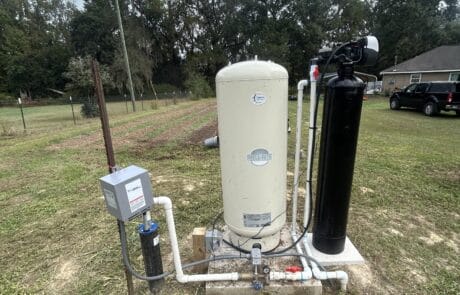
Treating Iron, Sulfur and Microbes: a Metering Pump and a Retention Tank
Where a well carries iron, sulfur or microbes, injecting chlorine is a long-established approach, and the dose is set from lab readings. After the contact tank, a carbon stage strips leftover chlorine so the tap smells clean, and the setup should be checked after the first weeks.
Treating Everything or Just the Faucet: Planning the Pipe Run
Equipment where the supply enters the building protects all the plumbing downstream, and the machinery needs floor space near the main shutoff. Many households combine both: a main-line device for scale and a sink model for taste, and the two approaches work well together.
Sizing: Room to Grow
The size of the housing and the volume of media set how much a system can handle, along with the hardness or iron level on the lab report. An undersized system forces flow past the media too fast, which weakens the result; ask to see the numbers behind the recommendation.
Space and Connections – Codes and Neighbors
A bypass lets the household isolate a unit without shutting off the whole supply; the walk-through before work matters. Codes affect drain connections, backflow protection and the placement of equipment; a tidy install is easier to maintain.
Supply Source Matters: Planning Around the Source
Raw well supply brings the chemistry of the ground straight to the plumbing, whereas chlorine and chloramine lead the list on a city line. Because the two sources differ, the same product can be a great fit on one and wasted on the other; mention the source on the first call.
Hurricane-Season Readiness: Controllers, Pumps and Flooding
A unit left without power may skip a scheduled recharge, which leaves the media tired when flow resumes; a quick look at the salt level and the drain line completes the check. Anything touched by flooding, including a well pump and chemical feed gear, deserves a professional look; photographs taken before the season make later comparisons easier.
Day-to-Day Presence – Reaching the Controls
Noise from a unit tends to come from the drain line and the valve rather than the tanks; a garage, a utility closet or a pump house is the usual home. Sunlight can damage clear housings and warm the supply, so shade is sensible outdoors, and the installer can suggest a layout.
An Older System in the Garage: Compatibility With Present Plumbing
Many properties already have a tank, a filter housing or an under-sink unit, and the question is whether it still suits the supply; the model number on the label usually leads to a manual and a parts list. Adding a stage to an existing setup requires attention to order, flow rate and pressure drop, and the installer should explain what is being kept.
Treatment at Business Scale: Written Specifications
Business equipment is sized for higher flows and often arranged in pairs so one tank can work while the other recharges; the existing mechanical room often decides what fits. A property manager benefits from a maintenance plan that lists tasks, intervals and who does them; ask what monitoring the equipment offers.
Maintenance Rhythm: Signs a Unit Needs Attention
Soft supply depends on a brine tank that is kept stocked; a simple calendar reminder prevents most lapses. Bad smells from a filter housing mean it has gone too long; do not wait for a complete failure.
The Second Sample: Before and After Side by Side
Nothing beats a repeat panel for showing whether the readings moved, and the lab can run the identical methods again. If a reading is still high, the report guides the next adjustment; a short note on the equipment installed completes the record.
Honest Limits: Misuse and Misfit
A softener will not make a supply taste different, and a carbon filter will not soften it; ask for the specific substances a product addresses. If a proposal does not mention the lab results, ask how it was reached; weigh each source on how specific it is.
A Short Interview – Everything in Writing
- Does the plan name the substances it targets, rather than speaking in general terms, and what stays the same afterward.
- Who installs the equipment, and who services it after the job is done, and how can questions be raised afterward.
- What signs should prompt a call before the next scheduled check; write the answers down.
Getting Advice: Describe the Problem First
Dial Ackuritlabs And Aqua Systems at 850-616-2634 to go over the lab report and the symptoms at your tap.
Bringing It Together: Next Steps
Every lasting installation rests on a clear diagnosis, a suitable size and regular care, and for Residential Water Filtration in Madison Florida the first step is a conversation about the supply and the symptoms. To get started, reach Ackuritlabs And Aqua Systems at 850-616-2634; mention whether the supply is a well or a utility line.
Verified

Verified
Verified
Verified
Verified