Thinking About Water Filter Installation Around Midway Florida?
Equipment gets chosen to fix a measured problem, and the fix is only as good as the diagnosis behind it; read on for how the pieces fit together.
Call Ackuritlabs And Aqua Systems at 850-616-2634 and describe the stains, scale or smells you want gone.
The Order of Operations – Reading the Problem Correctly
Taste and appearance narrow the field, though only a lab report settles it; having a report on hand speeds everything up. Where no result exists yet, a provider can often suggest what to measure, and a short delay beats replacing the wrong unit.
Taking Out Hardness – What It Fixes and What It Leaves
Hardness minerals stick to a charged resin, which swaps them for sodium or potassium ions; a control valve decides when to regenerate by clock or by usage. Softened supply leaves less scale on fixtures, glass and heating elements; other equipment handles those jobs.
Conditioning Instead of Softening: No Drain, No Salt, Different Results
The minerals stay in the supply, but the device nudges them toward forming less scale on surfaces, and maintenance is limited to replacing the media on a schedule. The results are described best as less crust, not no crust; asking for a plain description of the outcome avoids disappointment.
Carbon Filtration: Chlorine, Odors and Organic Traces
A carbon bed or block is the common answer when a city supply tastes or smells of disinfectant; each type of carbon targets specific compounds, so the media is picked to suit the finding. Carbon has a limited capacity, and once it is spent, it stops doing its job, and the provider can estimate a schedule.
Cartridges and Sediment Filters: Reading the Micron Number
Sediment cartridges screen out sand, rust flakes and silt before they reach appliances; the rating, given in microns, states how small a particle the element is built to catch. A carbon cartridge installed in the same housing style handles taste while the sediment unit handles grit, and a pressure gauge on each side of the housing makes that visible.
Membrane Systems – Dissolved Solids Reduced
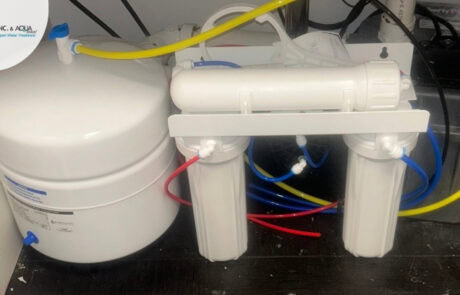
A small pump or the line pressure drives the flow through a membrane with extremely fine pores, while larger units serve whole buildings. A lab test before and after is the reliable way to know what a particular system achieves; a leak sensor is a sensible add-on.
Injectors and Contact Tanks: a Metering Pump and a Retention Tank
A chlorine injector meters a small amount of disinfectant into the line ahead of a holding tank, and it also acts on bacteria in the supply. A backwashing filter often follows, clearing the particles the reaction produces, and chemical equipment is installed and set up with care.
Point of Entry Versus Point of Use: Planning the Pipe Run
Equipment where the supply enters the building protects all the plumbing downstream; the flow at the entry is worth measuring before ordering. Smaller units at one sink target what people drink, leaving the rest of the plumbing alone; a layout on paper avoids surprises.
Sizing – Pressure Drop and Pace
Treating the household's peak demand, not its average, keeps pressure from dropping; a unit that is too small shortens the time between regenerations. Equipment that is too small works harder and wears out sooner, and a vague one deserves a follow-up question.
What the Job Requires – Planning for Service Access
Shutoffs on both sides of a unit make servicing simple; the walk-through before work matters. Checking with the local office is sensible before anything is cut or glued; measure before ordering.
What Changes by Source – Pressure Tanks and Pumps
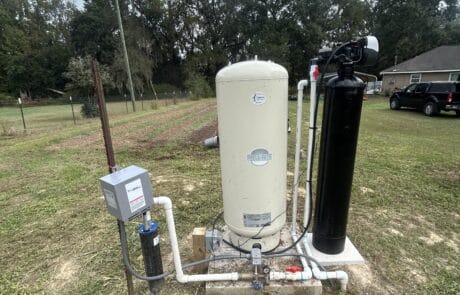
Supply from a public system arrives already disinfected, which changes what is left to fix; sediment and iron tend to be the early concerns. A carbon unit that suits a city line may be useless against the main problem of a well; each property gets its own plan.
Storms and Power Interruptions: Controllers, Pumps and Flooding
Softeners and filters with electronic controllers can lose their settings in a long outage unless a backup battery holds them, and the manual shows how to reset the controller. Anything touched by flooding, including a well pump and chemical feed gear, deserves a professional look; keep manuals and settings notes together.
Noise, Space and Appearance – Reaching the Controls
A recharge brings gurgling and flowing noises for a spell, usually at a scheduled hour, which is worth thinking through before delivery. Sunlight can damage clear housings and warm the supply, so shade is sensible outdoors; a sketch of the space helps the planning.
An Older System in the Garage – Keep, Repair or Replace
A house may come with equipment that nobody remembers installing, so a look at the labels is the first step; the model number on the label usually leads to a manual and a parts list. New components usually have to fit the pipe sizes, the pressure and the drain already in place; nothing is replaced without a reason.
Treatment at Business Scale: Boilers, Ice Machines and Kitchens
Commercial installations are usually specified on paper, with flow rates and targets spelled out; the existing mechanical room often decides what fits. Staff who run the building need to know where the valves are and what each one does; ask what monitoring the equipment offers.
Upkeep – Setting Reminders
Treatment is not a one-time purchase, since something wears out or runs low on every system; adjust to what the supply actually does. Noisy valves, salt bridges in the tank and slow flow are signs worth a look; do not wait for a complete failure.
The Second Sample – Filing the Evidence
The most reliable verification is a fresh panel run on the same items as before, and the lab can run the identical methods again. If a reading is still high, the report guides the next adjustment; the file is useful for a future sale.
Where Hardware Stops – Matching Promises to Physics
Equipment performs within limits set by its design, the supply and the upkeep; ask for the specific substances a product addresses. If a proposal does not mention the lab results, ask how it was reached, and a plain no is sometimes the most useful answer.
What to Ask at the Door – Everything in Writing
- What does the proposal assume about hardness, iron and chlorine, and where did those figures come from; a specific answer is what you want.
- What parts and consumables are needed, and how often do they need replacing; get the details itemized.
- What does a retest look like, and when is it scheduled; each of these is worth asking.
A Call Before a Purchase: Describe the Problem First
Phone Ackuritlabs And Aqua Systems at 850-616-2634 to find out how a system would be planned and sized.
Bringing It Together: Matching Hardware to the Finding
The reliable path runs from a lab figure, through a sensible choice of equipment, to a retest that shows the change, and everything above about Water Filter Installation in Midway Florida is general background, not a verdict. You can speak with Ackuritlabs And Aqua Systems at 850-616-2634 about your plumbing and your goals, and say what you would like to change.
Verified

Verified
Verified