Shopping for Water Filtration System Around Midway Florida?
Matching the device to the finding is what separates a useful installation from a blind guess; the sections below describe what each option does and where it stops.
Phone Ackuritlabs And Aqua Systems at 850-616-2634 and say whether the supply is a well or a city line.
Before Any Equipment: Naming the Target
Equipment bought off a shelf may handle a different problem than the one at the tap, which keeps the proposal tied to evidence. Where no result exists yet, a provider can often suggest what to measure; patience at this stage tends to save money later.
Softening – What It Fixes and What It Leaves
A conventional softener passes the supply through a bed of resin beads that grab calcium and magnesium, and a salt or potassium brine recharges the bed on a schedule. Less mineral reaching the pipes also means less deposit inside them; other equipment handles those jobs.
Salt-Free Conditioners – Setting Expectations
A salt-free unit does not remove calcium or magnesium; it alters how those minerals behave, though results vary with the water and the model. Expect scale to be reduced rather than eliminated, and expect no change in how soap lathers; ask what the device will not do.
Activated Carbon: Why Cartridges Run Out
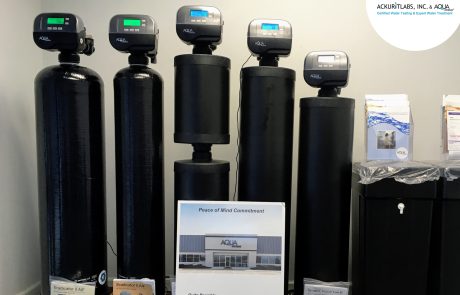
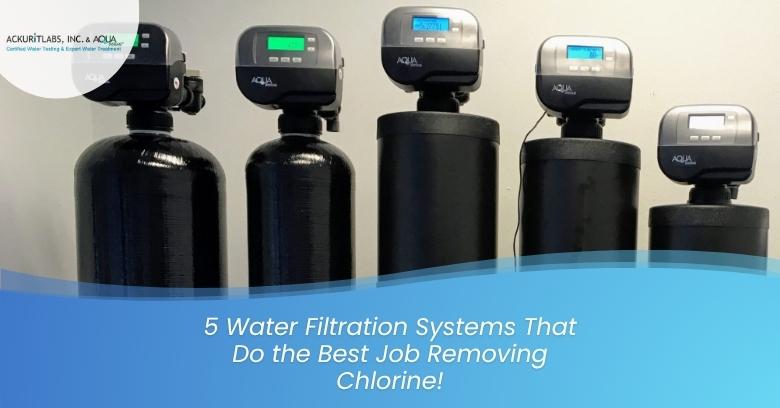
Filters based on carbon are the usual choice for chlorine taste and many household odors; each type of carbon targets specific compounds, so the media is picked to suit the finding. Every carbon filter eventually fills up, so replacement or backwashing is part of owning one, and the provider can estimate a schedule.
Canisters on the Line – Catching Grit Before It Travels On
Grit and flakes get stopped by a pleated or wound element sitting in a clear or opaque canister, which lets each cartridge last longer. Carbon cartridges, including carbon block types, often sit downstream of the sediment stage, and a pressure gauge on each side of the housing makes that visible.
Membrane Systems – Dissolved Solids Reduced
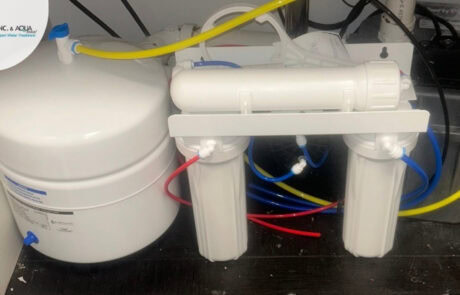
A membrane passes the liquid and rejects a large share of dissolved salts and other solids; the rejected stream runs to a drain, so a connection to the sink drain is part of the installation. A lab test before and after is the reliable way to know what a particular system achieves, and a membrane may last for a long stretch if it is protected.
Feeding Chlorine Into the Line: Why Dose Control Matters
The setup pairs a feed pump with a retention tank so the chlorine has time to work; time in the tank is what makes the reaction complete. Residual chlorine has to be removed afterward, and a carbon filter normally takes that job, and the setup should be checked after the first weeks.
Where the Equipment Sits – One Tap, One Sink, One Appliance
Equipment where the supply enters the building protects all the plumbing downstream; larger tanks and brine cabinets take real room. Many households combine both: a main-line device for scale and a sink model for taste, and it shows which walls and lines are involved.
Choosing a Capacity – Pressure Drop and Pace
Ratings printed on the label describe the equipment, and the installer matches them to the building, along with the hardness or iron level on the lab report. Oversizing has drawbacks too, since idle media can foul and extra tanks need space; a reasoned answer is a good sign.
Practical Requirements – Planning for Service Access
Valves around the equipment allow it to be taken out of service in minutes; the walk-through before work matters. Checking with the local office is sensible before anything is cut or glued; a tidy install is easier to maintain.
What Changes by Source – Pressure Tanks and Pumps
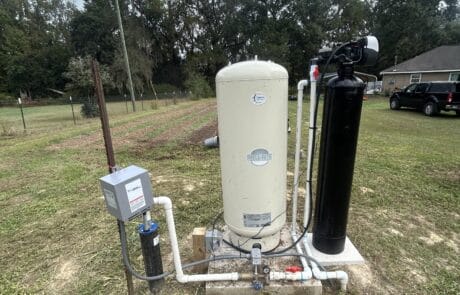
Raw well supply brings the chemistry of the ground straight to the plumbing, and the right system differs accordingly. A quick description of the plumbing path is enough to start the right conversation, and a lab report removes most of the guesswork.
Hurricane-Season Readiness: Planning Before the Season
Electronic valves keep time with the power, so a clock that resets can trigger recharges at odd hours, and the manual shows how to reset the controller. Equipment that sat in floodwater needs inspection before it goes back into service; write down the shutoff locations.
Noise, Space and Appearance: Keeping the Area Tidy
Pumps and metering equipment hum when they work, so placement matters for bedrooms and offices, and a level pad keeps tanks from shifting. Leaving room to open lids, change cartridges and read gauges makes upkeep a quick job, and the provider should ask about access.
Replacement and Add-Ons – Keep, Repair or Replace
Older units may still work but have worn parts, such as seals, valves, resin or membranes; the model number on the label usually leads to a manual and a parts list. The simplest upgrade is often a fresh set of cartridges or media, not a new system; nothing is replaced without a reason.
Treatment at Business Scale: Written Specifications
Commercial installations are usually specified on paper, with flow rates and targets spelled out; the existing mechanical room often decides what fits. Commercial owners usually want service records, so the system should make them easy to keep, and the provider can supply those if asked.
Maintenance Rhythm: Signs a Unit Needs Attention
Filters eventually clog, and carbon eventually saturates, so each has a replacement interval; adjust to what the supply actually does. Bad smells from a filter housing mean it has gone too long, and a retest confirms the numbers.
Verifying What Changed – Filing the Evidence
Comparing a new lab report against the original is how a household confirms the hardware did its job, which matters for cartridges and media that wear. Treatment can reduce certain items without eliminating them, and the report shows by how much; dates on everything keep the record clear.
Where Hardware Stops: Questions for Any Seller
Equipment performs within limits set by its design, the supply and the upkeep; compare the data sheet with your lab report. Anyone selling treatment equipment should be able to explain what it reduces and what it leaves alone, and a plain no is sometimes the most useful answer.
Before You Sign: Details That Separate Good Plans
- Does the plan name the substances it targets, rather than speaking in general terms; ask for the reasoning in writing.
- What parts and consumables are needed, and how often do they need replacing; get the details itemized.
- What does a retest look like, and when is it scheduled; each of these is worth asking.
Planning a System – One Call Sorts Out Next Steps
Dial Ackuritlabs And Aqua Systems at 850-616-2634 and ask what to collect before any equipment is chosen.
Pulling the Threads: Next Steps
Good outcomes come from habits worth repeating: testing first, buying second and checking afterward, and for Water Filtration System in Midway Florida the first step is a conversation about the supply and the symptoms. The number to call is 850-616-2634, and the conversation is the first step; mention whether the supply is a well or a utility line.
Verified

Verified
Verified
Verified
Verified