Weighing Options for Water Treatment Throughout East Monticello Area?
Good installations start from a lab result and work toward a device that suits it; the sections below describe what each option does and where it stops.
Speak with Ackuritlabs And Aqua Systems at 850-616-2634 to ask how an installation is planned.
Before Any Equipment – Reading the Problem Correctly
Three households with the same complaint can need three different systems, because the underlying chemistry differs; most reputable providers ask for results before quoting a system. If the history of the supply is unknown, a baseline panel is the sensible opener, and the choice of equipment follows once the numbers arrive.
The Salt-Based Softener – What It Fixes and What It Leaves
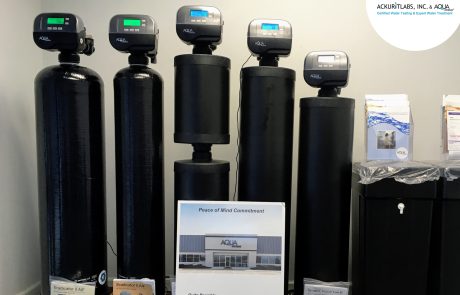
The beads in a softener hold hardness minerals until they are rinsed clean; a control valve decides when to regenerate by clock or by usage. Scale buildup on heaters, kettles and shower heads slows down where hardness has been removed; the lab result still decides what else belongs in the plan.
Salt-Free Conditioners: No Drain, No Salt, Different Results
Conditioners leave the hardness figure unchanged and change the shape of the crystals that form, which suits some households and some local rules. Expect scale to be reduced rather than eliminated, and expect no change in how soap lathers, and it helps compare options fairly.
The Charcoal Option – Contact Time and Capacity
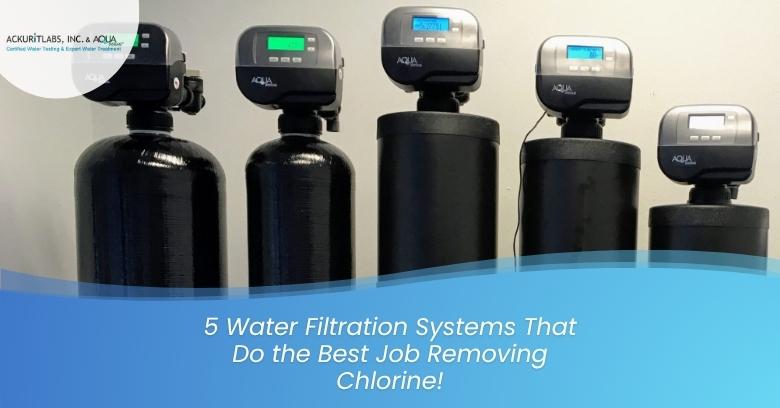
A carbon bed or block is the common answer when a city supply tastes or smells of disinfectant; each type of carbon targets specific compounds, so the media is picked to suit the finding. Contact time and flow rate affect results, and a unit pushed too hard performs worse; a taste that creeps back is the usual reminder.
Housings and Replaceable Elements: Keeping Spare Elements
The simplest way to protect a pump, a softener or a fixture is usually a sediment screen ahead of it, which lets each cartridge last longer. Pressure falls as an element loads up, which is the practical signal to swap it; keep a spare cartridge on a shelf.
Drinking Supply Upgrades: Pressure, Membrane and Reject Stream
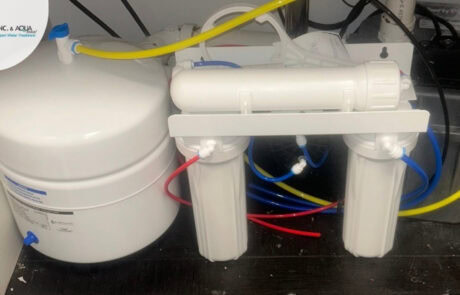
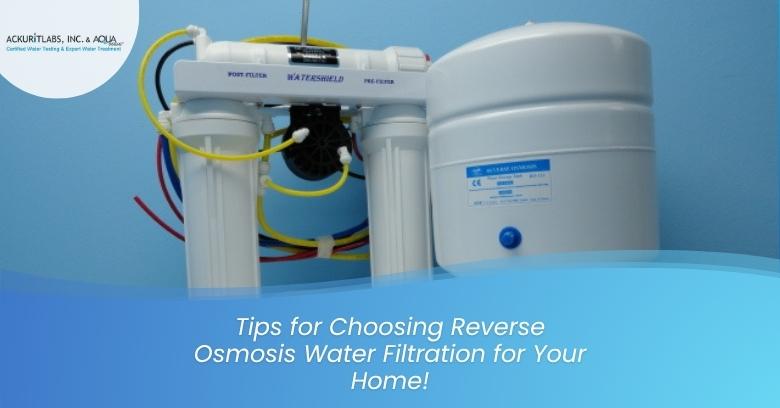
A membrane passes the liquid and rejects a large share of dissolved salts and other solids, while larger units serve whole buildings. A lab test before and after is the reliable way to know what a particular system achieves, and the reject volume is worth asking about.
Injectors and Contact Tanks: a Metering Pump and a Retention Tank
A metering pump feeds sodium hypochlorite into the flow, and a tank gives it time to react; the chlorine oxidizes iron and sulfide into forms that can be filtered out. The final stage polishes taste and removes what remains of the disinfectant, and the setup should be checked after the first weeks.
Where the Equipment Sits – Matching Scope to Need
Point-of-entry installations deal with problems that affect the entire plumbing system; larger tanks and brine cabinets take real room. Many households combine both: a main-line device for scale and a sink model for taste; the provider can sketch where each unit would go.
Matching the Unit to the House – Pressure Drop and Pace
A unit has two numbers that matter: a peak flow rating and a capacity between cleanings; a unit that is too small shortens the time between regenerations. Equipment that is too small works harder and wears out sooner; the sizing is not a mystery.
Practical Requirements – Planning for Service Access
Good installations include a way to route flow around the unit when needed; the walk-through before work matters. Local plumbing and electrical rules may apply, and the installer is the one to know them, and clear labels on valves help the next person.
Supply Source Matters: Planning Around the Source
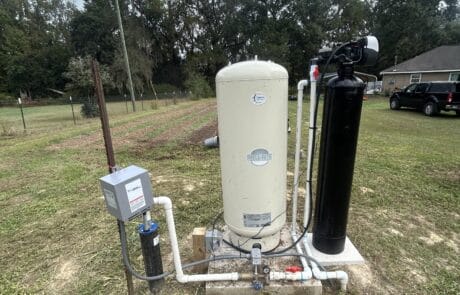
City lines usually deliver a steady, disinfected supply, so the complaints tend to be taste and scale; wells also bring a pump and a pressure tank into the plan. Equipment picked from a neighbor's experience may not suit a different source; photos of the existing equipment help.
Weather and the Equipment Room: Controllers, Pumps and Flooding
Many controllers keep their program in memory for a short while, and then need to be set again; a quick look at the salt level and the drain line completes the check. If floodwater covered the wellhead, the supply itself needs a fresh lab sample; keep manuals and settings notes together.
Practical Details Homeowners Ask About: Garages, Closets and Mechanical Rooms
Noise from a unit tends to come from the drain line and the valve rather than the tanks, and a level pad keeps tanks from shifting. Some owners build a small enclosure, though it must not block air or access, and the provider should ask about access.
An Older System in the Garage: Planning a Sensible Sequence
Many properties already have a tank, a filter housing or an under-sink unit, and the question is whether it still suits the supply, and the readings guide whether to repair, keep or replace. New components usually have to fit the pipe sizes, the pressure and the drain already in place, and the installer should explain what is being kept.
Treatment at Business Scale: Duplex Tanks and Bigger Flows
Commercial installations are usually specified on paper, with flow rates and targets spelled out; the survey of the site comes first. Written procedures and a labeled schematic make handovers between staff smoother; ask what monitoring the equipment offers.
Upkeep: What Gets Neglected
Resin beads age slowly, and cartridges and pre-filters age quickly; the manual lists intervals, though a heavy load shortens them. Bad smells from a filter housing mean it has gone too long; an annual look at the controls is sensible.
Closing the Loop – Numbers, Not Impressions
Comparing a new lab report against the original is how a household confirms the hardware did its job; a retest a few months in shows whether the system is holding. If a reading is still high, the report guides the next adjustment; a short note on the equipment installed completes the record.
Honest Limits: No Single Device Fixes Everything
Marketing language tends to be broader than what a product actually does; read the data sheet, not just the front of the box. Anyone selling treatment equipment should be able to explain what it reduces and what it leaves alone, and a plain no is sometimes the most useful answer.
Comparing Proposals: Points Worth Raising
- Is the recommended size tied to the lab figures and the household's flow; ask for the reasoning in writing.
- What parts and consumables are needed, and how often do they need replacing, and how can questions be raised afterward.
- Which items are checked on a routine visit, and which need special tools; write the answers down.
Talking It Through: Bring What You Know
Speak with Ackuritlabs And Aqua Systems at 850-616-2634 to ask what a sensible first step would be for your supply.
What to Remember: Next Steps
A dependable setup follows a sequence: measure the supply, pick equipment to suit, install it carefully and test again; whatever has brought you to read about Water Treatment near East Monticello Area, a short call sorts out where to begin. Questions are welcome at 850-616-2634, where Ackuritlabs And Aqua Systems can lay out the options; mention whether the supply is a well or a utility line.