Weighing Options for Water Filter Installation Across Monticello Florida?
Each piece of hardware on the market answers a particular complaint, and none answers all of them; the sections below describe what each option does and where it stops.
Contact Ackuritlabs And Aqua Systems at 850-616-2634 and describe the stains, scale or smells you want gone.
Before Any Equipment: a Lab Number Beats a Guess
Orange stains, chalky scale and a swampy smell can each have a separate cause, and each calls for different gear, and the figure is what a provider uses to size and pick the unit. Where no result exists yet, a provider can often suggest what to measure; patience at this stage tends to save money later.
Softening: How the Resin Works
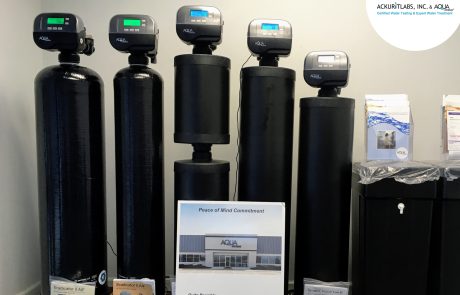
The beads in a softener hold hardness minerals until they are rinsed clean; when the beads fill up, a brine rinse flushes the captured minerals to a drain. Where a softener is sized correctly, white crust becomes much less of a chore, and it will not change the taste of the supply on its own.
Salt-Free Conditioners – Setting Expectations
A salt-free unit does not remove calcium or magnesium; it alters how those minerals behave; people choose these devices to avoid salt, brine discharge and a drain connection. Anyone expecting the soft feel of a true softener should know the two are different things, and it helps compare options fairly.
Adsorption Media: Matching Carbon to the Target
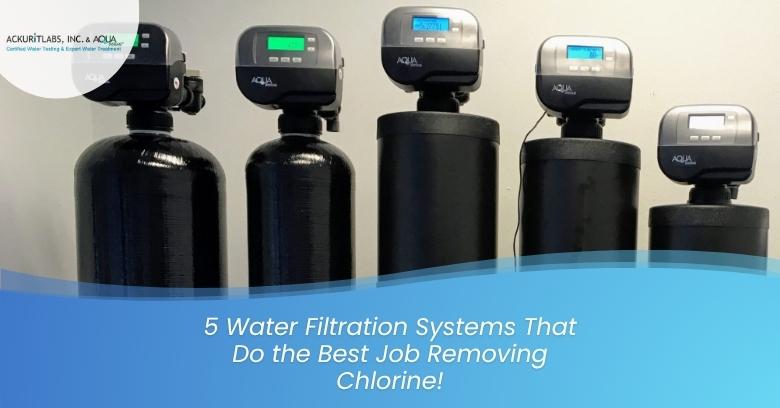
Carbon holds onto certain compounds as supply passes through, which cuts chlorine taste and some odors, and ordinary carbon handles free chlorine more easily than chloramine. Every carbon filter eventually fills up, so replacement or backwashing is part of owning one; a pre-filter often extends the life of the carbon.
Spun, Pleated and Wound Media – Why Order Matters
Particle filters are the first stage in many systems, catching whatever would clog the rest, and the sequence is part of the design. Carbon cartridges, including carbon block types, often sit downstream of the sediment stage; write the swap date on the canister.
The Under-Sink Purifier – Dissolved Solids Reduced
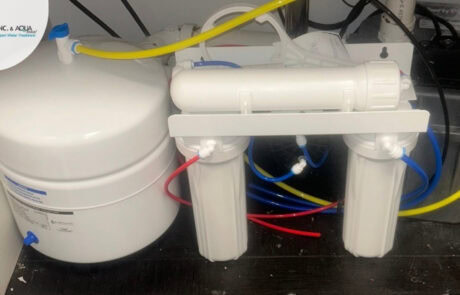
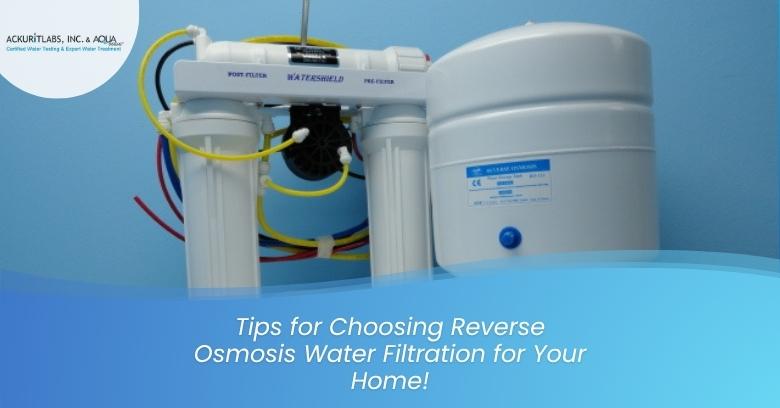
A membrane passes the liquid and rejects a large share of dissolved salts and other solids; compact units fit under a sink and serve a single tap. Reverse osmosis units reduce many dissolved substances, though performance varies by model and by supply; a leak sensor is a sensible add-on.
Oxidation Systems: a Metering Pump and a Retention Tank
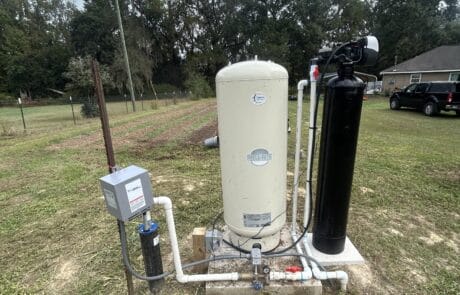
Where a well carries iron, sulfur or microbes, injecting chlorine is a long-established approach; the chlorine oxidizes iron and sulfide into forms that can be filtered out. Residual chlorine has to be removed afterward, and a carbon filter normally takes that job; chemicals are stored and handled according to the label.
Point of Entry Versus Point of Use: What Each Layout Covers
Everything inside the building sees treated flow when equipment sits at the entry; larger tanks and brine cabinets take real room. Where only one fixture matters, a compact installation avoids treating the whole house; a layout on paper avoids surprises.
Matching the Unit to the House: Room to Grow
A unit has two numbers that matter: a peak flow rating and a capacity between cleanings; a unit that is too small shortens the time between regenerations. An undersized system forces flow past the media too fast, which weakens the result; a reasoned answer is a good sign.
Installation Details: Bypass Valves, Drains and Outlets
Good installations include a way to route flow around the unit when needed; chlorine feed pumps and contact tanks add their own requirements. Codes affect drain connections, backflow protection and the placement of equipment; measure before ordering.
Private Source or Public Main – Pressure Tanks and Pumps
City lines usually deliver a steady, disinfected supply, so the complaints tend to be taste and scale, and the right system differs accordingly. Equipment picked from a neighbor's experience may not suit a different source; photos of the existing equipment help.
After an Outage: What to Check Afterward
A unit left without power may skip a scheduled recharge, which leaves the media tired when flow resumes; a quick look at the salt level and the drain line completes the check. A flooded system should be shut off and checked before use, since damage is not always visible; write down the shutoff locations.
Noise, Space and Appearance – Reaching the Controls
Compressors and pumps are the noisiest parts of larger systems, and they normally sit in a mechanical space, which is worth thinking through before delivery. Sunlight can damage clear housings and warm the supply, so shade is sensible outdoors; a tank that cannot get through a doorway is a common surprise.
An Older System in the Garage: Test Before Deciding
Equipment bought long ago was chosen for a supply that may have changed since; a fresh lab panel shows whether the present system is still doing its job. Adding a stage to an existing setup requires attention to order, flow rate and pressure drop; ask for a plain list of what changes and what stays.
Larger Buildings and Heavier Demand – Coordinating With Maintenance
Restaurants, offices and apartment buildings draw far more than a house, and the gear is scaled to match; the existing mechanical room often decides what fits. Staff who run the building need to know where the valves are and what each one does, and it supports any later troubleshooting.
Service Schedule: Signs a Unit Needs Attention
Soft supply depends on a brine tank that is kept stocked; a label on each housing with the install date helps. Bad smells from a filter housing mean it has gone too long; an annual look at the controls is sensible.
The Second Sample: When to Retest
A sample collected after the system is running shows whether the problem was solved, which matters for cartridges and media that wear. Treatment can reduce certain items without eliminating them, and the report shows by how much; the file is useful for a future sale.
Limits to Keep in Mind: Questions for Any Seller
Each technology removes some things and leaves others, so a layered setup is common; claims about results should point to a published test method. If a proposal does not mention the lab results, ask how it was reached; nothing here replaces advice for your property.
What to Ask at the Door: Scope, Parts and Follow-Up
- Which lab results is the proposal based on, and which items does it address, and what stays the same afterward.
- Which local rules apply to this installation, and who handles them; get the details itemized.
- Which items are checked on a routine visit, and which need special tools; each of these is worth asking.
Talking It Through: Questions Are the Starting Point
Dial Ackuritlabs And Aqua Systems at 850-616-2634 to find out how a system would be planned and sized.
Bringing It Together: Next Steps
A dependable setup follows a sequence: measure the supply, pick equipment to suit, install it carefully and test again, and everything above about Water Filter Installation in Monticello Florida is general background, not a verdict. You can speak with Ackuritlabs And Aqua Systems at 850-616-2634 about your plumbing and your goals; the details you share shape the advice.
Verified

Verified
Verified
Verified
Verified