Weighing Options for Water Softeners for a Property in Monticello Florida?
Good installations start from a lab result and work toward a device that suits it, and the sections below explain how the common options differ.
Call Ackuritlabs And Aqua Systems at 850-616-2634 to ask how an installation is planned.
Where Treatment Begins: Naming the Target
Orange stains, chalky scale and a swampy smell can each have a separate cause, and each calls for different gear; a sample sent to a laboratory turns a guess into a figure. Anyone without a recent report can usually be pointed to a suitable panel first; the equipment decision waits until the numbers are in.
Softening: Regeneration in Plain Terms
The beads in a softener hold hardness minerals until they are rinsed clean, and the stored brine is topped up with salt as needed. Less mineral reaching the pipes also means less deposit inside them; other equipment handles those jobs.
Scale Control Without Salt: No Drain, No Salt, Different Results
The minerals stay in the supply, but the device nudges them toward forming less scale on surfaces, which suits some households and some local rules. Because the minerals remain, soap and shampoo behave as they would on hard supply, and it helps compare options fairly.
Adsorption Media – Contact Time and Capacity
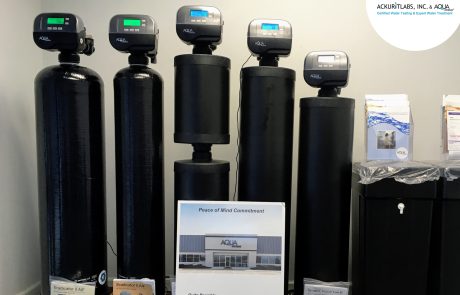
Carbon holds onto certain compounds as supply passes through, which cuts chlorine taste and some odors; it helps to know what the utility adds. Capacity depends on how much is in the supply and how much a household uses, and the provider can estimate a schedule.
Cartridges and Sediment Filters: Keeping Spare Elements
The simplest way to protect a pump, a softener or a fixture is usually a sediment screen ahead of it, and a smaller rating catches finer particles but clogs sooner. Pressure falls as an element loads up, which is the practical signal to swap it; keep a spare cartridge on a shelf.
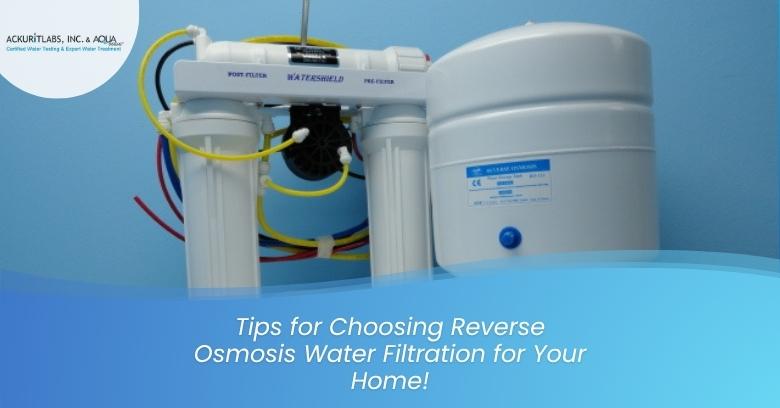
Reverse Osmosis – Storage Tank, Faucet and Drain
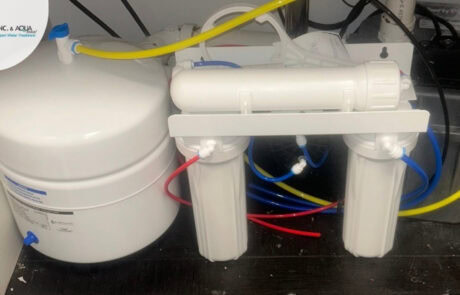
Dissolved solids stay on one side of the membrane and get flushed away; most home units sit under a sink and serve one tap. A lab test before and after is the reliable way to know what a particular system achieves; ask for the maintenance schedule in writing.
Injectors and Contact Tanks – the Carbon Stage Afterward
The setup pairs a feed pump with a retention tank so the chlorine has time to work; time in the tank is what makes the reaction complete. A backwashing filter often follows, clearing the particles the reaction produces, and the setup should be checked after the first weeks.
Scope of a System: Choosing the Footprint
Equipment where the supply enters the building protects all the plumbing downstream; larger tanks and brine cabinets take real room. A point-of-use unit serves a single faucet, usually the kitchen, and suits drinking and cooking; ask for a simple diagram of the plan.
Matching the Unit to the House: What Undersizing Looks Like
Equipment is rated by how fast supply can pass through it and by how much it can treat before servicing; a bigger tank may be the practical answer. Equipment that is too small works harder and wears out sooner, and a vague one deserves a follow-up question.
Space and Connections: the Checklist Behind a Clean Install
Good installations include a way to route flow around the unit when needed; a drain line, an air gap and a nearby outlet come with a softener. Checking with the local office is sensible before anything is cut or glued; measure before ordering.
Private Source or Public Main: Planning Around the Source
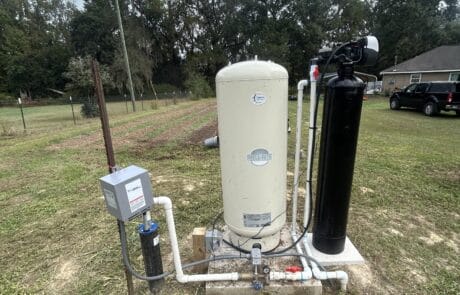
City lines usually deliver a steady, disinfected supply, so the complaints tend to be taste and scale; wells also bring a pump and a pressure tank into the plan. A quick description of the plumbing path is enough to start the right conversation; photos of the existing equipment help.
Storms and Power Interruptions – Protecting Gear From Surge and Silt
Many controllers keep their program in memory for a short while, and then need to be set again, and the manual shows how to reset the controller. If floodwater covered the wellhead, the supply itself needs a fresh lab sample; photographs taken before the season make later comparisons easier.
Living With the Equipment – Placement Decisions That Last
A recharge brings gurgling and flowing noises for a spell, usually at a scheduled hour, and the location is chosen to keep lines short and service easy. Some owners build a small enclosure, though it must not block air or access; a tank that cannot get through a doorway is a common surprise.
An Older System in the Garage – Reading Old Labels
Inherited hardware is worth examining before anything new is added; a fresh lab panel shows whether the present system is still doing its job. Mixing parts from different makers is possible, though compatibility needs checking; ask for a plain list of what changes and what stays.
Treatment at Business Scale – Keeping Service Running
Restaurants, offices and apartment buildings draw far more than a house, and the gear is scaled to match, and a drawing of the proposed layout is a reasonable request. Written procedures and a labeled schematic make handovers between staff smoother, and the provider can supply those if asked.
Routine Care: What Gets Neglected
Filters eventually clog, and carbon eventually saturates, so each has a replacement interval; a simple calendar reminder prevents most lapses. Any change from how the system used to behave is the cue to check it, and a service call beats a failed system.
Closing the Loop – Filing the Evidence
Comparing a new lab report against the original is how a household confirms the hardware did its job; collecting at the same tap, in the same way, keeps the comparison fair. Expect a number lower than before, not necessarily a number of zero; the file is useful for a future sale.
Where Hardware Stops: Misuse and Misfit
A softener will not make a supply taste different, and a carbon filter will not soften it; compare the data sheet with your lab report. Honest answers sound specific, and vague answers sound like a sales line, and the same standard applies to anything written on this page.
What to Ask at the Door: Scope, Parts and Follow-Up
- Is the recommended size tied to the lab figures and the household's flow, and what stays the same afterward.
- What parts and consumables are needed, and how often do they need replacing; clear scope prevents surprises.
- What signs should prompt a call before the next scheduled check; each of these is worth asking.
Start the Conversation: Questions Are the Starting Point
Speak with Ackuritlabs And Aqua Systems at 850-616-2634 to find out how a system would be planned and sized.
Bringing It Together: Test, Choose, Install, Confirm
Every lasting installation rests on a clear diagnosis, a suitable size and regular care, because each property in Monticello Florida has its own story, whatever any page says about Water Softeners. Questions are welcome at 850-616-2634, where Ackuritlabs And Aqua Systems can lay out the options; mention whether the supply is a well or a utility line.
Verified

Verified
Verified
Verified
Verified