Thinking About Water Treatment Company Across Monticello Florida?
Equipment gets chosen to fix a measured problem, and the fix is only as good as the diagnosis behind it; read on for how the pieces fit together.
Call Ackuritlabs And Aqua Systems at 850-616-2634 and describe the stains, scale or smells you want gone.
Before Any Equipment: a Lab Number Beats a Guess
Orange stains, chalky scale and a swampy smell can each have a separate cause, and each calls for different gear, which keeps the proposal tied to evidence. A first conversation commonly ends with advice on what to sample before the next step; the equipment decision waits until the numbers are in.
Taking Out Hardness: a Bed of Beads and a Brine Tank
The core of a standard softener is a resin bed that exchanges hardness minerals for a softer ion; when the beads fill up, a brine rinse flushes the captured minerals to a drain. Scale buildup on heaters, kettles and shower heads slows down where hardness has been removed, though a softener does little for iron staining beyond a modest level.
Scale Control Without Salt: What They Do and Do Not Do
A salt-free unit does not remove calcium or magnesium; it alters how those minerals behave, and maintenance is limited to replacing the media on a schedule. A conditioner will not give the slick feel that a softened supply has in the shower, and a good provider explains that before the purchase.
Taste and Odor Control – Contact Time and Capacity
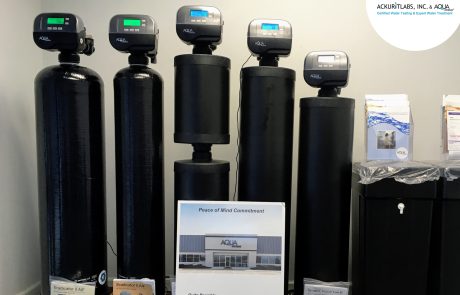
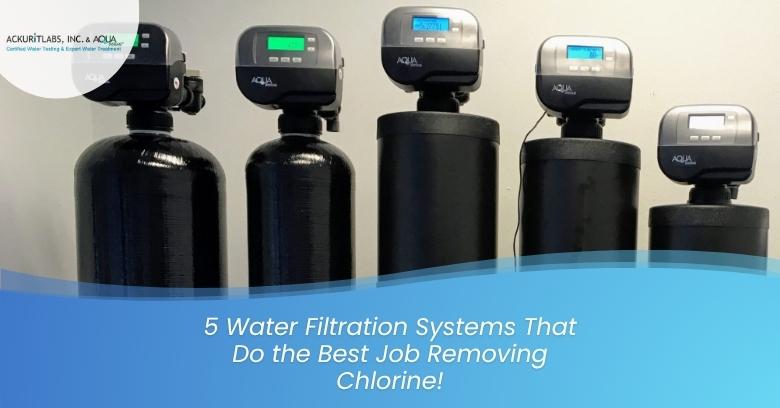
Carbon holds onto certain compounds as supply passes through, which cuts chlorine taste and some odors; each type of carbon targets specific compounds, so the media is picked to suit the finding. Every carbon filter eventually fills up, so replacement or backwashing is part of owning one, and the provider can estimate a schedule.
Housings and Replaceable Elements – Catching Grit Before It Travels On
A housing on the line holds a cartridge that screens out particles above a chosen size, which lets each cartridge last longer. Pressure falls as an element loads up, which is the practical signal to swap it; keep a spare cartridge on a shelf.
High-Pressure Polishing – Dissolved Solids Reduced
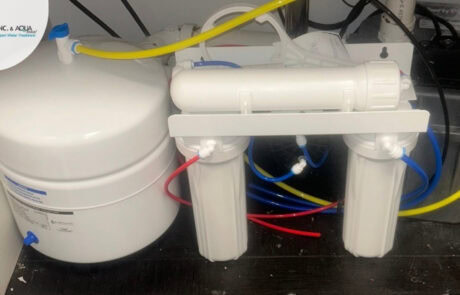
Pressure pushes the supply against a semipermeable membrane, and most dissolved material is held back; most home units sit under a sink and serve one tap. The reduction achieved depends on membrane condition, pressure and what is in the feed; a leak sensor is a sensible add-on.
Oxidation Systems – Time, Dose and Cleanup
A chlorine injector meters a small amount of disinfectant into the line ahead of a holding tank; time in the tank is what makes the reaction complete. Residual chlorine has to be removed afterward, and a carbon filter normally takes that job, and chemical equipment is installed and set up with care.
Scope of a System – Matching Scope to Need
A unit at the main line treats every tap, the shower, the washer and the water heater; the flow at the entry is worth measuring before ordering. Single-tap filters and membranes work where only drinking supply needs the extra step; a layout on paper avoids surprises.
Sizing – Pressure Drop and Pace
Equipment is rated by how fast supply can pass through it and by how much it can treat before servicing; a bigger tank may be the practical answer. An undersized system forces flow past the media too fast, which weakens the result, and a vague one deserves a follow-up question.
Installation Details: the Checklist Behind a Clean Install
Valves around the equipment allow it to be taken out of service in minutes; a drain line, an air gap and a nearby outlet come with a softener. Codes affect drain connections, backflow protection and the placement of equipment; leave room to open the tank lid and swap a cartridge.
Wells Versus City Lines – Raw Groundwater Versus Treated
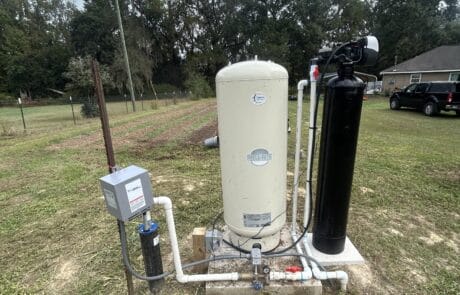
A well has no utility between it and the tap, so equipment often handles more of the load; sediment and iron tend to be the early concerns. A carbon unit that suits a city line may be useless against the main problem of a well; each property gets its own plan.
When the Lights Go Out: Planning Before the Season
Many controllers keep their program in memory for a short while, and then need to be set again; a quick look at the salt level and the drain line completes the check. Silt in a housing, a wet motor or a corroded joint can turn a repair into a replacement, and the provider can describe what a post-storm check involves.
Day-to-Day Presence: Keeping the Area Tidy
Most residential units are quiet, and the sounds they make are short bursts when a valve cycles or a recharge runs, and a level pad keeps tanks from shifting. Equipment is easiest to live with when the controls and the drain sit where a person can reach them; a tank that cannot get through a doorway is a common surprise.
Inherited Hardware: Compatibility With Present Plumbing
Equipment bought long ago was chosen for a supply that may have changed since; the model number on the label usually leads to a manual and a parts list. Mixing parts from different makers is possible, though compatibility needs checking, and the installer should explain what is being kept.
Treatment at Business Scale: Written Specifications
Restaurants, offices and apartment buildings draw far more than a house, and the gear is scaled to match, and a controller can log regeneration cycles. Commercial owners usually want service records, so the system should make them easy to keep; a log of salt, media and filter changes helps.
Service Schedule: Salt, Cartridges and Media
Resin beads age slowly, and cartridges and pre-filters age quickly; keep the paperwork in one place. Noisy valves, salt bridges in the tank and slow flow are signs worth a look; do not wait for a complete failure.
Verifying What Changed: When to Retest
Comparing a new lab report against the original is how a household confirms the hardware did its job; collecting at the same tap, in the same way, keeps the comparison fair. If a reading is still high, the report guides the next adjustment; store copies where they can be found.
Where Hardware Stops – Read the Fine Print
Each technology removes some things and leaves others, so a layered setup is common; compare the data sheet with your lab report. A provider unwilling to discuss limits is one to think twice about, and the same standard applies to anything written on this page.
What to Ask at the Door – Written Answers Preferred
- Which readings on the report are meant to change, and which are not expected to, and what stays the same afterward.
- Who installs the equipment, and who services it after the job is done; ask for a copy of the manuals too.
- What signs should prompt a call before the next scheduled check; each of these is worth asking.
Start the Conversation: Questions Are the Starting Point
Call Ackuritlabs And Aqua Systems at 850-616-2634 and describe the house, the plumbing and what you want changed.
What to Remember – Upkeep Keeps It Working
Good outcomes come from habits worth repeating: testing first, buying second and checking afterward; this page on Water Treatment Company in Monticello Florida is a starting point, and the details of each property decide the rest. The number to call is 850-616-2634, and the conversation is the first step; mention whether the supply is a well or a utility line.
Verified

Verified
Verified
Verified
Verified