Thinking About Water Filter Installation Throughout Newport Florida?
Each piece of hardware on the market answers a particular complaint, and none answers all of them, and the sections below cover sizing, setup and upkeep.
Call Ackuritlabs And Aqua Systems at 850-616-2634 and describe the stains, scale or smells you want gone.
Diagnosis First: a Lab Number Beats a Guess
Three households with the same complaint can need three different systems, because the underlying chemistry differs; most reputable providers ask for results before quoting a system. Even a brief description of the symptoms helps decide which measurements to order, and the choice of equipment follows once the numbers arrive.
Ion Exchange – Swapping Minerals for Sodium or Potassium
Inside the tank, tiny resin beads attract the minerals that cause scale and give up sodium or potassium in return, and a salt or potassium brine recharges the bed on a schedule. Scale buildup on heaters, kettles and shower heads slows down where hardness has been removed, and it will not change the taste of the supply on its own.
Scale Control Without Salt – Changing How Scale Forms
These devices work on how scale sticks, and they do not strip the minerals out, though results vary with the water and the model. Anyone expecting the soft feel of a true softener should know the two are different things, and a good provider explains that before the purchase.
Carbon Filtration: Chlorine, Odors and Organic Traces
Carbon holds onto certain compounds as supply passes through, which cuts chlorine taste and some odors, and ordinary carbon handles free chlorine more easily than chloramine. Capacity depends on how much is in the supply and how much a household uses, and the provider can estimate a schedule.
Canisters on the Line: Sizes, Ratings and Swaps
Particle filters are the first stage in many systems, catching whatever would clog the rest, which lets each cartridge last longer. Putting stages in the wrong order shortens the life of the costlier cartridge, and a pressure gauge on each side of the housing makes that visible.
Reverse Osmosis: Where It Sits and What It Wastes
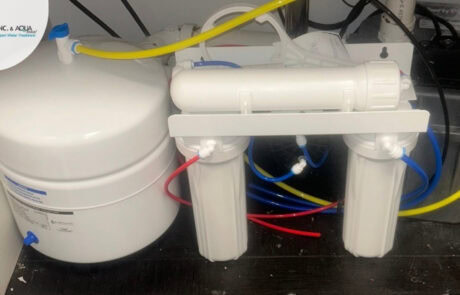
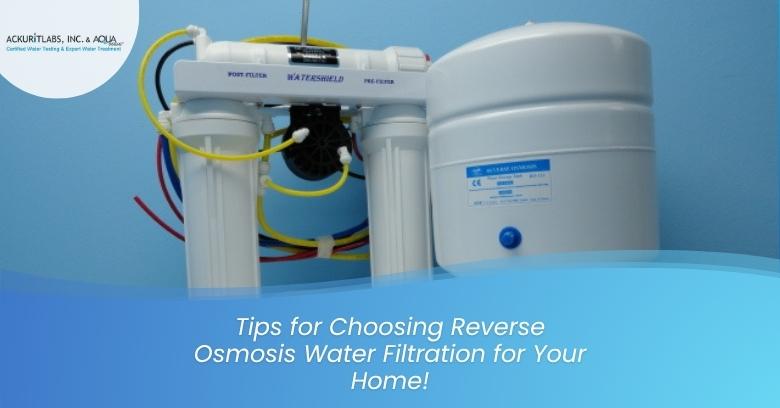
The membrane is the center of the system, flanked by pre-filters and a final carbon stage; compact units fit under a sink and serve a single tap. Reverse osmosis units reduce many dissolved substances, though performance varies by model and by supply, and the reject volume is worth asking about.
Treating Iron, Sulfur and Microbes – the Carbon Stage Afterward
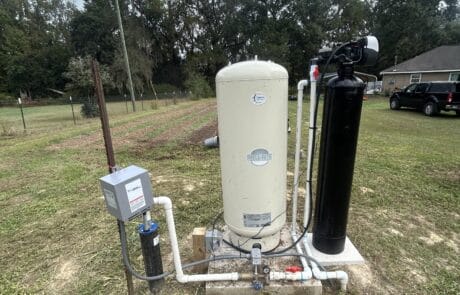
A pump, a tank and a backwashing filter form the heart of a chlorination setup, and it also acts on bacteria in the supply. A backwashing filter often follows, clearing the particles the reaction produces; a wrong dose helps nobody.
Scope of a System: What Each Layout Covers
Everything inside the building sees treated flow when equipment sits at the entry; larger tanks and brine cabinets take real room. Smaller units at one sink target what people drink, leaving the rest of the plumbing alone; a layout on paper avoids surprises.
Flow Rate and Capacity – Pressure Drop and Pace
The size of the housing and the volume of media set how much a system can handle, along with the hardness or iron level on the lab report. Oversizing has drawbacks too, since idle media can foul and extra tanks need space, and a vague one deserves a follow-up question.
Plumbing, Power and Drain Needs – Planning for Service Access
A bypass lets the household isolate a unit without shutting off the whole supply, and electrical needs vary from a plug-in transformer to a dedicated circuit. Whoever does the installation should be able to say what the local rules ask for; a tidy install is easier to maintain.
Wells Versus City Lines: Chlorine Added or Not
City lines usually deliver a steady, disinfected supply, so the complaints tend to be taste and scale, and equipment has to work with the pump's pressure and flow. A carbon unit that suits a city line may be useless against the main problem of a well; neighbors on the same aquifer can still differ.
Hurricane-Season Readiness: What to Check Afterward
Softeners and filters with electronic controllers can lose their settings in a long outage unless a backup battery holds them, and the manual shows how to reset the controller. Anything touched by flooding, including a well pump and chemical feed gear, deserves a professional look; photographs taken before the season make later comparisons easier.
Living With the Equipment: Keeping the Area Tidy
A recharge brings gurgling and flowing noises for a spell, usually at a scheduled hour, and the location is chosen to keep lines short and service easy. Leaving room to open lids, change cartridges and read gauges makes upkeep a quick job; a sketch of the space helps the planning.
Upgrading What Is Already There – Keep, Repair or Replace
Inherited hardware is worth examining before anything new is added, and the readings guide whether to repair, keep or replace. Adding a stage to an existing setup requires attention to order, flow rate and pressure drop; photographs of the current setup speed up the first conversation.
Larger Buildings and Heavier Demand – Coordinating With Maintenance
Larger buildings may need several tanks and manifolds, not one household unit, and a drawing of the proposed layout is a reasonable request. Staff who run the building need to know where the valves are and what each one does; a log of salt, media and filter changes helps.
Routine Care: What Gets Neglected
Every type of equipment has a consumable: salt for softeners, cartridges for filters, membranes for osmosis units; a label on each housing with the install date helps. If stains come back, or the taste creeps back, something in the chain has used up its capacity; the provider can inspect and adjust.
Verifying What Changed – Filing the Evidence
Comparing a new lab report against the original is how a household confirms the hardware did its job; collecting at the same tap, in the same way, keeps the comparison fair. A result that falls short is information, and it points to what to add or change; dates on everything keep the record clear.
Honest Limits: Misuse and Misfit
Each technology removes some things and leaves others, so a layered setup is common; ask how that is demonstrated. Anyone selling treatment equipment should be able to explain what it reduces and what it leaves alone, and a plain no is sometimes the most useful answer.
What to Ask at the Door: Points Worth Raising
- Does the plan name the substances it targets, rather than speaking in general terms, and what stays the same afterward.
- Who installs the equipment, and who services it after the job is done; clear scope prevents surprises.
- Where should the paperwork for the system be stored; ask about it before work starts.
Start the Conversation: Describe the Problem First
Contact Ackuritlabs And Aqua Systems at 850-616-2634 and describe the house, the plumbing and what you want changed.
Pulling the Threads – Upkeep Keeps It Working
A dependable setup follows a sequence: measure the supply, pick equipment to suit, install it carefully and test again; whatever has brought you to read about Water Filter Installation near Newport Florida, a short call sorts out where to begin. Questions are welcome at 850-616-2634, where Ackuritlabs And Aqua Systems can lay out the options; the call goes quickly.
Verified

Verified
Verified
Verified
Verified