Need Water Softening Around Newport Florida?
Matching the device to the finding is what separates a useful installation from a blind guess; the sections below put the options in plain language.
Call Ackuritlabs And Aqua Systems at 850-616-2634 to ask which questions come before any equipment.
The Order of Operations – Results Decide the Hardware
Orange stains, chalky scale and a swampy smell can each have a separate cause, and each calls for different gear, and the figure is what a provider uses to size and pick the unit. Even a brief description of the symptoms helps decide which measurements to order; skipping ahead is where most mismatches begin.
Taking Out Hardness – Swapping Minerals for Sodium or Potassium
The beads in a softener hold hardness minerals until they are rinsed clean; the unit needs a drain line and a power outlet. Softened supply leaves less scale on fixtures, glass and heating elements, though a softener does little for iron staining beyond a modest level.
Alternatives to the Brine Tank: No Drain, No Salt, Different Results
These devices work on how scale sticks, and they do not strip the minerals out, which suits some households and some local rules. Anyone expecting the soft feel of a true softener should know the two are different things; asking for a plain description of the outcome avoids disappointment.
Adsorption Media: Matching Carbon to the Target
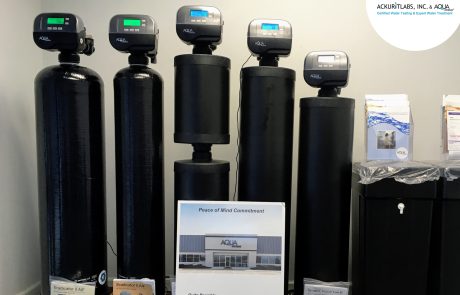
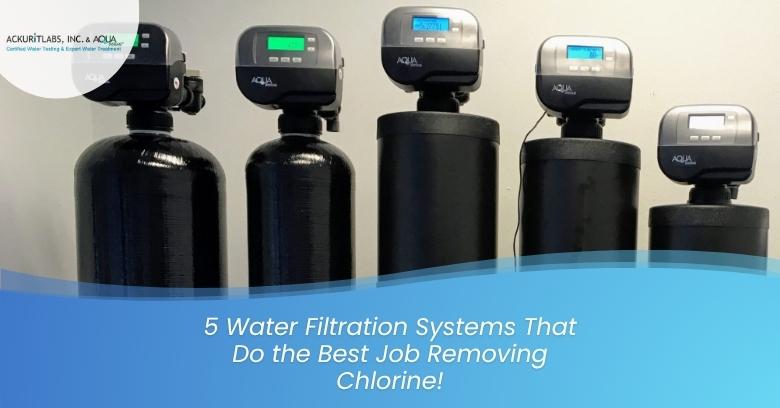
Filters based on carbon are the usual choice for chlorine taste and many household odors; it helps to know what the utility adds. Capacity depends on how much is in the supply and how much a household uses; keeping a date on the housing is a good habit.
Housings and Replaceable Elements: Keeping Spare Elements
The simplest way to protect a pump, a softener or a fixture is usually a sediment screen ahead of it, which lets each cartridge last longer. Pressure falls as an element loads up, which is the practical signal to swap it, and a pressure gauge on each side of the housing makes that visible.
Reverse Osmosis – Dissolved Solids Reduced
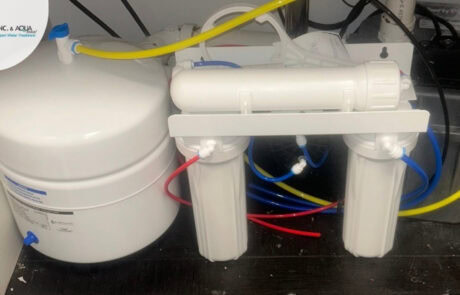
Dissolved solids stay on one side of the membrane and get flushed away; compact units fit under a sink and serve a single tap. Some units add minerals back after the membrane to adjust taste, and the reject volume is worth asking about.
Feeding Chlorine Into the Line: What the Installer Sets Up
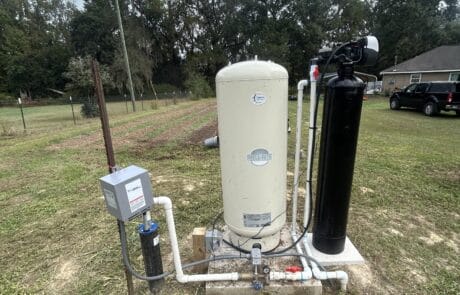
A pump, a tank and a backwashing filter form the heart of a chlorination setup, and it also acts on bacteria in the supply. A backwashing filter often follows, clearing the particles the reaction produces; a wrong dose helps nobody.
Where the Equipment Sits – Matching Scope to Need
Equipment where the supply enters the building protects all the plumbing downstream; the flow at the entry is worth measuring before ordering. Many households combine both: a main-line device for scale and a sink model for taste; a layout on paper avoids surprises.
Choosing a Capacity: Room to Grow
A unit has two numbers that matter: a peak flow rating and a capacity between cleanings; a unit that is too small shortens the time between regenerations. An undersized system forces flow past the media too fast, which weakens the result; ask to see the numbers behind the recommendation.
Space and Connections – Codes and Neighbors
A bypass lets the household isolate a unit without shutting off the whole supply; the installer plans the route up front. Local plumbing and electrical rules may apply, and the installer is the one to know them, and clear labels on valves help the next person.
Wells Versus City Lines – Raw Groundwater Versus Treated
A well has no utility between it and the tap, so equipment often handles more of the load, whereas chlorine and chloramine lead the list on a city line. The provider needs to know which source feeds the house before suggesting anything; each property gets its own plan.
Hurricane-Season Readiness: Planning Before the Season
A unit left without power may skip a scheduled recharge, which leaves the media tired when flow resumes, and the manual shows how to reset the controller. Anything touched by flooding, including a well pump and chemical feed gear, deserves a professional look; photographs taken before the season make later comparisons easier.
Living With the Equipment – Reaching the Controls
Compressors and pumps are the noisiest parts of larger systems, and they normally sit in a mechanical space, and a level pad keeps tanks from shifting. Equipment is easiest to live with when the controls and the drain sit where a person can reach them; a sketch of the space helps the planning.
Upgrading What Is Already There: Compatibility With Present Plumbing
Many properties already have a tank, a filter housing or an under-sink unit, and the question is whether it still suits the supply; a fresh lab panel shows whether the present system is still doing its job. The simplest upgrade is often a fresh set of cartridges or media, not a new system, and the installer should explain what is being kept.
Equipment for Operations – Keeping Service Running
Restaurants, offices and apartment buildings draw far more than a house, and the gear is scaled to match, and a controller can log regeneration cycles. Written procedures and a labeled schematic make handovers between staff smoother, and the provider can supply those if asked.
Routine Care – Small Tasks That Protect Big Parts
Resin beads age slowly, and cartridges and pre-filters age quickly; a simple calendar reminder prevents most lapses. Warning signs include a return of the old taste, scale reappearing and a drop in pressure; the provider can inspect and adjust.
Confirming the Result: Tracking Performance
A sample collected after the system is running shows whether the problem was solved, and the lab can run the identical methods again. Treatment can reduce certain items without eliminating them, and the report shows by how much; dates on everything keep the record clear.
Expectations Worth Setting: Questions for Any Seller
Equipment performs within limits set by its design, the supply and the upkeep; ask for the specific substances a product addresses. A fair provider will tell you when equipment is not the fix, or not the whole fix; nothing here replaces advice for your property.
Before You Sign – Everything in Writing
- Which readings on the report are meant to change, and which are not expected to, and what stays the same afterward.
- Where will the drain, the power and the bypass go, and what will be cut or moved; get the details itemized.
- Which items are checked on a routine visit, and which need special tools, and what does it say about future servicing.
Talking It Through: Questions Are the Starting Point
Contact Ackuritlabs And Aqua Systems at 850-616-2634 to ask what a sensible first step would be for your supply.
In Plain Terms: Test, Choose, Install, Confirm
Every lasting installation rests on a clear diagnosis, a suitable size and regular care, and everything above about Water Softening in Newport Florida is general background, not a verdict. Questions are welcome at 850-616-2634, where Ackuritlabs And Aqua Systems can lay out the options, and share what the lab report shows.
Verified

Verified
Verified
Verified
Verified