Thinking About Water Treatment Company for a Property in Newport Florida?
Good installations start from a lab result and work toward a device that suits it; the sections below describe what each option does and where it stops.
Contact Ackuritlabs And Aqua Systems at 850-616-2634 to ask which questions come before any equipment.
The Step Ahead of the Purchase – Reading the Problem Correctly
Equipment bought off a shelf may handle a different problem than the one at the tap; most reputable providers ask for results before quoting a system. If the history of the supply is unknown, a baseline panel is the sensible opener, and a short delay beats replacing the wrong unit.
Softening – Swapping Minerals for Sodium or Potassium
The beads in a softener hold hardness minerals until they are rinsed clean, and a salt or potassium brine recharges the bed on a schedule. Softened supply leaves less scale on fixtures, glass and heating elements; other equipment handles those jobs.
Scale Control Without Salt: an Honest Comparison
Nothing is exchanged, so the lab number for hardness reads the same before and after; people choose these devices to avoid salt, brine discharge and a drain connection. A conditioner will not give the slick feel that a softened supply has in the shower; ask what the device will not do.
The Charcoal Option: Why Cartridges Run Out
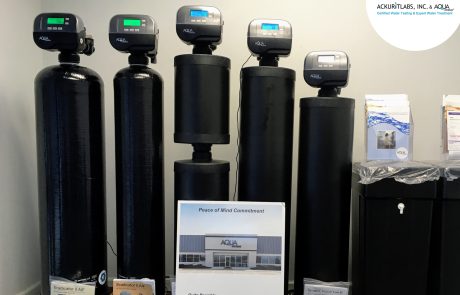
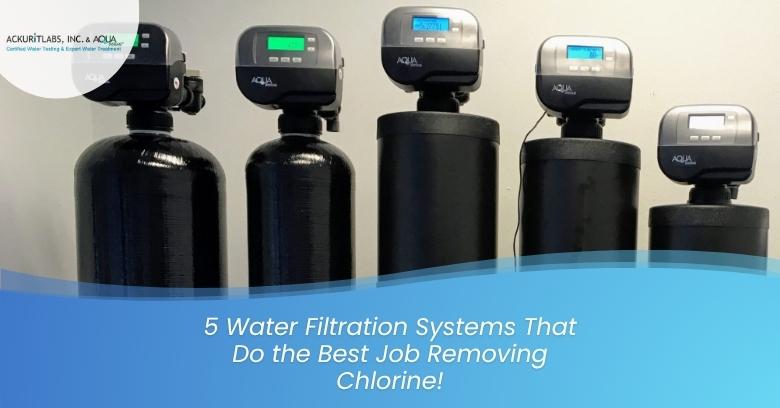
Surfaces inside the carbon grab onto particular chemicals, leaving a cleaner taste behind, and the lab or the utility report can say. Every carbon filter eventually fills up, so replacement or backwashing is part of owning one; keeping a date on the housing is a good habit.
Cartridges and Sediment Filters: Sizes, Ratings and Swaps
The simplest way to protect a pump, a softener or a fixture is usually a sediment screen ahead of it, and the sequence is part of the design. Pressure falls as an element loads up, which is the practical signal to swap it; a wrench for the housing is a worthwhile purchase.
Reverse Osmosis: Fair Expectations
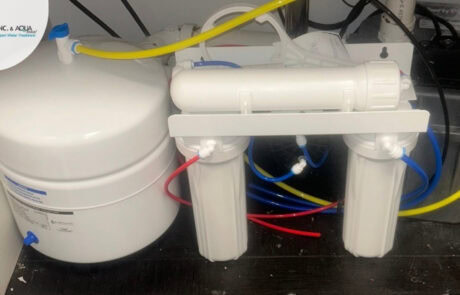
A membrane passes the liquid and rejects a large share of dissolved salts and other solids, and a small storage tank holds finished supply for the dedicated faucet. Some units add minerals back after the membrane to adjust taste, and a membrane may last for a long stretch if it is protected.
Injectors and Contact Tanks – the Carbon Stage Afterward
The setup pairs a feed pump with a retention tank so the chlorine has time to work, and the dose is set from lab readings. Where the supply is meant for drinking, the leftover chlorine is filtered off, and chemical equipment is installed and set up with care.
Whole-House or Single-Tap: Choosing the Footprint
A unit at the main line treats every tap, the shower, the washer and the water heater; larger tanks and brine cabinets take real room. Single-tap filters and membranes work where only drinking supply needs the extra step, and the two approaches work well together.
Sizing: What Undersizing Looks Like
Treating the household's peak demand, not its average, keeps pressure from dropping; the number of bathrooms and people is part of the calculation. Equipment that is too small works harder and wears out sooner, and an installer should explain why a particular size was chosen.
Installation Details: Tying Into Existing Lines
Shutoffs on both sides of a unit make servicing simple, and electrical needs vary from a plug-in transformer to a dedicated circuit. Codes affect drain connections, backflow protection and the placement of equipment; a tidy install is easier to maintain.
Supply Source Matters: Different Problems, Different Gear
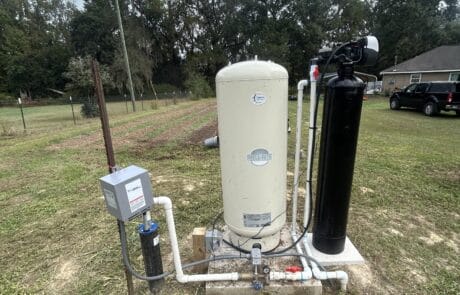
A well has no utility between it and the tap, so equipment often handles more of the load, and equipment has to work with the pump's pressure and flow. A carbon unit that suits a city line may be useless against the main problem of a well; photos of the existing equipment help.
Hurricane-Season Readiness: Planning Before the Season
Softeners and filters with electronic controllers can lose their settings in a long outage unless a backup battery holds them; a quick look at the salt level and the drain line completes the check. Silt in a housing, a wet motor or a corroded joint can turn a repair into a replacement; ask the installer what to do before a storm.
Day-to-Day Presence: Keeping the Area Tidy
Compressors and pumps are the noisiest parts of larger systems, and they normally sit in a mechanical space, and the location is chosen to keep lines short and service easy. Some owners build a small enclosure, though it must not block air or access, and the installer can suggest a layout.
Working With Existing Equipment – Reading Old Labels
Older units may still work but have worn parts, such as seals, valves, resin or membranes, which helps weigh a repair against a new unit. The simplest upgrade is often a fresh set of cartridges or media, not a new system; nothing is replaced without a reason.
When a Property Has Many Users: Written Specifications
Boilers, cooling equipment and ice makers can be sensitive to scale, which shapes the design; a duplex arrangement keeps soft supply flowing through each recharge. Commercial owners usually want service records, so the system should make them easy to keep; a log of salt, media and filter changes helps.
Routine Care – Small Tasks That Protect Big Parts
Treatment is not a one-time purchase, since something wears out or runs low on every system; keep the paperwork in one place. Bad smells from a filter housing mean it has gone too long; do not wait for a complete failure.
Verifying What Changed: Tracking Performance
Nothing beats a repeat panel for showing whether the readings moved; schedule it when the system goes in. Treatment can reduce certain items without eliminating them, and the report shows by how much; a short note on the equipment installed completes the record.
Expectations Worth Setting – Read the Fine Print
No single device removes every substance, and a pitch that one box covers everything deserves doubt; ask for the specific substances a product addresses. A fair provider will tell you when equipment is not the fix, or not the whole fix; clear explanations are the best sign.
Questions for a Provider – Everything in Writing
- What does the proposal assume about hardness, iron and chlorine, and where did those figures come from; a specific answer is what you want.
- How is the unit set up at the start, and what will you be shown before the crew leaves; ask for a copy of the manuals too.
- What does a retest look like, and when is it scheduled; ask about it before work starts.
A Call Before a Purchase: Describe the Problem First
Contact Ackuritlabs And Aqua Systems at 850-616-2634 to ask what a sensible first step would be for your supply.
Pulling the Threads – the Sequence That Works
The reliable path runs from a lab figure, through a sensible choice of equipment, to a retest that shows the change; whatever has brought you to read about Water Treatment Company near Newport Florida, a short call sorts out where to begin. Call 850-616-2634 to reach Ackuritlabs And Aqua Systems and talk over your situation, and share what the lab report shows.
Verified

Verified
Verified
Verified
Verified