Looking for Water Treatment Across Ochlockonee Bay Florida?
Equipment gets chosen to fix a measured problem, and the fix is only as good as the diagnosis behind it, and the sections below cover sizing, setup and upkeep.
Speak with Ackuritlabs And Aqua Systems at 850-616-2634 to talk through what the tap has been doing.
The Order of Operations – Reading the Problem Correctly
Three households with the same complaint can need three different systems, because the underlying chemistry differs; having a report on hand speeds everything up. Anyone without a recent report can usually be pointed to a suitable panel first; skipping ahead is where most mismatches begin.
Softening: a Bed of Beads and a Brine Tank
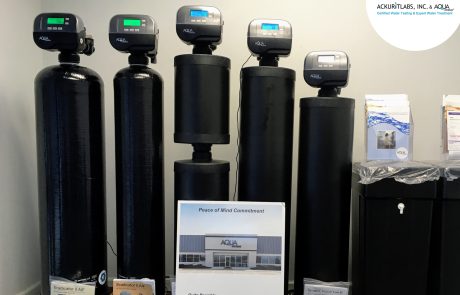
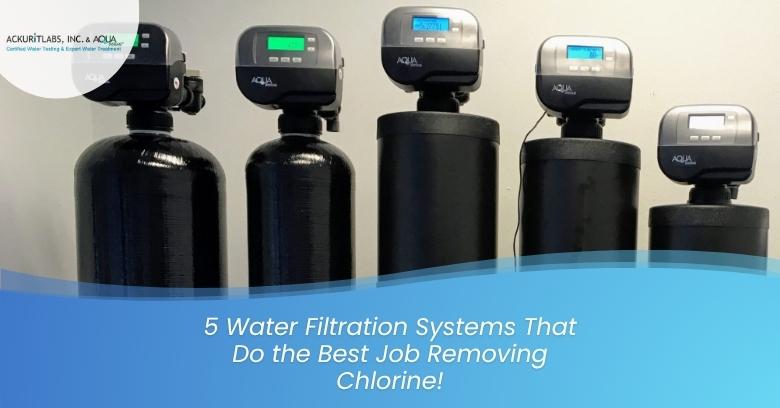
The core of a standard softener is a resin bed that exchanges hardness minerals for a softer ion; a control valve decides when to regenerate by clock or by usage. Scale buildup on heaters, kettles and shower heads slows down where hardness has been removed; the lab result still decides what else belongs in the plan.
Salt-Free Conditioners: What They Do and Do Not Do
The minerals stay in the supply, but the device nudges them toward forming less scale on surfaces; they need no electricity in many designs. Expect scale to be reduced rather than eliminated, and expect no change in how soap lathers, and a good provider explains that before the purchase.
The Charcoal Option: Why Cartridges Run Out
Porous carbon traps many organic molecules and chlorine on its surfaces as flow moves across them; it helps to know what the utility adds. A saturated filter can release what it captured, which is why change schedules matter; keeping a date on the housing is a good habit.
The Filter Under the Cap: Sizes, Ratings and Swaps
The simplest way to protect a pump, a softener or a fixture is usually a sediment screen ahead of it; the rating, given in microns, states how small a particle the element is built to catch. A carbon cartridge installed in the same housing style handles taste while the sediment unit handles grit; write the swap date on the canister.
The Under-Sink Purifier: Pressure, Membrane and Reject Stream
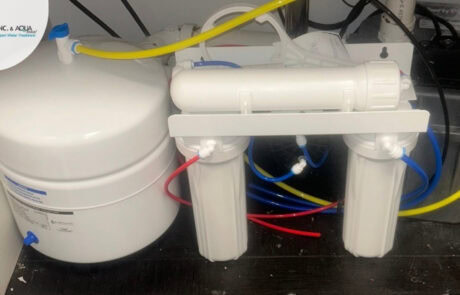
A small pump or the line pressure drives the flow through a membrane with extremely fine pores, while larger units serve whole buildings. A lab test before and after is the reliable way to know what a particular system achieves, and the reject volume is worth asking about.
Chlorination: Why Dose Control Matters
A metering pump feeds sodium hypochlorite into the flow, and a tank gives it time to react; the chlorine oxidizes iron and sulfide into forms that can be filtered out. A backwashing filter often follows, clearing the particles the reaction produces, and the setup should be checked after the first weeks.
Point of Entry Versus Point of Use – Matching Scope to Need
Point-of-entry installations deal with problems that affect the entire plumbing system; larger tanks and brine cabinets take real room. Single-tap filters and membranes work where only drinking supply needs the extra step, and the two approaches work well together.
Sizing – Pressure Drop and Pace
Equipment is rated by how fast supply can pass through it and by how much it can treat before servicing; the number of bathrooms and people is part of the calculation. An undersized system forces flow past the media too fast, which weakens the result; ask to see the numbers behind the recommendation.
Space and Connections: the Checklist Behind a Clean Install
Most systems need a bypass valve so the plumbing can keep flowing during service; the walk-through before work matters. Permits or inspections can be required in some jurisdictions, depending on the work, and access for servicing should be planned from the start.
Wells Versus City Lines: Planning Around the Source
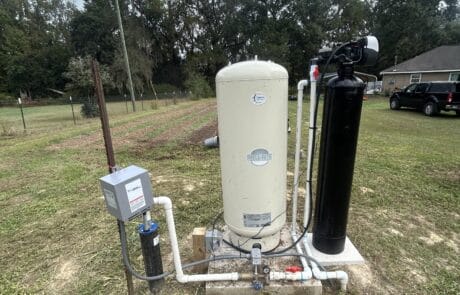
Raw well supply brings the chemistry of the ground straight to the plumbing; wells also bring a pump and a pressure tank into the plan. Because the two sources differ, the same product can be a great fit on one and wasted on the other; photos of the existing equipment help.
After an Outage – Resetting the Clock and the Valve
A unit left without power may skip a scheduled recharge, which leaves the media tired when flow resumes; a quick look at the salt level and the drain line completes the check. Silt in a housing, a wet motor or a corroded joint can turn a repair into a replacement; write down the shutoff locations.
Day-to-Day Presence: Garages, Closets and Mechanical Rooms
Pumps and metering equipment hum when they work, so placement matters for bedrooms and offices; clear floor space around a tank makes salt loading simple. Leaving room to open lids, change cartridges and read gauges makes upkeep a quick job, and the provider should ask about access.
Inherited Hardware: Test Before Deciding
Older units may still work but have worn parts, such as seals, valves, resin or membranes, which helps weigh a repair against a new unit. New components usually have to fit the pipe sizes, the pressure and the drain already in place; ask for a plain list of what changes and what stays.
Equipment for Operations – Keeping Service Running
Business equipment is sized for higher flows and often arranged in pairs so one tank can work while the other recharges, and a controller can log regeneration cycles. Commercial owners usually want service records, so the system should make them easy to keep, and it supports any later troubleshooting.
Service Schedule – Small Tasks That Protect Big Parts
Treatment is not a one-time purchase, since something wears out or runs low on every system; a simple calendar reminder prevents most lapses. Any change from how the system used to behave is the cue to check it, and a service call beats a failed system.
The Second Sample – Numbers, Not Impressions
Measurements taken after setup show the change in black and white, and the lab can run the identical methods again. Expect a number lower than before, not necessarily a number of zero; the file is useful for a future sale.
Honest Limits: Misuse and Misfit
Each technology removes some things and leaves others, so a layered setup is common; ask for the specific substances a product addresses. A fair provider will tell you when equipment is not the fix, or not the whole fix; weigh each source on how specific it is.
What to Ask at the Door: Details That Separate Good Plans
- Which lab results is the proposal based on, and which items does it address, and what stays the same afterward.
- How is the unit set up at the start, and what will you be shown before the crew leaves; clear scope prevents surprises.
- What signs should prompt a call before the next scheduled check; each of these is worth asking.
Talking It Through: Bring What You Know
Call Ackuritlabs And Aqua Systems at 850-616-2634 to find out how a system would be planned and sized.
Bringing It Together: Next Steps
A dependable setup follows a sequence: measure the supply, pick equipment to suit, install it carefully and test again, and everything above about Water Treatment in Ochlockonee Bay Florida is general background, not a verdict. You can speak with Ackuritlabs And Aqua Systems at 850-616-2634 about your plumbing and your goals, and share what the lab report shows.
Verified

Verified
Verified
Verified
Verified