Looking for Carbon Cartridge Filter Installation Around Perry Florida?
Matching the device to the finding is what separates a useful installation from a blind guess; read on for how the pieces fit together.
Contact Ackuritlabs And Aqua Systems at 850-616-2634 to talk through what the tap has been doing.
Diagnosis First – Reading the Problem Correctly
Three households with the same complaint can need three different systems, because the underlying chemistry differs, which keeps the proposal tied to evidence. Where no result exists yet, a provider can often suggest what to measure, and a short delay beats replacing the wrong unit.
Taking Out Hardness – Swapping Minerals for Sodium or Potassium
The core of a standard softener is a resin bed that exchanges hardness minerals for a softer ion; a control valve decides when to regenerate by clock or by usage. Laundry and dishes tend to come out cleaner where the minerals have been removed; the lab result still decides what else belongs in the plan.
Salt-Free Conditioners: an Honest Comparison
The minerals stay in the supply, but the device nudges them toward forming less scale on surfaces, though results vary with the water and the model. Expect scale to be reduced rather than eliminated, and expect no change in how soap lathers; being clear on this point prevents disputes later.
Carbon Filtration – Granular Beds and Blocks
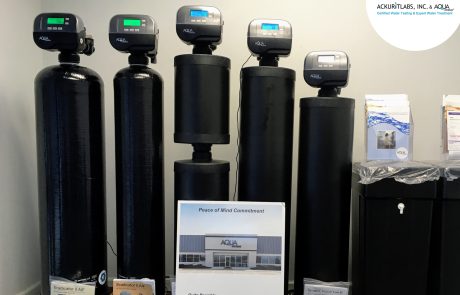
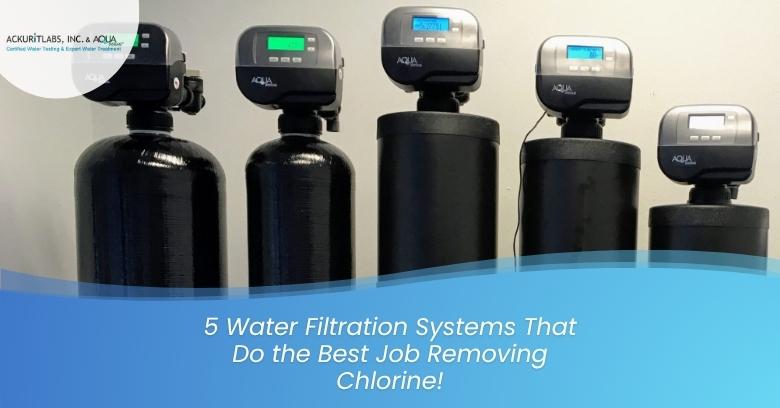
Filters based on carbon are the usual choice for chlorine taste and many household odors, and ordinary carbon handles free chlorine more easily than chloramine. A saturated filter can release what it captured, which is why change schedules matter; a pre-filter often extends the life of the carbon.
Cartridges and Sediment Filters – Catching Grit Before It Travels On
Grit and flakes get stopped by a pleated or wound element sitting in a clear or opaque canister; the rating, given in microns, states how small a particle the element is built to catch. The installer chooses which element goes first, because a clogged first stage starves the rest; write the swap date on the canister.
Drinking Supply Upgrades: Pressure, Membrane and Reject Stream
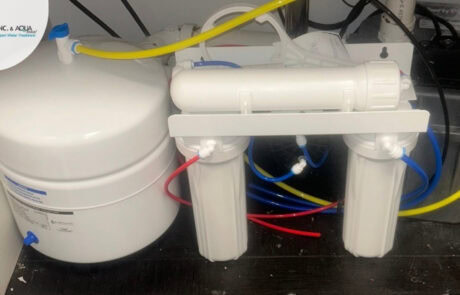
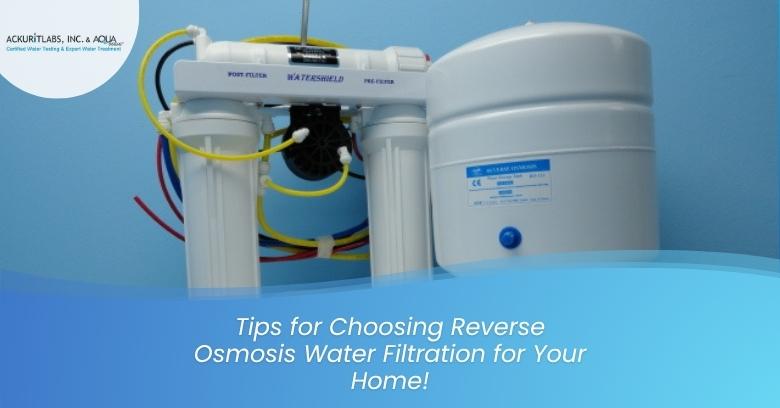
A membrane passes the liquid and rejects a large share of dissolved salts and other solids; most home units sit under a sink and serve one tap. A lab test before and after is the reliable way to know what a particular system achieves; ask for the maintenance schedule in writing.
Oxidation Systems: Why Dose Control Matters
The setup pairs a feed pump with a retention tank so the chlorine has time to work, and it also acts on bacteria in the supply. Where the supply is meant for drinking, the leftover chlorine is filtered off, and chemical equipment is installed and set up with care.
Whole-House or Single-Tap: What Each Layout Covers
Everything inside the building sees treated flow when equipment sits at the entry, and the machinery needs floor space near the main shutoff. Where only one fixture matters, a compact installation avoids treating the whole house, and it shows which walls and lines are involved.
Sizing: What Undersizing Looks Like
Treating the household's peak demand, not its average, keeps pressure from dropping; the number of bathrooms and people is part of the calculation. When a unit is too small, pressure falls at fixtures during busy mornings, and a vague one deserves a follow-up question.
Plumbing, Power and Drain Needs: the Checklist Behind a Clean Install
Most systems need a bypass valve so the plumbing can keep flowing during service; the installer plans the route up front. Codes affect drain connections, backflow protection and the placement of equipment, and clear labels on valves help the next person.
Private Source or Public Main: Chlorine Added or Not
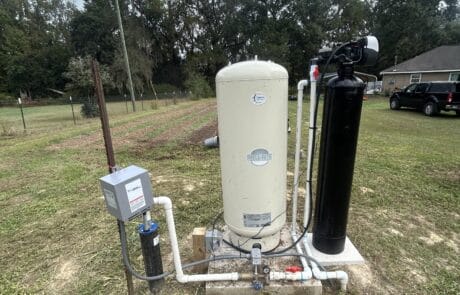
A well has no utility between it and the tap, so equipment often handles more of the load, and the right system differs accordingly. The provider needs to know which source feeds the house before suggesting anything; photos of the existing equipment help.
Hurricane-Season Readiness – Protecting Gear From Surge and Silt
Electronic valves keep time with the power, so a clock that resets can trigger recharges at odd hours; checking the time and the settings after power returns takes a minute. Silt in a housing, a wet motor or a corroded joint can turn a repair into a replacement, and the provider can describe what a post-storm check involves.
Noise, Space and Appearance: Keeping the Area Tidy
Most residential units are quiet, and the sounds they make are short bursts when a valve cycles or a recharge runs, which is worth thinking through before delivery. A tidy installation labels valves, supports the plumbing and keeps the area dry, and the installer can suggest a layout.
Inherited Hardware – Reading Old Labels
A house may come with equipment that nobody remembers installing, so a look at the labels is the first step, which helps weigh a repair against a new unit. The simplest upgrade is often a fresh set of cartridges or media, not a new system, and the installer should explain what is being kept.
Commercial Systems – Coordinating With Maintenance
Larger buildings may need several tanks and manifolds, not one household unit, and a controller can log regeneration cycles. A property manager benefits from a maintenance plan that lists tasks, intervals and who does them, and the provider can supply those if asked.
Keeping Equipment in Shape – Setting Reminders
Resin beads age slowly, and cartridges and pre-filters age quickly; adjust to what the supply actually does. Any change from how the system used to behave is the cue to check it, and a service call beats a failed system.
The Second Sample: Before and After Side by Side
Nothing beats a repeat panel for showing whether the readings moved; a retest a few months in shows whether the system is holding. If a reading is still high, the report guides the next adjustment; the file is useful for a future sale.
Honest Limits: No Single Device Fixes Everything
Marketing language tends to be broader than what a product actually does; read the data sheet, not just the front of the box. Anyone selling treatment equipment should be able to explain what it reduces and what it leaves alone; nothing here replaces advice for your property.
Comparing Proposals – Everything in Writing
- What does the proposal assume about hardness, iron and chlorine, and where did those figures come from, and what stays the same afterward.
- Which local rules apply to this installation, and who handles them; a walk-through at the end is reasonable to ask for.
- Which items are checked on a routine visit, and which need special tools; ask about it before work starts.
Planning a System: Questions Are the Starting Point
Speak with Ackuritlabs And Aqua Systems at 850-616-2634 and ask what to collect before any equipment is chosen.
What to Remember: Test, Choose, Install, Confirm
The reliable path runs from a lab figure, through a sensible choice of equipment, to a retest that shows the change; this page on Carbon Cartridge Filter Installation in Perry Florida is a starting point, and the details of each property decide the rest. You can speak with Ackuritlabs And Aqua Systems at 850-616-2634 about your plumbing and your goals; the call goes quickly.
Verified

Verified
Verified
Verified
Verified