Weighing Options for Residential Water Treatment Company Around Perry Florida?
Each piece of hardware on the market answers a particular complaint, and none answers all of them; the sections below describe what each option does and where it stops.
Speak with Ackuritlabs And Aqua Systems at 850-616-2634 and describe the stains, scale or smells you want gone.
Diagnosis First – Reading the Problem Correctly
Equipment bought off a shelf may handle a different problem than the one at the tap; most reputable providers ask for results before quoting a system. Where no result exists yet, a provider can often suggest what to measure, and the choice of equipment follows once the numbers arrive.
Ion Exchange: How the Resin Works
A conventional softener passes the supply through a bed of resin beads that grab calcium and magnesium, and a salt or potassium brine recharges the bed on a schedule. Less mineral reaching the pipes also means less deposit inside them, though a softener does little for iron staining beyond a modest level.
Conditioning Instead of Softening – Setting Expectations
Conditioners leave the hardness figure unchanged and change the shape of the crystals that form, which suits some households and some local rules. A conditioner will not give the slick feel that a softened supply has in the shower; asking for a plain description of the outcome avoids disappointment.
Adsorption Media: Why Cartridges Run Out
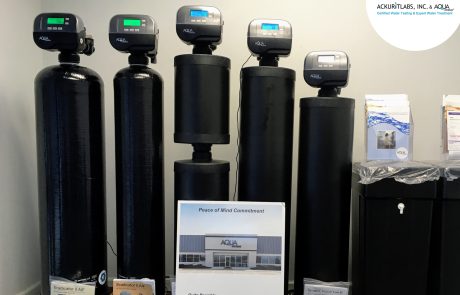
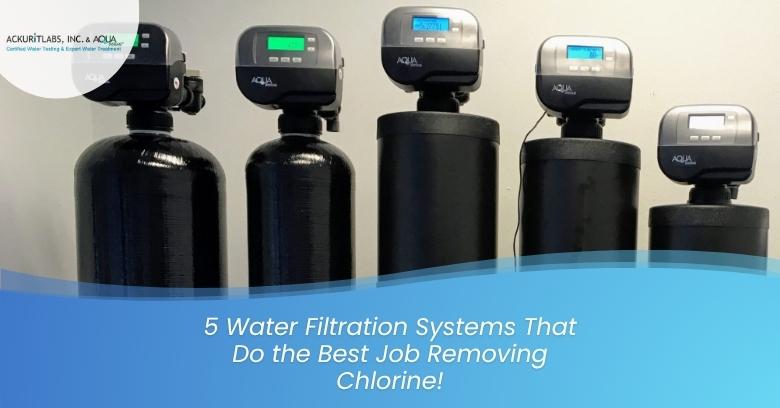
A carbon bed or block is the common answer when a city supply tastes or smells of disinfectant; it helps to know what the utility adds. Every carbon filter eventually fills up, so replacement or backwashing is part of owning one; a pre-filter often extends the life of the carbon.
Cartridges and Sediment Filters: Reading the Micron Number
Particle filters are the first stage in many systems, catching whatever would clog the rest; a series of coarse then fine elements spreads the load. The installer chooses which element goes first, because a clogged first stage starves the rest; write the swap date on the canister.
High-Pressure Polishing: Pressure, Membrane and Reject Stream
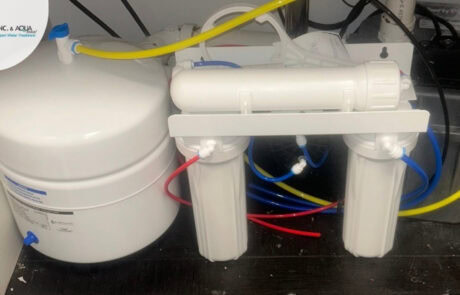
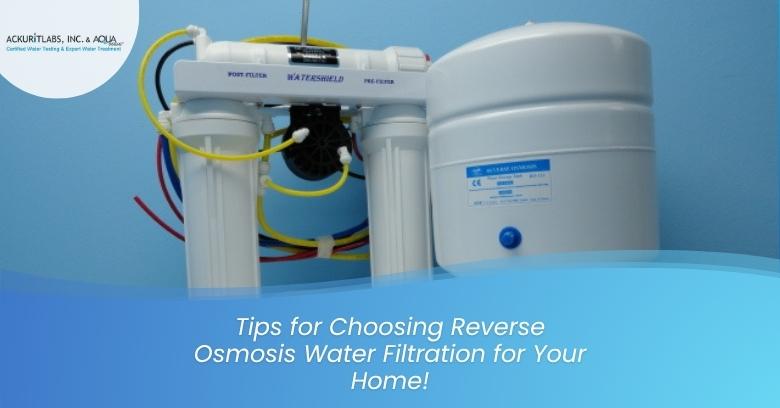
Pressure pushes the supply against a semipermeable membrane, and most dissolved material is held back, while larger units serve whole buildings. Some units add minerals back after the membrane to adjust taste, and a membrane may last for a long stretch if it is protected.
Chlorination: a Metering Pump and a Retention Tank
A metering pump feeds sodium hypochlorite into the flow, and a tank gives it time to react; the chlorine oxidizes iron and sulfide into forms that can be filtered out. A backwashing filter often follows, clearing the particles the reaction produces; a wrong dose helps nobody.
Treating Everything or Just the Faucet – Matching Scope to Need
Point-of-entry installations deal with problems that affect the entire plumbing system; scale, iron and chlorine are the usual reasons to go this route. Single-tap filters and membranes work where only drinking supply needs the extra step, and it shows which walls and lines are involved.
Sizing – Pressure Drop and Pace
Equipment is rated by how fast supply can pass through it and by how much it can treat before servicing; the number of bathrooms and people is part of the calculation. An undersized system forces flow past the media too fast, which weakens the result; ask to see the numbers behind the recommendation.
What the Job Requires: Bypass Valves, Drains and Outlets
A bypass lets the household isolate a unit without shutting off the whole supply; the walk-through before work matters. Codes affect drain connections, backflow protection and the placement of equipment; measure before ordering.
Wells Versus City Lines: Planning Around the Source
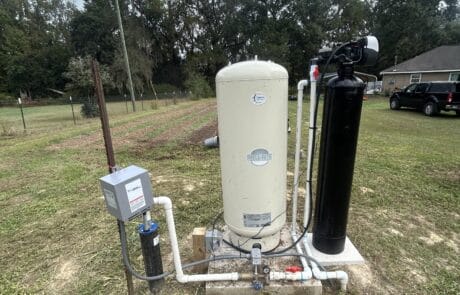
Raw well supply brings the chemistry of the ground straight to the plumbing; wells also bring a pump and a pressure tank into the plan. The provider needs to know which source feeds the house before suggesting anything; each property gets its own plan.
Storms and Power Interruptions: Planning Before the Season
Softeners and filters with electronic controllers can lose their settings in a long outage unless a backup battery holds them, and a surge protector on the outlet is sensible protection for the electronics. Equipment that sat in floodwater needs inspection before it goes back into service, and the provider can describe what a post-storm check involves.
Noise, Space and Appearance – Reaching the Controls
Noise from a unit tends to come from the drain line and the valve rather than the tanks; a garage, a utility closet or a pump house is the usual home. Sunlight can damage clear housings and warm the supply, so shade is sensible outdoors; measure doors and hallways as well.
Inherited Hardware: Planning a Sensible Sequence
Inherited hardware is worth examining before anything new is added, and the provider can often read the date code. A sediment screen or a carbon stage can often be added without replacing everything, and the installer should explain what is being kept.
Equipment for Operations: Boilers, Ice Machines and Kitchens
Larger buildings may need several tanks and manifolds, not one household unit; the survey of the site comes first. Staff who run the building need to know where the valves are and what each one does, because early warning beats a repair.
Routine Care – Small Tasks That Protect Big Parts
Soft supply depends on a brine tank that is kept stocked; adjust to what the supply actually does. Any change from how the system used to behave is the cue to check it, and a service call beats a failed system.
The Second Sample – Filing the Evidence
A sample collected after the system is running shows whether the problem was solved; schedule it when the system goes in. Treatment can reduce certain items without eliminating them, and the report shows by how much; a short note on the equipment installed completes the record.
Expectations Worth Setting – Read the Fine Print
Equipment performs within limits set by its design, the supply and the upkeep; compare the data sheet with your lab report. Anyone selling treatment equipment should be able to explain what it reduces and what it leaves alone; weigh each source on how specific it is.
A Short Interview – Written Answers Preferred
- What does the proposal assume about hardness, iron and chlorine, and where did those figures come from; ask for the reasoning in writing.
- How is the unit set up at the start, and what will you be shown before the crew leaves; a walk-through at the end is reasonable to ask for.
- Which items are checked on a routine visit, and which need special tools; follow-up is as important as the install.
A Call Before a Purchase – Share Your Lab Report
Call Ackuritlabs And Aqua Systems at 850-616-2634 to ask what a sensible first step would be for your supply.
Pulling the Threads – the Sequence That Works
Matching a device to a lab result, sizing it to the building and keeping up with upkeep is the whole recipe; whatever has brought you to read about Residential Water Treatment Company near Perry Florida, a short call sorts out where to begin. You can speak with Ackuritlabs And Aqua Systems at 850-616-2634 about your plumbing and your goals; the call goes quickly.
Verified

Verified
Verified
Verified
Verified