Weighing Options for Whole House Water Filtration Installation Across Perry Florida?
Matching the device to the finding is what separates a useful installation from a blind guess, and the sections below explain how the common options differ.
Contact Ackuritlabs And Aqua Systems at 850-616-2634 to ask how an installation is planned.
The Order of Operations – Results Decide the Hardware
Orange stains, chalky scale and a swampy smell can each have a separate cause, and each calls for different gear; having a report on hand speeds everything up. If the history of the supply is unknown, a baseline panel is the sensible opener; the equipment decision waits until the numbers are in.
Taking Out Hardness – What It Fixes and What It Leaves
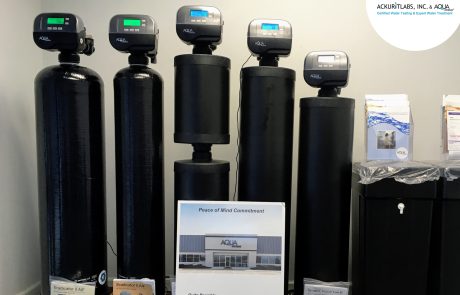
A conventional softener passes the supply through a bed of resin beads that grab calcium and magnesium; a control valve decides when to regenerate by clock or by usage. Less mineral reaching the pipes also means less deposit inside them; the lab result still decides what else belongs in the plan.
Alternatives to the Brine Tank: an Honest Comparison
These devices work on how scale sticks, and they do not strip the minerals out, and maintenance is limited to replacing the media on a schedule. A conditioner will not give the slick feel that a softened supply has in the shower, and a good provider explains that before the purchase.
Carbon Filtration – Granular Beds and Blocks
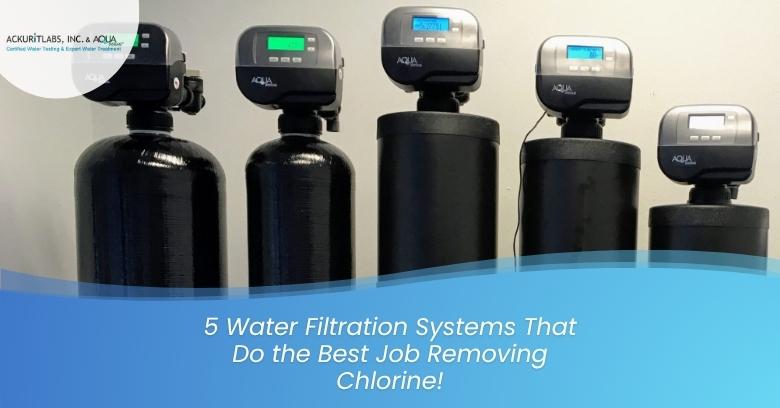
Carbon holds onto certain compounds as supply passes through, which cuts chlorine taste and some odors; each type of carbon targets specific compounds, so the media is picked to suit the finding. Contact time and flow rate affect results, and a unit pushed too hard performs worse, and the maker's change interval is a guide, not a promise.
Housings and Replaceable Elements: Reading the Micron Number
Grit and flakes get stopped by a pleated or wound element sitting in a clear or opaque canister; a series of coarse then fine elements spreads the load. Pressure falls as an element loads up, which is the practical signal to swap it; keep a spare cartridge on a shelf.
Reverse Osmosis: Where It Sits and What It Wastes
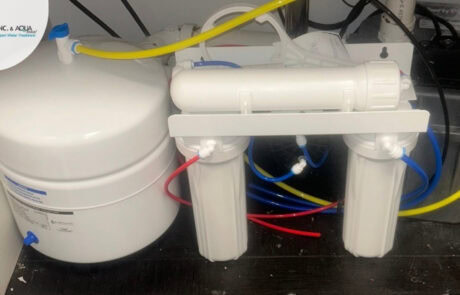
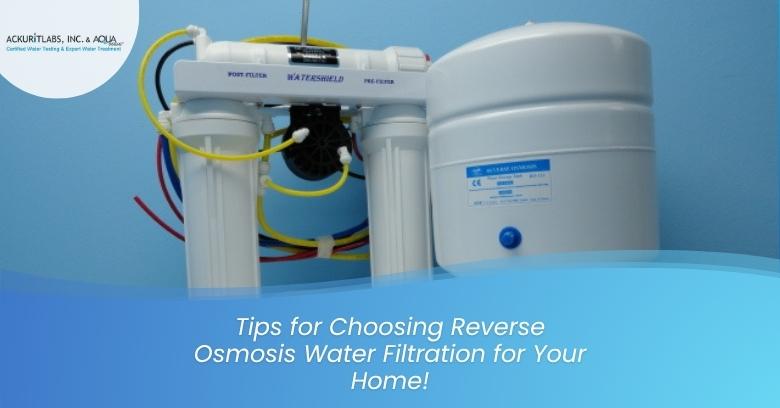
A small pump or the line pressure drives the flow through a membrane with extremely fine pores; the rejected stream runs to a drain, so a connection to the sink drain is part of the installation. A lab test before and after is the reliable way to know what a particular system achieves; the provider can explain what to expect for your supply.
Injectors and Contact Tanks: Why Dose Control Matters
A pump, a tank and a backwashing filter form the heart of a chlorination setup; time in the tank is what makes the reaction complete. Residual chlorine has to be removed afterward, and a carbon filter normally takes that job; chemicals are stored and handled according to the label.
Treating Everything or Just the Faucet – Matching Scope to Need
Everything inside the building sees treated flow when equipment sits at the entry, and the machinery needs floor space near the main shutoff. Smaller units at one sink target what people drink, leaving the rest of the plumbing alone; the provider can sketch where each unit would go.
Peak Demand Math – People, Fixtures and Usage
A unit has two numbers that matter: a peak flow rating and a capacity between cleanings; a unit that is too small shortens the time between regenerations. An undersized system forces flow past the media too fast, which weakens the result, and an installer should explain why a particular size was chosen.
Space and Connections – Planning for Service Access
Valves around the equipment allow it to be taken out of service in minutes; a drain line, an air gap and a nearby outlet come with a softener. Codes affect drain connections, backflow protection and the placement of equipment; leave room to open the tank lid and swap a cartridge.
Two Starting Points: Planning Around the Source
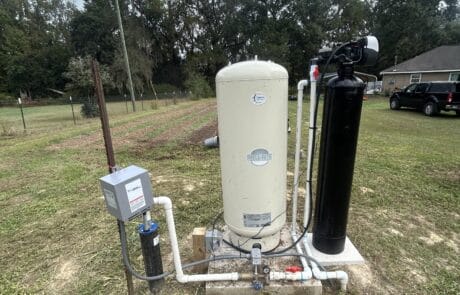
City lines usually deliver a steady, disinfected supply, so the complaints tend to be taste and scale; sediment and iron tend to be the early concerns. A carbon unit that suits a city line may be useless against the main problem of a well; photos of the existing equipment help.
After an Outage – Protecting Gear From Surge and Silt
Pumps, injectors and controllers all depend on electricity, and an outage pauses every one of them, since a stuck valve is easier to catch early. Equipment that sat in floodwater needs inspection before it goes back into service; ask the installer what to do before a storm.
Living With the Equipment – Reaching the Controls
Pumps and metering equipment hum when they work, so placement matters for bedrooms and offices; clear floor space around a tank makes salt loading simple. A tidy installation labels valves, supports the plumbing and keeps the area dry, and the provider should ask about access.
Upgrading What Is Already There: Test Before Deciding
Many properties already have a tank, a filter housing or an under-sink unit, and the question is whether it still suits the supply; a fresh lab panel shows whether the present system is still doing its job. The simplest upgrade is often a fresh set of cartridges or media, not a new system; nothing is replaced without a reason.
Treatment at Business Scale – Keeping Service Running
Restaurants, offices and apartment buildings draw far more than a house, and the gear is scaled to match, and a controller can log regeneration cycles. Commercial owners usually want service records, so the system should make them easy to keep; ask what monitoring the equipment offers.
Keeping Equipment in Shape: What Gets Neglected
Every type of equipment has a consumable: salt for softeners, cartridges for filters, membranes for osmosis units; adjust to what the supply actually does. Bad smells from a filter housing mean it has gone too long, and a service call beats a failed system.
Verifying What Changed: Before and After Side by Side
Comparing a new lab report against the original is how a household confirms the hardware did its job; a retest a few months in shows whether the system is holding. A result that falls short is information, and it points to what to add or change; a short note on the equipment installed completes the record.
Expectations Worth Setting: No Single Device Fixes Everything
No single device removes every substance, and a pitch that one box covers everything deserves doubt; claims about results should point to a published test method. If a proposal does not mention the lab results, ask how it was reached; weigh each source on how specific it is.
What to Ask at the Door: Details That Separate Good Plans
- Does the plan name the substances it targets, rather than speaking in general terms; vague answers deserve a follow-up.
- How is the unit set up at the start, and what will you be shown before the crew leaves; get the details itemized.
- How will you know the equipment is working a few months from now; each of these is worth asking.
Start the Conversation – Share Your Lab Report
Phone Ackuritlabs And Aqua Systems at 850-616-2634 to go over the lab report and the symptoms at your tap.
Pulling the Threads: Test, Choose, Install, Confirm
Matching a device to a lab result, sizing it to the building and keeping up with upkeep is the whole recipe, and for Whole House Water Filtration Installation in Perry Florida the first step is a conversation about the supply and the symptoms. To get started, reach Ackuritlabs And Aqua Systems at 850-616-2634; the details you share shape the advice.
Verified

Verified
Verified
Verified
Verified