Shopping for Water Treatment Around Midway Corridor Area?
Good installations start from a lab result and work toward a device that suits it, and the sections below explain how the common options differ.
Speak with Ackuritlabs And Aqua Systems at 850-616-2634 and say whether the supply is a well or a city line.
Where Treatment Begins: a Lab Number Beats a Guess
Equipment bought off a shelf may handle a different problem than the one at the tap, and the figure is what a provider uses to size and pick the unit. Even a brief description of the symptoms helps decide which measurements to order; skipping ahead is where most mismatches begin.
Softening: How the Resin Works
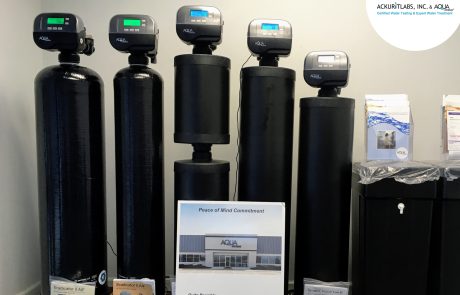
A conventional softener passes the supply through a bed of resin beads that grab calcium and magnesium; a control valve decides when to regenerate by clock or by usage. Less mineral reaching the pipes also means less deposit inside them, and it will not change the taste of the supply on its own.
Salt-Free Conditioners – Changing How Scale Forms
Nothing is exchanged, so the lab number for hardness reads the same before and after, and maintenance is limited to replacing the media on a schedule. Anyone expecting the soft feel of a true softener should know the two are different things; being clear on this point prevents disputes later.
Carbon Filtration: Why Cartridges Run Out
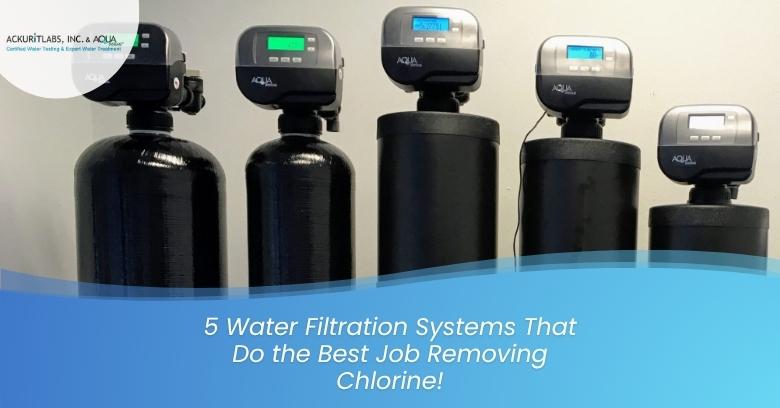
Surfaces inside the carbon grab onto particular chemicals, leaving a cleaner taste behind; a catalytic grade is often used where chloramine is the disinfectant. Every carbon filter eventually fills up, so replacement or backwashing is part of owning one, and the maker's change interval is a guide, not a promise.
Cartridges and Sediment Filters – Why Order Matters
Particle filters are the first stage in many systems, catching whatever would clog the rest; the rating, given in microns, states how small a particle the element is built to catch. Putting stages in the wrong order shortens the life of the costlier cartridge; keep a spare cartridge on a shelf.
The Under-Sink Purifier: Pressure, Membrane and Reject Stream
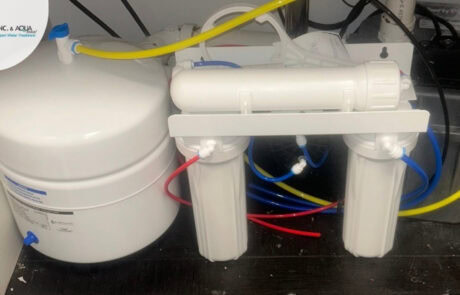
Pressure pushes the supply against a semipermeable membrane, and most dissolved material is held back; the rejected stream runs to a drain, so a connection to the sink drain is part of the installation. A lab test before and after is the reliable way to know what a particular system achieves, and the reject volume is worth asking about.
Feeding Chlorine Into the Line: a Metering Pump and a Retention Tank
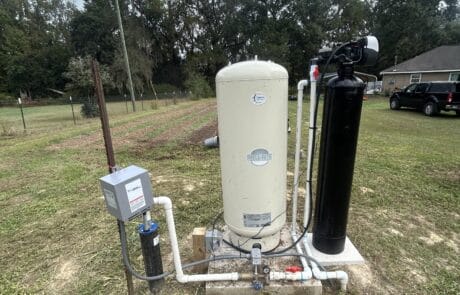
A pump, a tank and a backwashing filter form the heart of a chlorination setup, and the dose is set from lab readings. The final stage polishes taste and removes what remains of the disinfectant, and the setup should be checked after the first weeks.
Point of Entry Versus Point of Use – Matching Scope to Need
Whole-house layouts put one set of equipment ahead of every fixture, and the machinery needs floor space near the main shutoff. Where only one fixture matters, a compact installation avoids treating the whole house; the provider can sketch where each unit would go.
Peak Demand Math: Room to Grow
Equipment is rated by how fast supply can pass through it and by how much it can treat before servicing; the number of bathrooms and people is part of the calculation. When a unit is too small, pressure falls at fixtures during busy mornings; the sizing is not a mystery.
Installation Details: the Checklist Behind a Clean Install
Valves around the equipment allow it to be taken out of service in minutes; chlorine feed pumps and contact tanks add their own requirements. Permits or inspections can be required in some jurisdictions, depending on the work, and access for servicing should be planned from the start.
Two Starting Points: Planning Around the Source
A well has no utility between it and the tap, so equipment often handles more of the load, whereas chlorine and chloramine lead the list on a city line. A quick description of the plumbing path is enough to start the right conversation; neighbors on the same aquifer can still differ.
Hurricane-Season Readiness: Controllers, Pumps and Flooding
A unit left without power may skip a scheduled recharge, which leaves the media tired when flow resumes, since a stuck valve is easier to catch early. A flooded system should be shut off and checked before use, since damage is not always visible; write down the shutoff locations.
Practical Details Homeowners Ask About – Placement Decisions That Last
Compressors and pumps are the noisiest parts of larger systems, and they normally sit in a mechanical space; clear floor space around a tank makes salt loading simple. A tidy installation labels valves, supports the plumbing and keeps the area dry; a tank that cannot get through a doorway is a common surprise.
Replacement and Add-Ons – Reading Old Labels
Equipment bought long ago was chosen for a supply that may have changed since, which helps weigh a repair against a new unit. Adding a stage to an existing setup requires attention to order, flow rate and pressure drop; nothing is replaced without a reason.
Treatment at Business Scale: Boilers, Ice Machines and Kitchens
Larger buildings may need several tanks and manifolds, not one household unit; the existing mechanical room often decides what fits. Written procedures and a labeled schematic make handovers between staff smoother, and the provider can supply those if asked.
Maintenance Rhythm: What Gets Neglected
Filters eventually clog, and carbon eventually saturates, so each has a replacement interval; adjust to what the supply actually does. Warning signs include a return of the old taste, scale reappearing and a drop in pressure; an annual look at the controls is sensible.
The Second Sample – Filing the Evidence
The most reliable verification is a fresh panel run on the same items as before; schedule it when the system goes in. If a reading is still high, the report guides the next adjustment; dates on everything keep the record clear.
Where Hardware Stops: No Single Device Fixes Everything
Each technology removes some things and leaves others, so a layered setup is common; ask for the specific substances a product addresses. A fair provider will tell you when equipment is not the fix, or not the whole fix, and the same standard applies to anything written on this page.
What to Ask at the Door: Scope, Parts and Follow-Up
- What does the proposal assume about hardness, iron and chlorine, and where did those figures come from, and what stays the same afterward.
- How is the unit set up at the start, and what will you be shown before the crew leaves; a walk-through at the end is reasonable to ask for.
- How will you know the equipment is working a few months from now, and what does it say about future servicing.
Planning a System: Bring What You Know
Phone Ackuritlabs And Aqua Systems at 850-616-2634 and describe the house, the plumbing and what you want changed.
In Plain Terms: Test, Choose, Install, Confirm
A dependable setup follows a sequence: measure the supply, pick equipment to suit, install it carefully and test again, and everything above about Water Treatment in Midway Corridor Area is general background, not a verdict. The number to call is 850-616-2634, and the conversation is the first step; mention whether the supply is a well or a utility line.