Thinking About Commercial Water Softener Installation Around Quincy Florida?
Good installations start from a lab result and work toward a device that suits it, and the sections below cover sizing, setup and upkeep.
Contact Ackuritlabs And Aqua Systems at 850-616-2634 to ask how an installation is planned.
Before Any Equipment: a Lab Number Beats a Guess
Orange stains, chalky scale and a swampy smell can each have a separate cause, and each calls for different gear, and the figure is what a provider uses to size and pick the unit. Anyone without a recent report can usually be pointed to a suitable panel first, and a short delay beats replacing the wrong unit.
Resin Tanks – What It Fixes and What It Leaves
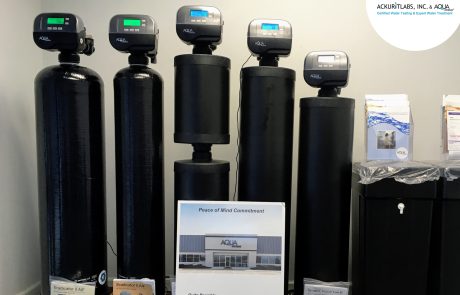
The beads in a softener hold hardness minerals until they are rinsed clean; a control valve decides when to regenerate by clock or by usage. Where a softener is sized correctly, white crust becomes much less of a chore; the lab result still decides what else belongs in the plan.
Template-Assisted Units: No Drain, No Salt, Different Results
Nothing is exchanged, so the lab number for hardness reads the same before and after; people choose these devices to avoid salt, brine discharge and a drain connection. Expect scale to be reduced rather than eliminated, and expect no change in how soap lathers, and it helps compare options fairly.
Activated Carbon – Contact Time and Capacity
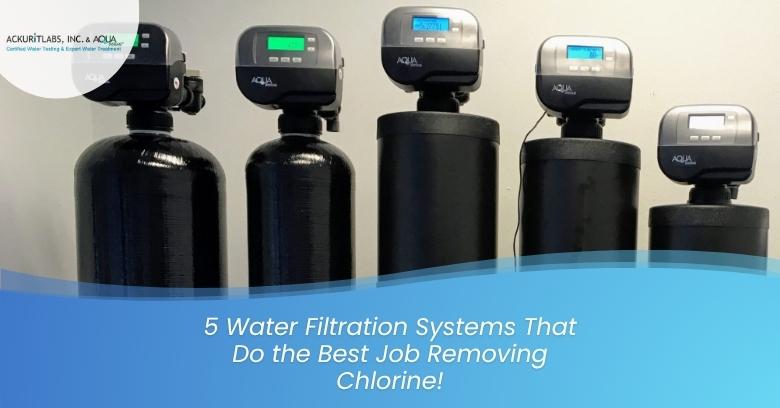
A carbon bed or block is the common answer when a city supply tastes or smells of disinfectant; a catalytic grade is often used where chloramine is the disinfectant. Contact time and flow rate affect results, and a unit pushed too hard performs worse; keeping a date on the housing is a good habit.
Spun, Pleated and Wound Media: Reading the Micron Number
Grit and flakes get stopped by a pleated or wound element sitting in a clear or opaque canister, which lets each cartridge last longer. Putting stages in the wrong order shortens the life of the costlier cartridge; replacements are sold by size, so note the model.
Reverse Osmosis: Where It Sits and What It Wastes
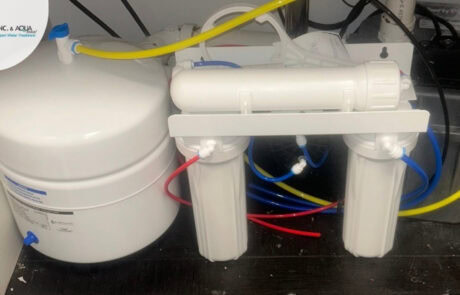
The membrane is the center of the system, flanked by pre-filters and a final carbon stage; compact units fit under a sink and serve a single tap. Reverse osmosis units reduce many dissolved substances, though performance varies by model and by supply; the provider can explain what to expect for your supply.
Treating Iron, Sulfur and Microbes: What the Installer Sets Up
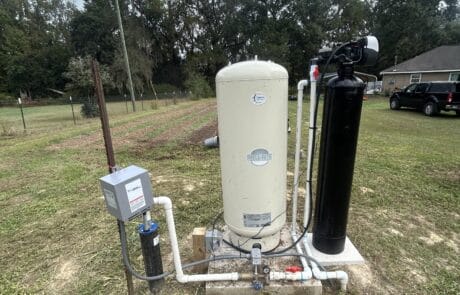
The setup pairs a feed pump with a retention tank so the chlorine has time to work; the chlorine oxidizes iron and sulfide into forms that can be filtered out. The final stage polishes taste and removes what remains of the disinfectant; dosing is not a do-it-yourself guess.
Scope of a System: What Each Layout Covers
Point-of-entry installations deal with problems that affect the entire plumbing system; larger tanks and brine cabinets take real room. Single-tap filters and membranes work where only drinking supply needs the extra step, and the two approaches work well together.
Choosing a Capacity – People, Fixtures and Usage
Treating the household's peak demand, not its average, keeps pressure from dropping; a unit that is too small shortens the time between regenerations. Equipment that is too small works harder and wears out sooner; the sizing is not a mystery.
Practical Requirements: Bypass Valves, Drains and Outlets
Shutoffs on both sides of a unit make servicing simple; chlorine feed pumps and contact tanks add their own requirements. Codes affect drain connections, backflow protection and the placement of equipment, and clear labels on valves help the next person.
Supply Source Matters – Pressure Tanks and Pumps
Raw well supply brings the chemistry of the ground straight to the plumbing, and the right system differs accordingly. A carbon unit that suits a city line may be useless against the main problem of a well; mention the source on the first call.
When the Lights Go Out: Planning Before the Season
Electronic valves keep time with the power, so a clock that resets can trigger recharges at odd hours; a quick look at the salt level and the drain line completes the check. Anything touched by flooding, including a well pump and chemical feed gear, deserves a professional look; ask the installer what to do before a storm.
Where Everything Goes – Placement Decisions That Last
Pumps and metering equipment hum when they work, so placement matters for bedrooms and offices; clear floor space around a tank makes salt loading simple. Leaving room to open lids, change cartridges and read gauges makes upkeep a quick job; a sketch of the space helps the planning.
An Older System in the Garage – Keep, Repair or Replace
Inherited hardware is worth examining before anything new is added; the model number on the label usually leads to a manual and a parts list. Mixing parts from different makers is possible, though compatibility needs checking, and the installer should explain what is being kept.
Equipment for Operations: Boilers, Ice Machines and Kitchens
Larger buildings may need several tanks and manifolds, not one household unit, and a controller can log regeneration cycles. Training the people on site about shutoffs and alarms prevents small problems from growing, and the provider can supply those if asked.
Service Schedule: Salt, Cartridges and Media
Treatment is not a one-time purchase, since something wears out or runs low on every system; the manual lists intervals, though a heavy load shortens them. Bad smells from a filter housing mean it has gone too long; the provider can inspect and adjust.
Proof After Installation: Tracking Performance
A sample collected after the system is running shows whether the problem was solved, which matters for cartridges and media that wear. Some substances respond well and others hardly at all, which the new figures reveal; a short note on the equipment installed completes the record.
Where Hardware Stops: Misuse and Misfit
No single device removes every substance, and a pitch that one box covers everything deserves doubt; ask for the specific substances a product addresses. Anyone selling treatment equipment should be able to explain what it reduces and what it leaves alone; nothing here replaces advice for your property.
Comparing Proposals: Scope, Parts and Follow-Up
- Which readings on the report are meant to change, and which are not expected to; a specific answer is what you want.
- Which local rules apply to this installation, and who handles them; clear scope prevents surprises.
- What does a retest look like, and when is it scheduled; ask about it before work starts.
Getting Advice: Describe the Problem First
Call Ackuritlabs And Aqua Systems at 850-616-2634 to find out how a system would be planned and sized.
Bringing It Together – Upkeep Keeps It Working
A dependable setup follows a sequence: measure the supply, pick equipment to suit, install it carefully and test again; this page on Commercial Water Softener Installation in Quincy Florida is a starting point, and the details of each property decide the rest. You can speak with Ackuritlabs And Aqua Systems at 850-616-2634 about your plumbing and your goals, and share what the lab report shows.
Verified

Verified
Verified
Verified
Verified