Shopping for Water Softeners Across Quincy Florida?
Matching the device to the finding is what separates a useful installation from a blind guess, and the sections below explain how the common options differ.
Phone Ackuritlabs And Aqua Systems at 850-616-2634 and say whether the supply is a well or a city line.
The Step Ahead of the Purchase: a Lab Number Beats a Guess
Three households with the same complaint can need three different systems, because the underlying chemistry differs, and the figure is what a provider uses to size and pick the unit. If the history of the supply is unknown, a baseline panel is the sensible opener; skipping ahead is where most mismatches begin.
Ion Exchange – Swapping Minerals for Sodium or Potassium
Inside the tank, tiny resin beads attract the minerals that cause scale and give up sodium or potassium in return, and the stored brine is topped up with salt as needed. Laundry and dishes tend to come out cleaner where the minerals have been removed; the lab result still decides what else belongs in the plan.
Template-Assisted Units – Changing How Scale Forms
Nothing is exchanged, so the lab number for hardness reads the same before and after, which suits some households and some local rules. A conditioner will not give the slick feel that a softened supply has in the shower; asking for a plain description of the outcome avoids disappointment.
Adsorption Media – Contact Time and Capacity
Surfaces inside the carbon grab onto particular chemicals, leaving a cleaner taste behind, and ordinary carbon handles free chlorine more easily than chloramine. Capacity depends on how much is in the supply and how much a household uses, and the maker's change interval is a guide, not a promise.
Cartridges and Sediment Filters: Reading the Micron Number
Sediment cartridges screen out sand, rust flakes and silt before they reach appliances, and the sequence is part of the design. A carbon cartridge installed in the same housing style handles taste while the sediment unit handles grit, and a pressure gauge on each side of the housing makes that visible.
Membrane Systems: Pressure, Membrane and Reject Stream
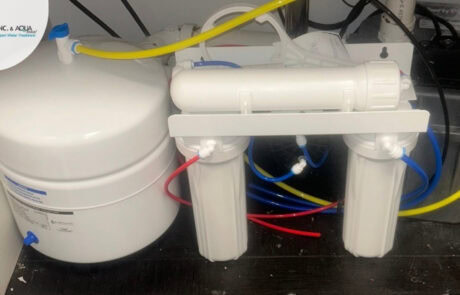
Pressure pushes the supply against a semipermeable membrane, and most dissolved material is held back, while larger units serve whole buildings. Some units add minerals back after the membrane to adjust taste, and the reject volume is worth asking about.
Feeding Chlorine Into the Line: Why Dose Control Matters
A pump, a tank and a backwashing filter form the heart of a chlorination setup; time in the tank is what makes the reaction complete. The final stage polishes taste and removes what remains of the disinfectant, and the setup should be checked after the first weeks.
Whole-House or Single-Tap: Planning the Pipe Run
Equipment where the supply enters the building protects all the plumbing downstream, and the machinery needs floor space near the main shutoff. Smaller units at one sink target what people drink, leaving the rest of the plumbing alone, and the two approaches work well together.
Sizing – People, Fixtures and Usage
Equipment is rated by how fast supply can pass through it and by how much it can treat before servicing; high readings use up capacity faster. Equipment that is too small works harder and wears out sooner, and an installer should explain why a particular size was chosen.
Installation Details: the Checklist Behind a Clean Install
A bypass lets the household isolate a unit without shutting off the whole supply, and electrical needs vary from a plug-in transformer to a dedicated circuit. Local plumbing and electrical rules may apply, and the installer is the one to know them; leave room to open the tank lid and swap a cartridge.
Private Source or Public Main – Pressure Tanks and Pumps
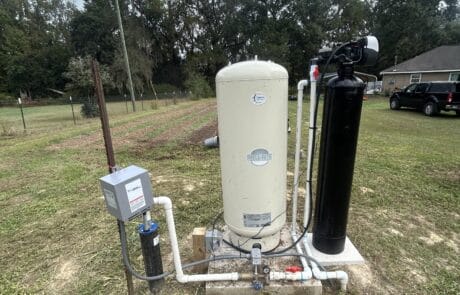
Raw well supply brings the chemistry of the ground straight to the plumbing; wells also bring a pump and a pressure tank into the plan. The provider needs to know which source feeds the house before suggesting anything; photos of the existing equipment help.
When the Lights Go Out – Protecting Gear From Surge and Silt
A unit left without power may skip a scheduled recharge, which leaves the media tired when flow resumes, since a stuck valve is easier to catch early. Anything touched by flooding, including a well pump and chemical feed gear, deserves a professional look; write down the shutoff locations.
Where Everything Goes – Placement Decisions That Last
Pumps and metering equipment hum when they work, so placement matters for bedrooms and offices, which is worth thinking through before delivery. Equipment is easiest to live with when the controls and the drain sit where a person can reach them, and the installer can suggest a layout.
An Older System in the Garage – Reading Old Labels
Many properties already have a tank, a filter housing or an under-sink unit, and the question is whether it still suits the supply; a fresh lab panel shows whether the present system is still doing its job. Mixing parts from different makers is possible, though compatibility needs checking, and old manuals are worth saving.
Commercial Systems: Written Specifications
Boilers, cooling equipment and ice makers can be sensitive to scale, which shapes the design; a duplex arrangement keeps soft supply flowing through each recharge. Training the people on site about shutoffs and alarms prevents small problems from growing, and the provider can supply those if asked.
Routine Care – Setting Reminders
Treatment is not a one-time purchase, since something wears out or runs low on every system; the manual lists intervals, though a heavy load shortens them. Any change from how the system used to behave is the cue to check it; the provider can inspect and adjust.
Verifying What Changed: Tracking Performance
Comparing a new lab report against the original is how a household confirms the hardware did its job; collecting at the same tap, in the same way, keeps the comparison fair. Some substances respond well and others hardly at all, which the new figures reveal; a short note on the equipment installed completes the record.
What Equipment Cannot Do: Misuse and Misfit
Marketing language tends to be broader than what a product actually does; ask for the specific substances a product addresses. Anyone selling treatment equipment should be able to explain what it reduces and what it leaves alone, and the same standard applies to anything written on this page.
A Short Interview – Written Answers Preferred
- Which readings on the report are meant to change, and which are not expected to; a specific answer is what you want.
- Where will the drain, the power and the bypass go, and what will be cut or moved; get the details itemized.
- What does a retest look like, and when is it scheduled; each of these is worth asking.
Planning a System – Share Your Lab Report
Call Ackuritlabs And Aqua Systems at 850-616-2634 to find out how a system would be planned and sized.
Pulling the Threads: Next Steps
Every lasting installation rests on a clear diagnosis, a suitable size and regular care, and everything above about Water Softeners in Quincy Florida is general background, not a verdict. Call 850-616-2634 to reach Ackuritlabs And Aqua Systems and talk over your situation; the details you share shape the advice.
Verified

Verified
Verified
Verified
Verified