Need Water Treatment Company Throughout Quincy Florida?
A treatment system is a tool for one job, so the job has to be named before the tool is picked; read on for how the pieces fit together.
Phone Ackuritlabs And Aqua Systems at 850-616-2634 and describe the stains, scale or smells you want gone.
The Step Ahead of the Purchase: a Lab Number Beats a Guess
A smell, a stain or a taste is a symptom, and the symptom alone rarely identifies the cure, which keeps the proposal tied to evidence. A first conversation commonly ends with advice on what to sample before the next step; the equipment decision waits until the numbers are in.
Ion Exchange: a Bed of Beads and a Brine Tank
Inside the tank, tiny resin beads attract the minerals that cause scale and give up sodium or potassium in return; a control valve decides when to regenerate by clock or by usage. Softened supply leaves less scale on fixtures, glass and heating elements, though a softener does little for iron staining beyond a modest level.
Scale Control Without Salt – Setting Expectations
The minerals stay in the supply, but the device nudges them toward forming less scale on surfaces, which suits some households and some local rules. The results are described best as less crust, not no crust; ask what the device will not do.
Carbon Filtration: Chlorine, Odors and Organic Traces
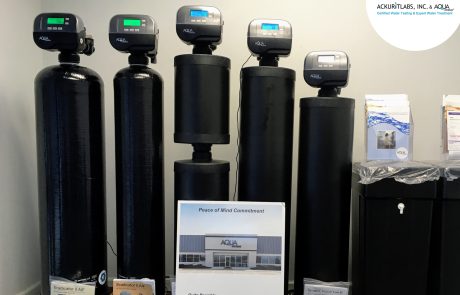
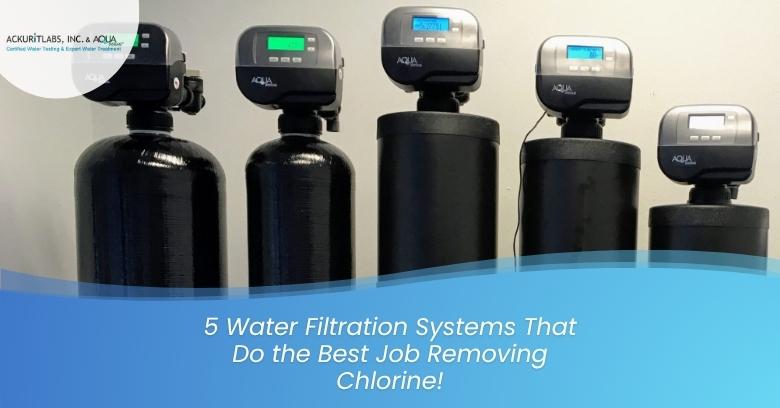
Surfaces inside the carbon grab onto particular chemicals, leaving a cleaner taste behind, and ordinary carbon handles free chlorine more easily than chloramine. Contact time and flow rate affect results, and a unit pushed too hard performs worse, and the provider can estimate a schedule.
Housings and Replaceable Elements: Sizes, Ratings and Swaps
Grit and flakes get stopped by a pleated or wound element sitting in a clear or opaque canister; a series of coarse then fine elements spreads the load. Putting stages in the wrong order shortens the life of the costlier cartridge; write the swap date on the canister.
Reverse Osmosis: Where It Sits and What It Wastes
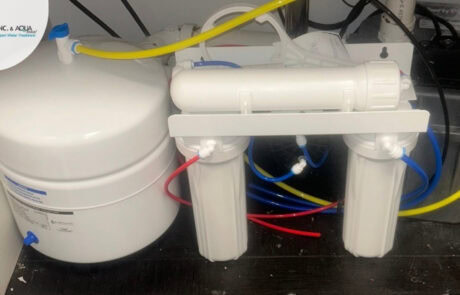
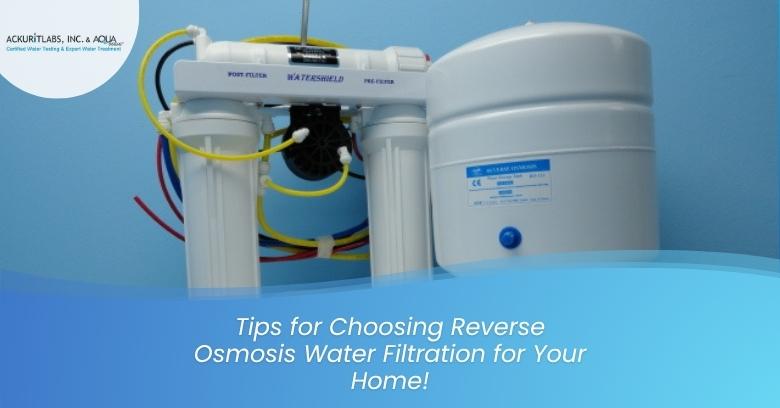
Pressure pushes the supply against a semipermeable membrane, and most dissolved material is held back, while larger units serve whole buildings. Reverse osmosis units reduce many dissolved substances, though performance varies by model and by supply, and the reject volume is worth asking about.
Oxidation Systems – the Carbon Stage Afterward
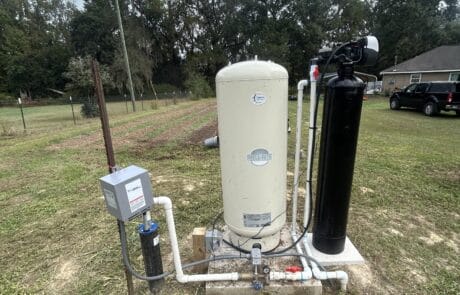
The setup pairs a feed pump with a retention tank so the chlorine has time to work; the tank is sized to the flow of the well. Residual chlorine has to be removed afterward, and a carbon filter normally takes that job; chemicals are stored and handled according to the label.
Point of Entry Versus Point of Use: Choosing the Footprint
Equipment where the supply enters the building protects all the plumbing downstream, and the machinery needs floor space near the main shutoff. Many households combine both: a main-line device for scale and a sink model for taste; the provider can sketch where each unit would go.
Matching the Unit to the House – Pressure Drop and Pace
Equipment is rated by how fast supply can pass through it and by how much it can treat before servicing; a bigger tank may be the practical answer. Equipment that is too small works harder and wears out sooner; ask to see the numbers behind the recommendation.
Practical Requirements – Codes and Neighbors
Shutoffs on both sides of a unit make servicing simple; chlorine feed pumps and contact tanks add their own requirements. Permits or inspections can be required in some jurisdictions, depending on the work; measure before ordering.
What Changes by Source: Planning Around the Source
Private wells deliver untreated groundwater, which can carry iron, sulfur, hardness and microbes; sediment and iron tend to be the early concerns. A carbon unit that suits a city line may be useless against the main problem of a well; neighbors on the same aquifer can still differ.
Storms and Power Interruptions: What to Check Afterward
Pumps, injectors and controllers all depend on electricity, and an outage pauses every one of them, since a stuck valve is easier to catch early. If floodwater covered the wellhead, the supply itself needs a fresh lab sample; write down the shutoff locations.
Noise, Space and Appearance – Placement Decisions That Last
Compressors and pumps are the noisiest parts of larger systems, and they normally sit in a mechanical space, and a level pad keeps tanks from shifting. Sunlight can damage clear housings and warm the supply, so shade is sensible outdoors; measure doors and hallways as well.
An Older System in the Garage: Test Before Deciding
A house may come with equipment that nobody remembers installing, so a look at the labels is the first step; a fresh lab panel shows whether the present system is still doing its job. New components usually have to fit the pipe sizes, the pressure and the drain already in place; photographs of the current setup speed up the first conversation.
When a Property Has Many Users – Keeping Service Running
Business equipment is sized for higher flows and often arranged in pairs so one tank can work while the other recharges; the survey of the site comes first. Written procedures and a labeled schematic make handovers between staff smoother; ask what monitoring the equipment offers.
Keeping Equipment in Shape: Signs a Unit Needs Attention
Treatment is not a one-time purchase, since something wears out or runs low on every system; keep the paperwork in one place. Any change from how the system used to behave is the cue to check it; the provider can inspect and adjust.
The Second Sample: Tracking Performance
Nothing beats a repeat panel for showing whether the readings moved; a retest a few months in shows whether the system is holding. Treatment can reduce certain items without eliminating them, and the report shows by how much; the file is useful for a future sale.
Expectations Worth Setting: Questions for Any Seller
Marketing language tends to be broader than what a product actually does; ask for the specific substances a product addresses. Honest answers sound specific, and vague answers sound like a sales line, and the same standard applies to anything written on this page.
Before You Sign: Points Worth Raising
- Is the recommended size tied to the lab figures and the household's flow; ask for the reasoning in writing.
- Which local rules apply to this installation, and who handles them; clear scope prevents surprises.
- What does a retest look like, and when is it scheduled; write the answers down.
Talking It Through – Share Your Lab Report
Contact Ackuritlabs And Aqua Systems at 850-616-2634 and ask what to collect before any equipment is chosen.
In Plain Terms: Matching Hardware to the Finding
The reliable path runs from a lab figure, through a sensible choice of equipment, to a retest that shows the change; this page on Water Treatment Company in Quincy Florida is a starting point, and the details of each property decide the rest. To get started, reach Ackuritlabs And Aqua Systems at 850-616-2634, and share what the lab report shows.
Verified

Verified
Verified
Verified
Verified