In Need of Water Testing Across SouthWood Community?
A clean bottle, a careful collection and a report full of figures make up most of a test, and the sections below show where people most often slip.
Call Ackuritlabs And Aqua Systems at 850-616-2634 and say whether the supply is a well or a utility line.
What Starts a Test – from a New Well to a New Smell
Few households test for the sake of testing; something almost always prompts it; a well drilled last month, a house purchase or a baby in the home can start the call too. Some buyers want figures before they close on a house, since a first result is worth most as a starting line.
Categories on the Report: From Microbes to Minerals
Labs sort the measurements into families so the report reads in order; a narrow request may need only a single block. A first-time owner is usually better served by a wide panel than a single line item, and a good order form leaves room to say why you are testing.
The Bacteria Question: the Easiest Sample to Spoil
Anything headed for a bacteria screen must go in a sealed sterile container, and the bottle is filled in one go without rinsing it. The report commonly states whether coliform bacteria were found, without reading out a count; a follow-up sample is taken after the source has been treated.
Mineral Content: Reading the Numbers
Wells that draw from limestone tend to deliver mineral-rich supplies, and the combined measure is what the report lists as hardness. Two unit systems are common, grains per gallon and milligrams per liter, and the two convert easily, so ask the lab if the unit is not obvious.
White crust on a faucet is the most visible sign, and only a reading separates mild hardness from heavy.
The Rust-Colored Clue: Separating Two Look-Alikes
Brown laundry spots after a wash cycle can come from iron in the supply, and a lab reports it as a concentration. Tea-colored supply is a different matter, and tannins from decaying plants are a common cause; guessing from the stain alone can send people after the wrong cause.
Hydrogen Sulfide: Hot, Cold or Both
The sulfur smell comes from a dissolved gas that people notice at very low levels, and it usually reads as a stronger smell after the supply sits unused. Whether the smell is present on cold taps as well changes where to look; that observation is worth passing along to the lab.
Nitrate: Nothing to See or Taste
The only way to learn the nitrate level is to have it measured; shallow wells near fields, lawns or septic systems are where it tends to show up. Comparing this season against the last shows whether the level is moving, and the lab can say when a retest would be informative.
Lead and Plumbing Metals: First Draw and Flushed
The pipes and joints inside a building can release metals into standing supply; the instructions you receive matter as much as the analysis. The instructions typically say to collect before using any fixture that day; some orders ask for both and compare the results.
Owning a Well: Building a Routine
No utility monitors a private well, so the owner decides when it gets looked at, and many keep a simple log of dates and results. Underground supplies change with the seasons, droughts and the land around the wellhead, and the lab can suggest a sensible interval.
Utility Supply: Between the Plant and Your Faucet
The utility handles regular checks on its own mains and sources; those figures cannot see what the final stretch of pipe adds. Sampling beside the utility's report gives a fuller picture of the tap; mention when it started and which taps are affected.
Local Ground Conditions – What Shallow Wells Face
Karst terrain lets what falls on the ground reach an aquifer with little filtering, which is a good reason to test in more than one season. Close to the Gulf, saltwater pushing inland can alter what a well pulls up; the lab can add it to an order.
Storms and Wellheads: When to Sample Again
A well that sat under floodwater may no longer give the result it gave last season; sampling after the event is the only way to know what changed. Health departments commonly advise using another source for drinking until a result is back; a disinfection step normally comes before the retest.
Real Estate Transactions: Timing Within a Contract
Sellers are sometimes asked to produce recent results for the supply; ask which panel the buyer's side expects. A sample taken for a transaction is handled carefully so everyone trusts it; everyone knows what the file will contain.
Testing for Operations: Restaurants, Offices and Rentals
Shops, offices and rental units can all have different reasons to test; the lab can arrange a plan that covers several sampling points. If a rule is driving the test, the lab needs to know which one; keep the written requirement handy when you call.
How the Sample Gets Taken: Labels, Caps and Clean Hands
Preservative in some bottles is part of the method, so it stays in; fill each one to the line the instructions give. Details noted on the spot beat details remembered at the end of the day, and a quick note about weather or recent work helps.
Keeping It Cold: Why Speed Matters
Certain results spoil on the clock, so each analysis has a time limit set by its method; a sample that arrives late may be rejected or flagged. Ask when drop-off is accepted before choosing a collection day; a sample left in a hot car loses its value.
Reading the Report – Results, Methods and Reporting Limits
Columns usually show the substance, the amount found, the units and the limit of the method; that is not the same as zero. Some reports show a standard in an extra column so the comparison is easy; bring questions rather than guessing.
Acting on a Report – Match the Fix to the Finding
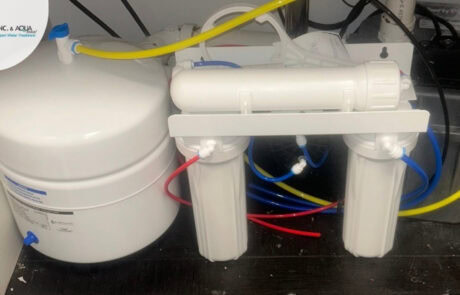
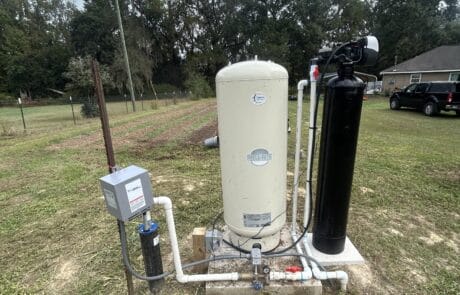
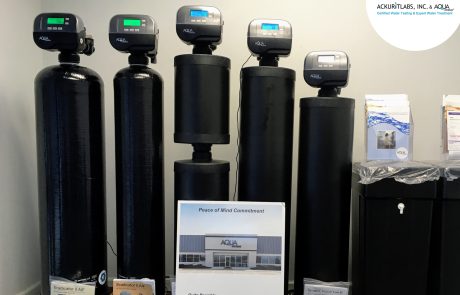
With figures in hand, an installer can size equipment to the problem; the equipment follows the findings. The follow-up result closes the loop and gives a new baseline; note the equipment installed between them.
Choosing a Lab: Beyond the Search Result
Local listings make it easy to find a lab and hard to compare one; ask to see what the report will look like. Documents can be requested, and a reputable lab will not mind the question; a clear answer is a good sign.
What to Look Over Before Ordering – Notes for the Order Form
- Reddish residue collecting on aerators and shower heads; note whether hot and cold taps differ.
- A rotten-egg or musty smell when the tap first opens, which can point the order toward a sulfur, chlorine or organic check.
- White film on dishes, glass and shower doors, and it shortens the conversation with the lab.
Getting Started: One Conversation Covers the Details
Dial Ackuritlabs And Aqua Systems at 850-616-2634 and say whether the house, the farm or the business is the one being checked.
Putting the Pieces Together – Collection, Delivery and Reading
Sound results depend on three things done well, the panel, the collection and the timing, and for Water Testing in SouthWood Community the first step is a conversation about what you have noticed. The number to call is 850-616-2634, and the conversation is the first step; the details you share shape the advice.