Thinking About Water Filtration System Throughout Tallahassee Florida?
Matching the device to the finding is what separates a useful installation from a blind guess, and the sections below cover sizing, setup and upkeep.
Phone Ackuritlabs And Aqua Systems at 850-616-2634 to talk through what the tap has been doing.
Diagnosis First: Why Skipping It Backfires
Equipment bought off a shelf may handle a different problem than the one at the tap, which keeps the proposal tied to evidence. Where no result exists yet, a provider can often suggest what to measure; patience at this stage tends to save money later.
Resin Tanks – What It Fixes and What It Leaves
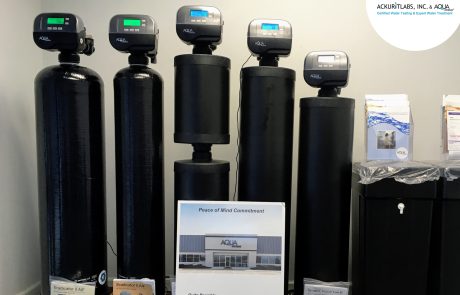
The beads in a softener hold hardness minerals until they are rinsed clean; a control valve decides when to regenerate by clock or by usage. Laundry and dishes tend to come out cleaner where the minerals have been removed, though a softener does little for iron staining beyond a modest level.
Template-Assisted Units – Setting Expectations
The minerals stay in the supply, but the device nudges them toward forming less scale on surfaces, which suits some households and some local rules. Because the minerals remain, soap and shampoo behave as they would on hard supply; ask what the device will not do.
Activated Carbon: Why Cartridges Run Out
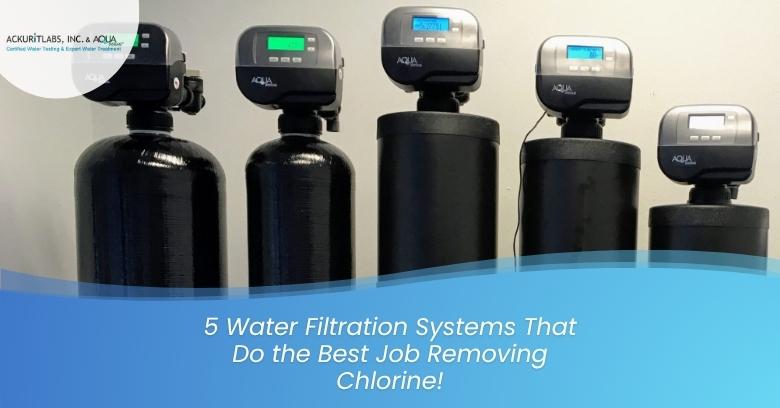
Filters based on carbon are the usual choice for chlorine taste and many household odors; each type of carbon targets specific compounds, so the media is picked to suit the finding. A saturated filter can release what it captured, which is why change schedules matter, and the maker's change interval is a guide, not a promise.
Spun, Pleated and Wound Media – Catching Grit Before It Travels On
Sediment cartridges screen out sand, rust flakes and silt before they reach appliances; the rating, given in microns, states how small a particle the element is built to catch. A carbon cartridge installed in the same housing style handles taste while the sediment unit handles grit; write the swap date on the canister.
Reverse Osmosis: Where It Sits and What It Wastes
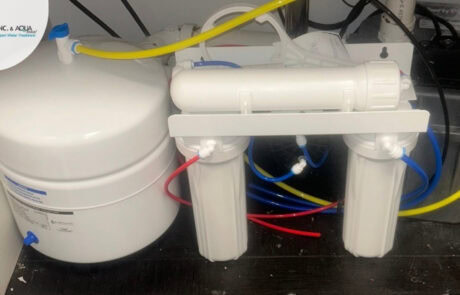
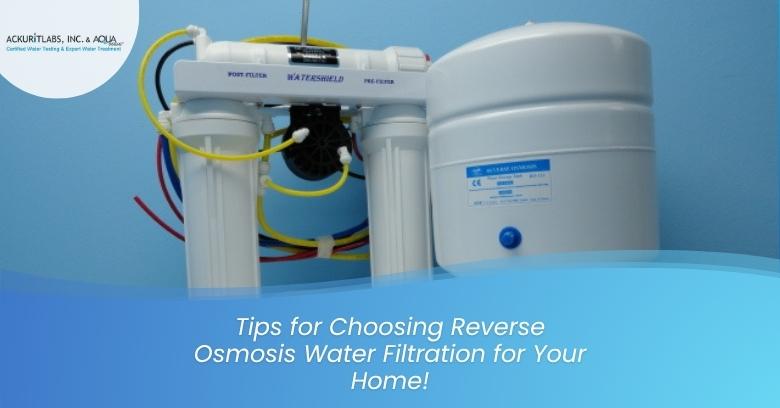
A membrane passes the liquid and rejects a large share of dissolved salts and other solids; the rejected stream runs to a drain, so a connection to the sink drain is part of the installation. Some units add minerals back after the membrane to adjust taste; the provider can explain what to expect for your supply.
Feeding Chlorine Into the Line: What the Installer Sets Up
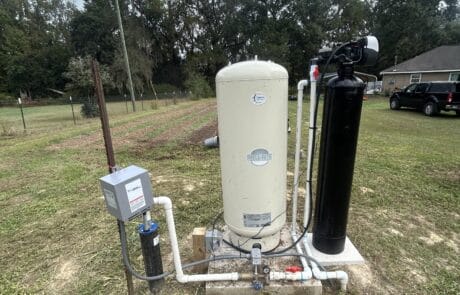
A chlorine injector meters a small amount of disinfectant into the line ahead of a holding tank; the chlorine oxidizes iron and sulfide into forms that can be filtered out. After the contact tank, a carbon stage strips leftover chlorine so the tap smells clean, and chemical equipment is installed and set up with care.
Whole-House or Single-Tap: Choosing the Footprint
Everything inside the building sees treated flow when equipment sits at the entry; larger tanks and brine cabinets take real room. Single-tap filters and membranes work where only drinking supply needs the extra step; ask for a simple diagram of the plan.
Flow Rate and Capacity: Gallons per Minute and Grains
Ratings printed on the label describe the equipment, and the installer matches them to the building, along with the hardness or iron level on the lab report. When a unit is too small, pressure falls at fixtures during busy mornings; a reasoned answer is a good sign.
Plumbing, Power and Drain Needs: the Checklist Behind a Clean Install
Good installations include a way to route flow around the unit when needed; the installer plans the route up front. Checking with the local office is sensible before anything is cut or glued; a tidy install is easier to maintain.
Private Source or Public Main – Raw Groundwater Versus Treated
A well has no utility between it and the tap, so equipment often handles more of the load, and the right system differs accordingly. Equipment picked from a neighbor's experience may not suit a different source; mention the source on the first call.
When the Lights Go Out: What to Check Afterward
Many controllers keep their program in memory for a short while, and then need to be set again; checking the time and the settings after power returns takes a minute. Silt in a housing, a wet motor or a corroded joint can turn a repair into a replacement; write down the shutoff locations.
Where Everything Goes: Tanks, Hums and Cabinets
Most residential units are quiet, and the sounds they make are short bursts when a valve cycles or a recharge runs, which is worth thinking through before delivery. Sunlight can damage clear housings and warm the supply, so shade is sensible outdoors; a sketch of the space helps the planning.
Upgrading What Is Already There – Keep, Repair or Replace
Inherited hardware is worth examining before anything new is added, which helps weigh a repair against a new unit. The simplest upgrade is often a fresh set of cartridges or media, not a new system, and old manuals are worth saving.
Equipment for Operations – Coordinating With Maintenance
Business equipment is sized for higher flows and often arranged in pairs so one tank can work while the other recharges; the existing mechanical room often decides what fits. Training the people on site about shutoffs and alarms prevents small problems from growing, and the provider can supply those if asked.
Maintenance Rhythm: Salt, Cartridges and Media
Resin beads age slowly, and cartridges and pre-filters age quickly; a label on each housing with the install date helps. Bad smells from a filter housing mean it has gone too long; do not wait for a complete failure.
The Second Sample – Numbers, Not Impressions
Measurements taken after setup show the change in black and white, which matters for cartridges and media that wear. If a reading is still high, the report guides the next adjustment, and keeping both reports together tells the story.
Honest Limits: No Single Device Fixes Everything
A softener will not make a supply taste different, and a carbon filter will not soften it; compare the data sheet with your lab report. A provider unwilling to discuss limits is one to think twice about; nothing here replaces advice for your property.
A Short Interview – Everything in Writing
- Which readings on the report are meant to change, and which are not expected to; vague answers deserve a follow-up.
- Where will the drain, the power and the bypass go, and what will be cut or moved; a walk-through at the end is reasonable to ask for.
- Where should the paperwork for the system be stored; write the answers down.
Talking It Through – One Call Sorts Out Next Steps
Speak with Ackuritlabs And Aqua Systems at 850-616-2634 to find out how a system would be planned and sized.
Bringing It Together – the Sequence That Works
Good outcomes come from habits worth repeating: testing first, buying second and checking afterward, because each property in Tallahassee Florida has its own story, whatever any page says about Water Filtration System. You can speak with Ackuritlabs And Aqua Systems at 850-616-2634 about your plumbing and your goals; mention whether the supply is a well or a utility line.
Verified

Verified
Verified
Verified
Verified