Weighing Options for Water Softening Service for a Property in Tallahassee Florida?
Each piece of hardware on the market answers a particular complaint, and none answers all of them, and the sections below cover sizing, setup and upkeep.
Contact Ackuritlabs And Aqua Systems at 850-616-2634 and say whether the supply is a well or a city line.
Where Treatment Begins: Naming the Target
A smell, a stain or a taste is a symptom, and the symptom alone rarely identifies the cure; a sample sent to a laboratory turns a guess into a figure. If the history of the supply is unknown, a baseline panel is the sensible opener, and the choice of equipment follows once the numbers arrive.
Taking Out Hardness: How the Resin Works
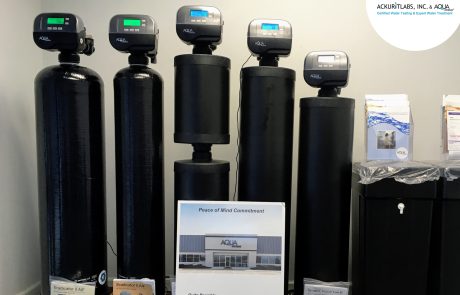
A conventional softener passes the supply through a bed of resin beads that grab calcium and magnesium; when the beads fill up, a brine rinse flushes the captured minerals to a drain. Laundry and dishes tend to come out cleaner where the minerals have been removed; the lab result still decides what else belongs in the plan.
Alternatives to the Brine Tank: No Drain, No Salt, Different Results
These devices work on how scale sticks, and they do not strip the minerals out; they need no electricity in many designs. Because the minerals remain, soap and shampoo behave as they would on hard supply; ask what the device will not do.
The Charcoal Option – Granular Beds and Blocks
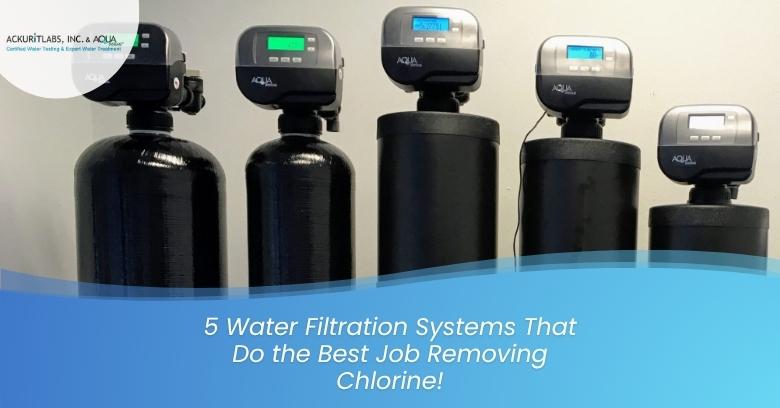
Porous carbon traps many organic molecules and chlorine on its surfaces as flow moves across them; each type of carbon targets specific compounds, so the media is picked to suit the finding. Carbon has a limited capacity, and once it is spent, it stops doing its job, and the maker's change interval is a guide, not a promise.
Canisters on the Line: Sizes, Ratings and Swaps
A housing on the line holds a cartridge that screens out particles above a chosen size, which lets each cartridge last longer. Pressure falls as an element loads up, which is the practical signal to swap it; write the swap date on the canister.
Reverse Osmosis: Fair Expectations
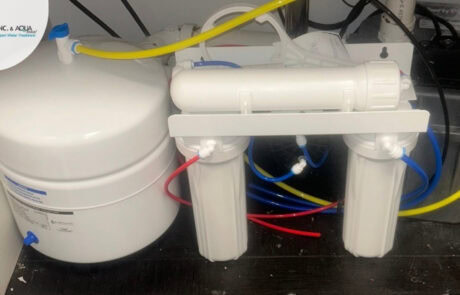
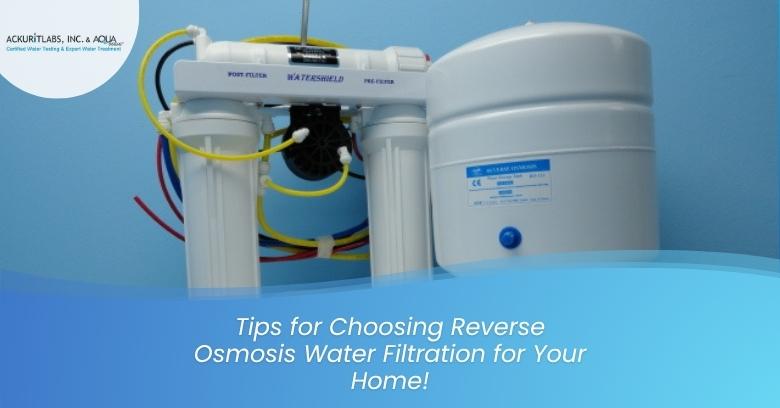
Pressure pushes the supply against a semipermeable membrane, and most dissolved material is held back; compact units fit under a sink and serve a single tap. Reverse osmosis units reduce many dissolved substances, though performance varies by model and by supply; ask for the maintenance schedule in writing.
Injectors and Contact Tanks: Why Dose Control Matters
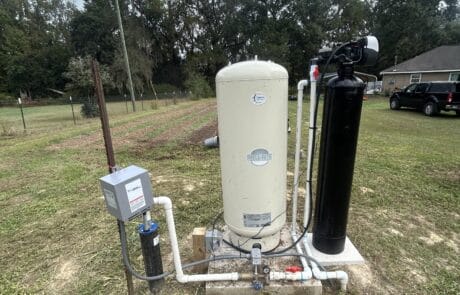
Where a well carries iron, sulfur or microbes, injecting chlorine is a long-established approach; the tank is sized to the flow of the well. The final stage polishes taste and removes what remains of the disinfectant; chemicals are stored and handled according to the label.
Treating Everything or Just the Faucet: What Each Layout Covers
Whole-house layouts put one set of equipment ahead of every fixture; larger tanks and brine cabinets take real room. Smaller units at one sink target what people drink, leaving the rest of the plumbing alone; ask for a simple diagram of the plan.
Matching the Unit to the House: What Undersizing Looks Like
Ratings printed on the label describe the equipment, and the installer matches them to the building; the number of bathrooms and people is part of the calculation. An undersized system forces flow past the media too fast, which weakens the result, and a vague one deserves a follow-up question.
Plumbing, Power and Drain Needs: Bypass Valves, Drains and Outlets
Valves around the equipment allow it to be taken out of service in minutes; chlorine feed pumps and contact tanks add their own requirements. Permits or inspections can be required in some jurisdictions, depending on the work; measure before ordering.
Two Starting Points: Planning Around the Source
Private wells deliver untreated groundwater, which can carry iron, sulfur, hardness and microbes, and equipment has to work with the pump's pressure and flow. A quick description of the plumbing path is enough to start the right conversation, and a lab report removes most of the guesswork.
When the Lights Go Out: Controllers, Pumps and Flooding
Pumps, injectors and controllers all depend on electricity, and an outage pauses every one of them, and a surge protector on the outlet is sensible protection for the electronics. If floodwater covered the wellhead, the supply itself needs a fresh lab sample; keep manuals and settings notes together.
Practical Details Homeowners Ask About: Tanks, Hums and Cabinets
Most residential units are quiet, and the sounds they make are short bursts when a valve cycles or a recharge runs, and a level pad keeps tanks from shifting. Leaving room to open lids, change cartridges and read gauges makes upkeep a quick job; a tank that cannot get through a doorway is a common surprise.
An Older System in the Garage – Keep, Repair or Replace
Equipment bought long ago was chosen for a supply that may have changed since, and the provider can often read the date code. New components usually have to fit the pipe sizes, the pressure and the drain already in place; nothing is replaced without a reason.
Equipment for Operations: Duplex Tanks and Bigger Flows
Larger buildings may need several tanks and manifolds, not one household unit; a duplex arrangement keeps soft supply flowing through each recharge. Staff who run the building need to know where the valves are and what each one does, and the provider can supply those if asked.
Routine Care: Salt, Cartridges and Media
Every type of equipment has a consumable: salt for softeners, cartridges for filters, membranes for osmosis units; a simple calendar reminder prevents most lapses. Any change from how the system used to behave is the cue to check it; an annual look at the controls is sensible.
The Second Sample – Numbers, Not Impressions
Measurements taken after setup show the change in black and white; schedule it when the system goes in. If a reading is still high, the report guides the next adjustment; the file is useful for a future sale.
Expectations Worth Setting – Matching Promises to Physics
Equipment performs within limits set by its design, the supply and the upkeep; claims about results should point to a published test method. A fair provider will tell you when equipment is not the fix, or not the whole fix, and a plain no is sometimes the most useful answer.
What to Ask at the Door: Scope, Parts and Follow-Up
- Which readings on the report are meant to change, and which are not expected to, and what stays the same afterward.
- Which local rules apply to this installation, and who handles them; ask for a copy of the manuals too.
- Where should the paperwork for the system be stored; write the answers down.
Talking It Through: Questions Are the Starting Point
Phone Ackuritlabs And Aqua Systems at 850-616-2634 and ask what to collect before any equipment is chosen.
In Plain Terms – Upkeep Keeps It Working
Good outcomes come from habits worth repeating: testing first, buying second and checking afterward; whatever has brought you to read about Water Softening Service near Tallahassee Florida, a short call sorts out where to begin. The number to call is 850-616-2634, and the conversation is the first step; the call goes quickly.
Verified

Verified
Verified
Verified
Verified