Weighing Options for Carbon Cartridge Filter Installation Around Wakulla County Florida?
Good installations start from a lab result and work toward a device that suits it, and the sections below cover sizing, setup and upkeep.
Speak with Ackuritlabs And Aqua Systems at 850-616-2634 to talk through what the tap has been doing.
Where Treatment Begins: Naming the Target
Equipment bought off a shelf may handle a different problem than the one at the tap, which keeps the proposal tied to evidence. Where no result exists yet, a provider can often suggest what to measure; skipping ahead is where most mismatches begin.
Resin Tanks: How the Resin Works
The beads in a softener hold hardness minerals until they are rinsed clean, and a salt or potassium brine recharges the bed on a schedule. Laundry and dishes tend to come out cleaner where the minerals have been removed; the lab result still decides what else belongs in the plan.
Template-Assisted Units – Setting Expectations
A salt-free unit does not remove calcium or magnesium; it alters how those minerals behave; they need no electricity in many designs. Because the minerals remain, soap and shampoo behave as they would on hard supply, and a good provider explains that before the purchase.
Activated Carbon: Chlorine, Odors and Organic Traces
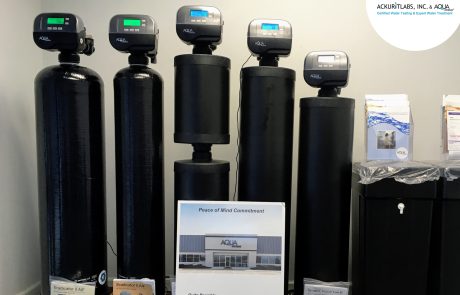
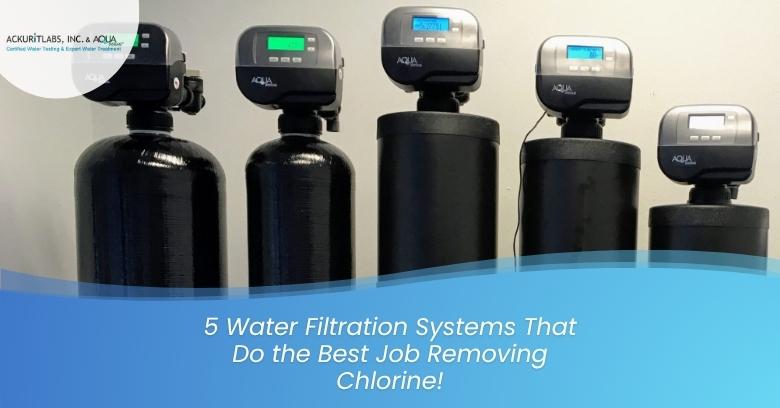
Surfaces inside the carbon grab onto particular chemicals, leaving a cleaner taste behind; each type of carbon targets specific compounds, so the media is picked to suit the finding. Contact time and flow rate affect results, and a unit pushed too hard performs worse; keeping a date on the housing is a good habit.
The Filter Under the Cap – Why Order Matters
Grit and flakes get stopped by a pleated or wound element sitting in a clear or opaque canister, and the sequence is part of the design. Pressure falls as an element loads up, which is the practical signal to swap it; write the swap date on the canister.
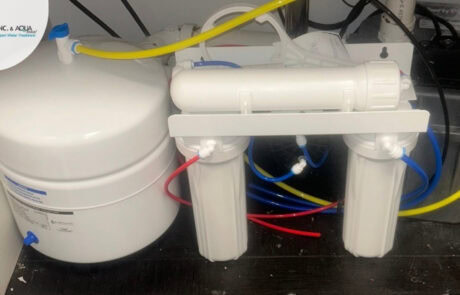
The Under-Sink Purifier – Dissolved Solids Reduced
Pressure pushes the supply against a semipermeable membrane, and most dissolved material is held back; most home units sit under a sink and serve one tap. The reduction achieved depends on membrane condition, pressure and what is in the feed, and a membrane may last for a long stretch if it is protected.
Chlorination: What the Installer Sets Up
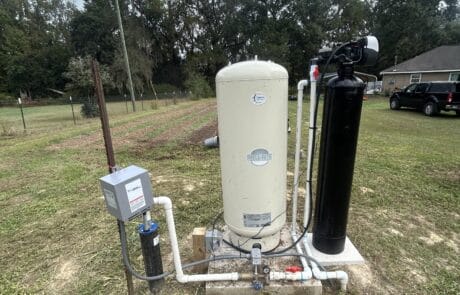
Where a well carries iron, sulfur or microbes, injecting chlorine is a long-established approach; the chlorine oxidizes iron and sulfide into forms that can be filtered out. The final stage polishes taste and removes what remains of the disinfectant; a wrong dose helps nobody.
Whole-House or Single-Tap – One Tap, One Sink, One Appliance
Point-of-entry installations deal with problems that affect the entire plumbing system; scale, iron and chlorine are the usual reasons to go this route. Smaller units at one sink target what people drink, leaving the rest of the plumbing alone; a layout on paper avoids surprises.
Matching the Unit to the House – People, Fixtures and Usage
The size of the housing and the volume of media set how much a system can handle; high readings use up capacity faster. Equipment that is too small works harder and wears out sooner, and a vague one deserves a follow-up question.
Space and Connections: Bypass Valves, Drains and Outlets
A bypass lets the household isolate a unit without shutting off the whole supply; a drain line, an air gap and a nearby outlet come with a softener. Permits or inspections can be required in some jurisdictions, depending on the work; measure before ordering.
Wells Versus City Lines: Different Problems, Different Gear
Raw well supply brings the chemistry of the ground straight to the plumbing, and the right system differs accordingly. A quick description of the plumbing path is enough to start the right conversation; photos of the existing equipment help.
Weather and the Equipment Room: Controllers, Pumps and Flooding
Electronic valves keep time with the power, so a clock that resets can trigger recharges at odd hours, and the manual shows how to reset the controller. Anything touched by flooding, including a well pump and chemical feed gear, deserves a professional look; write down the shutoff locations.
Where Everything Goes: Tanks, Hums and Cabinets
A recharge brings gurgling and flowing noises for a spell, usually at a scheduled hour, which is worth thinking through before delivery. Sunlight can damage clear housings and warm the supply, so shade is sensible outdoors; a sketch of the space helps the planning.
Inherited Hardware: Compatibility With Present Plumbing
Older units may still work but have worn parts, such as seals, valves, resin or membranes, and the provider can often read the date code. Adding a stage to an existing setup requires attention to order, flow rate and pressure drop; nothing is replaced without a reason.
Treatment at Business Scale: Written Specifications
Commercial installations are usually specified on paper, with flow rates and targets spelled out; a duplex arrangement keeps soft supply flowing through each recharge. Training the people on site about shutoffs and alarms prevents small problems from growing; ask what monitoring the equipment offers.
Service Schedule: Salt, Cartridges and Media
Soft supply depends on a brine tank that is kept stocked; a simple calendar reminder prevents most lapses. Any change from how the system used to behave is the cue to check it; an annual look at the controls is sensible.
The Second Sample – Numbers, Not Impressions
Comparing a new lab report against the original is how a household confirms the hardware did its job, and the lab can run the identical methods again. Expect a number lower than before, not necessarily a number of zero, and keeping both reports together tells the story.
What Equipment Cannot Do: Misuse and Misfit
No single device removes every substance, and a pitch that one box covers everything deserves doubt; claims about results should point to a published test method. A provider unwilling to discuss limits is one to think twice about; weigh each source on how specific it is.
What to Ask at the Door: Points Worth Raising
- Which lab results is the proposal based on, and which items does it address; ask for the reasoning in writing.
- Who installs the equipment, and who services it after the job is done; ask for a copy of the manuals too.
- What does a retest look like, and when is it scheduled; follow-up is as important as the install.
Getting Advice – One Call Sorts Out Next Steps
Dial Ackuritlabs And Aqua Systems at 850-616-2634 and ask what to collect before any equipment is chosen.
In Plain Terms – Upkeep Keeps It Working
Matching a device to a lab result, sizing it to the building and keeping up with upkeep is the whole recipe, because each property in Wakulla County Florida has its own story, whatever any page says about Carbon Cartridge Filter Installation. To get started, reach Ackuritlabs And Aqua Systems at 850-616-2634; mention whether the supply is a well or a utility line.
Verified

Verified
Verified
Verified
Verified