Looking for Residential Water Softener Installation Across Wakulla County Florida?
Equipment gets chosen to fix a measured problem, and the fix is only as good as the diagnosis behind it; read on for how the pieces fit together.
Call Ackuritlabs And Aqua Systems at 850-616-2634 to ask which questions come before any equipment.
The Step Ahead of the Purchase: Why Skipping It Backfires
Orange stains, chalky scale and a swampy smell can each have a separate cause, and each calls for different gear, and the figure is what a provider uses to size and pick the unit. Where no result exists yet, a provider can often suggest what to measure, and the choice of equipment follows once the numbers arrive.
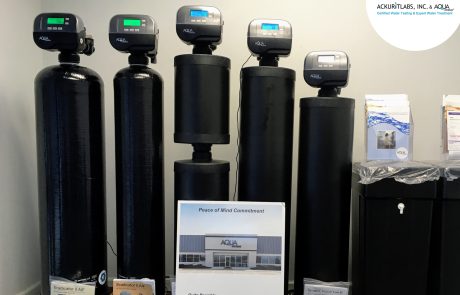
Taking Out Hardness: a Bed of Beads and a Brine Tank
The beads in a softener hold hardness minerals until they are rinsed clean, and the stored brine is topped up with salt as needed. Scale buildup on heaters, kettles and shower heads slows down where hardness has been removed, though a softener does little for iron staining beyond a modest level.
Conditioning Instead of Softening: No Drain, No Salt, Different Results
A salt-free unit does not remove calcium or magnesium; it alters how those minerals behave, though results vary with the water and the model. Anyone expecting the soft feel of a true softener should know the two are different things; asking for a plain description of the outcome avoids disappointment.
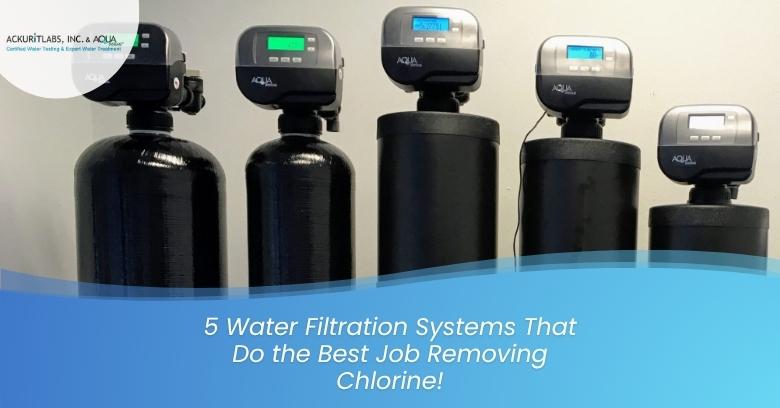
Carbon Filtration: Chlorine, Odors and Organic Traces
A carbon bed or block is the common answer when a city supply tastes or smells of disinfectant; each type of carbon targets specific compounds, so the media is picked to suit the finding. Carbon has a limited capacity, and once it is spent, it stops doing its job; keeping a date on the housing is a good habit.
Cartridges and Sediment Filters – Catching Grit Before It Travels On
Grit and flakes get stopped by a pleated or wound element sitting in a clear or opaque canister, and a smaller rating catches finer particles but clogs sooner. Putting stages in the wrong order shortens the life of the costlier cartridge; a wrench for the housing is a worthwhile purchase.
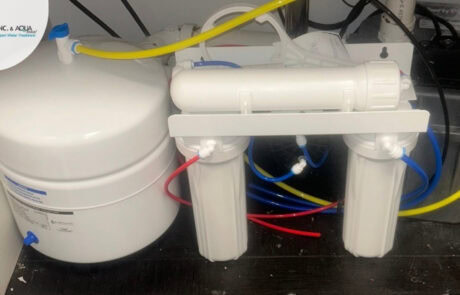
The Under-Sink Purifier: Pressure, Membrane and Reject Stream
A membrane passes the liquid and rejects a large share of dissolved salts and other solids, and a small storage tank holds finished supply for the dedicated faucet. The reduction achieved depends on membrane condition, pressure and what is in the feed; ask for the maintenance schedule in writing.
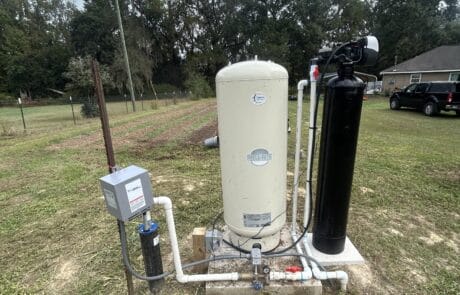
Treating Iron, Sulfur and Microbes: Why Dose Control Matters
A metering pump feeds sodium hypochlorite into the flow, and a tank gives it time to react, and the dose is set from lab readings. The final stage polishes taste and removes what remains of the disinfectant; a wrong dose helps nobody.
Point of Entry Versus Point of Use – One Tap, One Sink, One Appliance
Everything inside the building sees treated flow when equipment sits at the entry; scale, iron and chlorine are the usual reasons to go this route. Smaller units at one sink target what people drink, leaving the rest of the plumbing alone, and it shows which walls and lines are involved.
Flow Rate and Capacity: What Undersizing Looks Like
The size of the housing and the volume of media set how much a system can handle; a unit that is too small shortens the time between regenerations. Equipment that is too small works harder and wears out sooner, and a vague one deserves a follow-up question.
Space and Connections: Tying Into Existing Lines
Shutoffs on both sides of a unit make servicing simple; chlorine feed pumps and contact tanks add their own requirements. Local plumbing and electrical rules may apply, and the installer is the one to know them, and clear labels on valves help the next person.
Two Starting Points: Different Problems, Different Gear
Private wells deliver untreated groundwater, which can carry iron, sulfur, hardness and microbes; sediment and iron tend to be the early concerns. Equipment picked from a neighbor's experience may not suit a different source; photos of the existing equipment help.
When the Lights Go Out – Protecting Gear From Surge and Silt
Electronic valves keep time with the power, so a clock that resets can trigger recharges at odd hours, since a stuck valve is easier to catch early. Anything touched by flooding, including a well pump and chemical feed gear, deserves a professional look; ask the installer what to do before a storm.
Noise, Space and Appearance: Tanks, Hums and Cabinets
A recharge brings gurgling and flowing noises for a spell, usually at a scheduled hour; a garage, a utility closet or a pump house is the usual home. Some owners build a small enclosure, though it must not block air or access; a tank that cannot get through a doorway is a common surprise.
Replacement and Add-Ons: Test Before Deciding
Inherited hardware is worth examining before anything new is added; the model number on the label usually leads to a manual and a parts list. The simplest upgrade is often a fresh set of cartridges or media, not a new system, and the installer should explain what is being kept.
Equipment for Operations: Written Specifications
Commercial installations are usually specified on paper, with flow rates and targets spelled out, and a controller can log regeneration cycles. Staff who run the building need to know where the valves are and what each one does, because early warning beats a repair.
Upkeep: Salt, Cartridges and Media
Treatment is not a one-time purchase, since something wears out or runs low on every system; a label on each housing with the install date helps. Warning signs include a return of the old taste, scale reappearing and a drop in pressure; do not wait for a complete failure.
Verifying What Changed: Tracking Performance
Nothing beats a repeat panel for showing whether the readings moved, which matters for cartridges and media that wear. Expect a number lower than before, not necessarily a number of zero; a short note on the equipment installed completes the record.
Where Hardware Stops – Read the Fine Print
No single device removes every substance, and a pitch that one box covers everything deserves doubt; read the data sheet, not just the front of the box. Honest answers sound specific, and vague answers sound like a sales line; nothing here replaces advice for your property.
A Short Interview: Scope, Parts and Follow-Up
- Which lab results is the proposal based on, and which items does it address; vague answers deserve a follow-up.
- Who installs the equipment, and who services it after the job is done, and how can questions be raised afterward.
- What does a retest look like, and when is it scheduled, and what does it say about future servicing.
Start the Conversation: Bring What You Know
Dial Ackuritlabs And Aqua Systems at 850-616-2634 and describe the house, the plumbing and what you want changed.
In Plain Terms: Matching Hardware to the Finding
A dependable setup follows a sequence: measure the supply, pick equipment to suit, install it carefully and test again, and everything above about Residential Water Softener Installation in Wakulla County Florida is general background, not a verdict. You can speak with Ackuritlabs And Aqua Systems at 850-616-2634 about your plumbing and your goals, and share what the lab report shows.
Verified

Verified
Verified
Verified
Verified