Shopping for Residential Water Treatment Company Throughout Wakulla County Florida?
Equipment gets chosen to fix a measured problem, and the fix is only as good as the diagnosis behind it, and the sections below explain how the common options differ.
Call Ackuritlabs And Aqua Systems at 850-616-2634 and describe the stains, scale or smells you want gone.
The Step Ahead of the Purchase: a Lab Number Beats a Guess
Three households with the same complaint can need three different systems, because the underlying chemistry differs; having a report on hand speeds everything up. Even a brief description of the symptoms helps decide which measurements to order; the equipment decision waits until the numbers are in.
The Salt-Based Softener: a Bed of Beads and a Brine Tank
Inside the tank, tiny resin beads attract the minerals that cause scale and give up sodium or potassium in return, and a salt or potassium brine recharges the bed on a schedule. Where a softener is sized correctly, white crust becomes much less of a chore, and it will not change the taste of the supply on its own.
Scale Control Without Salt: What They Do and Do Not Do
A salt-free unit does not remove calcium or magnesium; it alters how those minerals behave; they need no electricity in many designs. Because the minerals remain, soap and shampoo behave as they would on hard supply; being clear on this point prevents disputes later.
The Charcoal Option: Chlorine, Odors and Organic Traces
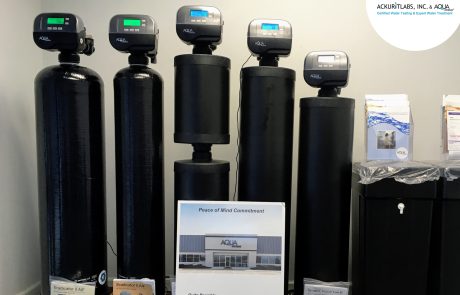
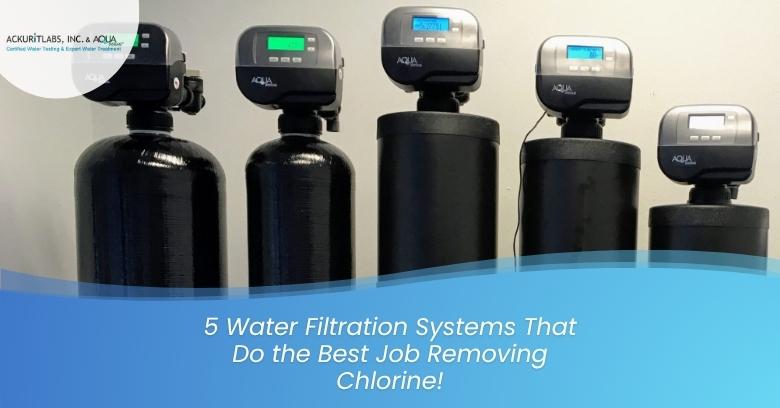
Porous carbon traps many organic molecules and chlorine on its surfaces as flow moves across them; it helps to know what the utility adds. Every carbon filter eventually fills up, so replacement or backwashing is part of owning one; a taste that creeps back is the usual reminder.
Canisters on the Line: Keeping Spare Elements
Particle filters are the first stage in many systems, catching whatever would clog the rest; a series of coarse then fine elements spreads the load. Putting stages in the wrong order shortens the life of the costlier cartridge; replacements are sold by size, so note the model.
Reverse Osmosis: Fair Expectations
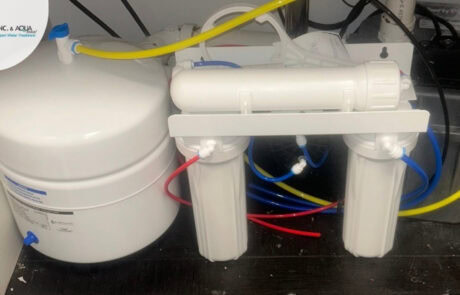
A small pump or the line pressure drives the flow through a membrane with extremely fine pores, while larger units serve whole buildings. A lab test before and after is the reliable way to know what a particular system achieves; a leak sensor is a sensible add-on.
Oxidation Systems – the Carbon Stage Afterward
A pump, a tank and a backwashing filter form the heart of a chlorination setup, and the dose is set from lab readings. Residual chlorine has to be removed afterward, and a carbon filter normally takes that job; chemicals are stored and handled according to the label.
Scope of a System – One Tap, One Sink, One Appliance
A unit at the main line treats every tap, the shower, the washer and the water heater; a garage or utility closet often becomes the home. Where only one fixture matters, a compact installation avoids treating the whole house; the provider can sketch where each unit would go.
Choosing a Capacity – People, Fixtures and Usage
Ratings printed on the label describe the equipment, and the installer matches them to the building, along with the hardness or iron level on the lab report. Oversizing has drawbacks too, since idle media can foul and extra tanks need space, and an installer should explain why a particular size was chosen.
Installation Details: Bypass Valves, Drains and Outlets
Valves around the equipment allow it to be taken out of service in minutes; a drain line, an air gap and a nearby outlet come with a softener. Checking with the local office is sensible before anything is cut or glued, and access for servicing should be planned from the start.
Supply Source Matters: Different Problems, Different Gear
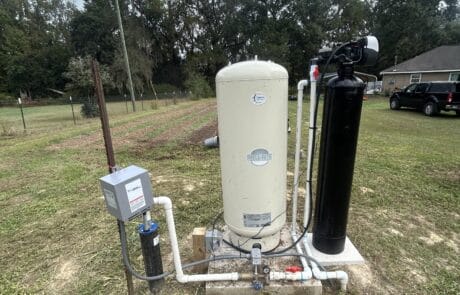
Private wells deliver untreated groundwater, which can carry iron, sulfur, hardness and microbes; sediment and iron tend to be the early concerns. A carbon unit that suits a city line may be useless against the main problem of a well; each property gets its own plan.
When the Lights Go Out – Resetting the Clock and the Valve
Pumps, injectors and controllers all depend on electricity, and an outage pauses every one of them; a quick look at the salt level and the drain line completes the check. Anything touched by flooding, including a well pump and chemical feed gear, deserves a professional look; photographs taken before the season make later comparisons easier.
Practical Details Homeowners Ask About – Reaching the Controls
Most residential units are quiet, and the sounds they make are short bursts when a valve cycles or a recharge runs, which is worth thinking through before delivery. Sunlight can damage clear housings and warm the supply, so shade is sensible outdoors, and the installer can suggest a layout.
Upgrading What Is Already There: Test Before Deciding
Inherited hardware is worth examining before anything new is added, which helps weigh a repair against a new unit. A sediment screen or a carbon stage can often be added without replacing everything; ask for a plain list of what changes and what stays.
Equipment for Operations – Coordinating With Maintenance
Restaurants, offices and apartment buildings draw far more than a house, and the gear is scaled to match; the existing mechanical room often decides what fits. Written procedures and a labeled schematic make handovers between staff smoother, because early warning beats a repair.
Service Schedule: Salt, Cartridges and Media
Filters eventually clog, and carbon eventually saturates, so each has a replacement interval; keep the paperwork in one place. Bad smells from a filter housing mean it has gone too long, and a retest confirms the numbers.
Confirming the Result – Numbers, Not Impressions
A sample collected after the system is running shows whether the problem was solved, and the lab can run the identical methods again. A result that falls short is information, and it points to what to add or change; store copies where they can be found.
Where Hardware Stops: Misuse and Misfit
No single device removes every substance, and a pitch that one box covers everything deserves doubt; claims about results should point to a published test method. Honest answers sound specific, and vague answers sound like a sales line, and the same standard applies to anything written on this page.
Comparing Proposals – Written Answers Preferred
- What does the proposal assume about hardness, iron and chlorine, and where did those figures come from; vague answers deserve a follow-up.
- Who installs the equipment, and who services it after the job is done; ask for a copy of the manuals too.
- What does a retest look like, and when is it scheduled; ask about it before work starts.
Planning a System: Bring What You Know
Contact Ackuritlabs And Aqua Systems at 850-616-2634 and describe the house, the plumbing and what you want changed.
In Plain Terms: Matching Hardware to the Finding
The reliable path runs from a lab figure, through a sensible choice of equipment, to a retest that shows the change; this page on Residential Water Treatment Company in Wakulla County Florida is a starting point, and the details of each property decide the rest. The number to call is 850-616-2634, and the conversation is the first step, and share what the lab report shows.
Verified

Verified
Verified
Verified
Verified