Weighing Options for Water Filtration Around Wakulla County Florida?
Good installations start from a lab result and work toward a device that suits it, and the sections below cover sizing, setup and upkeep.
Phone Ackuritlabs And Aqua Systems at 850-616-2634 to ask how an installation is planned.
Before Any Equipment – Reading the Problem Correctly
Orange stains, chalky scale and a swampy smell can each have a separate cause, and each calls for different gear; a sample sent to a laboratory turns a guess into a figure. Anyone without a recent report can usually be pointed to a suitable panel first, and a short delay beats replacing the wrong unit.
Taking Out Hardness – Swapping Minerals for Sodium or Potassium
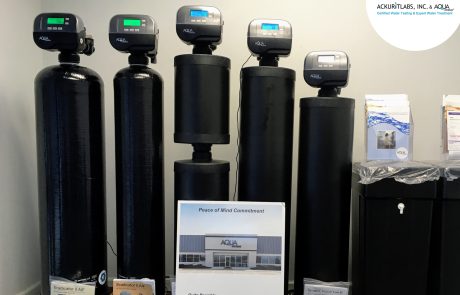
Inside the tank, tiny resin beads attract the minerals that cause scale and give up sodium or potassium in return, and the stored brine is topped up with salt as needed. Scale buildup on heaters, kettles and shower heads slows down where hardness has been removed; the lab result still decides what else belongs in the plan.
Scale Control Without Salt: No Drain, No Salt, Different Results
These devices work on how scale sticks, and they do not strip the minerals out, though results vary with the water and the model. Expect scale to be reduced rather than eliminated, and expect no change in how soap lathers; being clear on this point prevents disputes later.
Taste and Odor Control – Granular Beds and Blocks
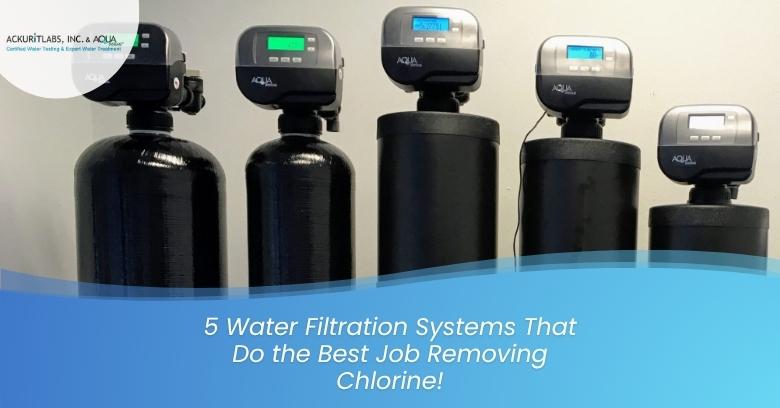
Carbon holds onto certain compounds as supply passes through, which cuts chlorine taste and some odors; it helps to know what the utility adds. Capacity depends on how much is in the supply and how much a household uses; a pre-filter often extends the life of the carbon.
The Filter Under the Cap – Catching Grit Before It Travels On
Grit and flakes get stopped by a pleated or wound element sitting in a clear or opaque canister, and a smaller rating catches finer particles but clogs sooner. Pressure falls as an element loads up, which is the practical signal to swap it; write the swap date on the canister.
Reverse Osmosis: Where It Sits and What It Wastes
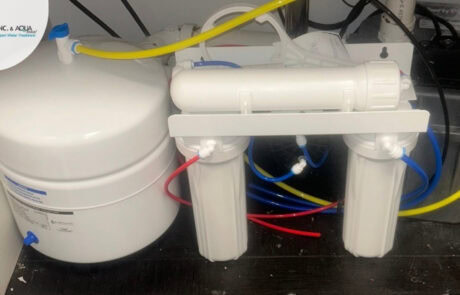
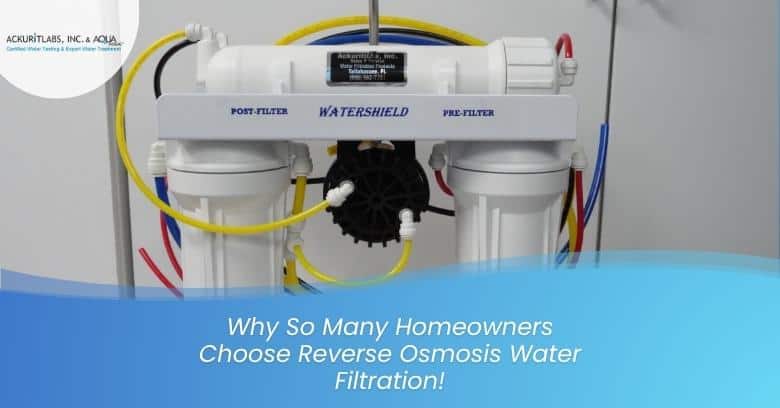
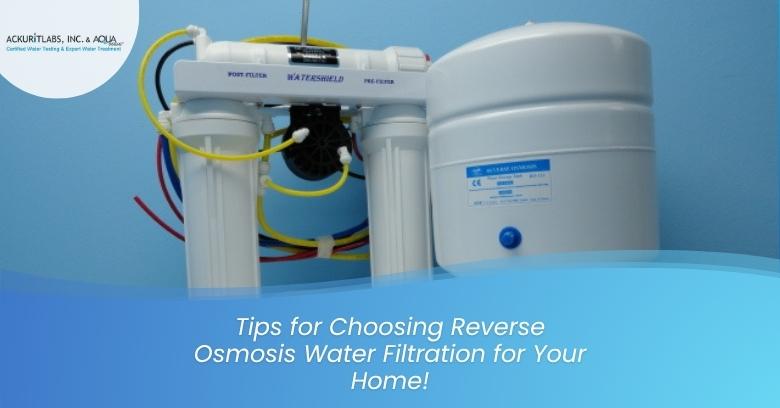
A small pump or the line pressure drives the flow through a membrane with extremely fine pores; compact units fit under a sink and serve a single tap. Reverse osmosis units reduce many dissolved substances, though performance varies by model and by supply; a leak sensor is a sensible add-on.
Feeding Chlorine Into the Line – Time, Dose and Cleanup
The setup pairs a feed pump with a retention tank so the chlorine has time to work, and it also acts on bacteria in the supply. The final stage polishes taste and removes what remains of the disinfectant, and the setup should be checked after the first weeks.
Treating Everything or Just the Faucet – Matching Scope to Need
Equipment where the supply enters the building protects all the plumbing downstream; scale, iron and chlorine are the usual reasons to go this route. Single-tap filters and membranes work where only drinking supply needs the extra step, and it shows which walls and lines are involved.
Flow Rate and Capacity: Gallons per Minute and Grains
Treating the household's peak demand, not its average, keeps pressure from dropping; a bigger tank may be the practical answer. When a unit is too small, pressure falls at fixtures during busy mornings; the sizing is not a mystery.
Practical Requirements: Tying Into Existing Lines
Good installations include a way to route flow around the unit when needed; chlorine feed pumps and contact tanks add their own requirements. Whoever does the installation should be able to say what the local rules ask for, and access for servicing should be planned from the start.
Private Source or Public Main: Different Problems, Different Gear
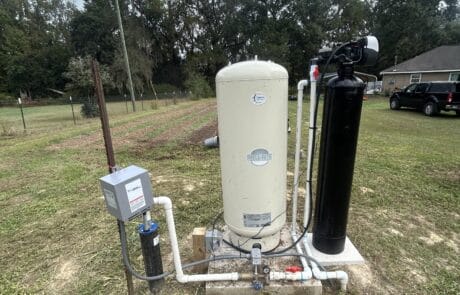
Raw well supply brings the chemistry of the ground straight to the plumbing; sediment and iron tend to be the early concerns. A quick description of the plumbing path is enough to start the right conversation; neighbors on the same aquifer can still differ.
Hurricane-Season Readiness: What to Check Afterward
Electronic valves keep time with the power, so a clock that resets can trigger recharges at odd hours, and a surge protector on the outlet is sensible protection for the electronics. If floodwater covered the wellhead, the supply itself needs a fresh lab sample, and the provider can describe what a post-storm check involves.
Living With the Equipment: Tanks, Hums and Cabinets
Compressors and pumps are the noisiest parts of larger systems, and they normally sit in a mechanical space; a garage, a utility closet or a pump house is the usual home. Sunlight can damage clear housings and warm the supply, so shade is sensible outdoors, and the installer can suggest a layout.
Working With Existing Equipment – Keep, Repair or Replace
Inherited hardware is worth examining before anything new is added, which helps weigh a repair against a new unit. New components usually have to fit the pipe sizes, the pressure and the drain already in place, and old manuals are worth saving.
Commercial Systems: Duplex Tanks and Bigger Flows
Restaurants, offices and apartment buildings draw far more than a house, and the gear is scaled to match, and a drawing of the proposed layout is a reasonable request. Written procedures and a labeled schematic make handovers between staff smoother; ask what monitoring the equipment offers.
Routine Care: What Gets Neglected
Filters eventually clog, and carbon eventually saturates, so each has a replacement interval; the manual lists intervals, though a heavy load shortens them. Any change from how the system used to behave is the cue to check it; an annual look at the controls is sensible.
Verifying What Changed – Numbers, Not Impressions
The most reliable verification is a fresh panel run on the same items as before, which matters for cartridges and media that wear. If a reading is still high, the report guides the next adjustment; dates on everything keep the record clear.
Honest Limits: Questions for Any Seller
No single device removes every substance, and a pitch that one box covers everything deserves doubt; read the data sheet, not just the front of the box. Honest answers sound specific, and vague answers sound like a sales line, and the same standard applies to anything written on this page.
A Short Interview: Points Worth Raising
- Does the plan name the substances it targets, rather than speaking in general terms; vague answers deserve a follow-up.
- Who installs the equipment, and who services it after the job is done; clear scope prevents surprises.
- What does a retest look like, and when is it scheduled; ask about it before work starts.
Talking It Through: Questions Are the Starting Point
Dial Ackuritlabs And Aqua Systems at 850-616-2634 and ask what to collect before any equipment is chosen.
What to Remember: Matching Hardware to the Finding
Good outcomes come from habits worth repeating: testing first, buying second and checking afterward; this page on Water Filtration in Wakulla County Florida is a starting point, and the details of each property decide the rest. The number to call is 850-616-2634, and the conversation is the first step; mention whether the supply is a well or a utility line.
Verified

Verified
Verified
Verified
Verified