Need Cartridge Filter Installation Throughout Woodville Florida?
Matching the device to the finding is what separates a useful installation from a blind guess, and the sections below explain how the common options differ.
Phone Ackuritlabs And Aqua Systems at 850-616-2634 to talk through what the tap has been doing.
Where Treatment Begins – Results Decide the Hardware
Equipment bought off a shelf may handle a different problem than the one at the tap; a sample sent to a laboratory turns a guess into a figure. If the history of the supply is unknown, a baseline panel is the sensible opener, and the choice of equipment follows once the numbers arrive.
Taking Out Hardness – Swapping Minerals for Sodium or Potassium
The core of a standard softener is a resin bed that exchanges hardness minerals for a softer ion; a control valve decides when to regenerate by clock or by usage. Less mineral reaching the pipes also means less deposit inside them; the lab result still decides what else belongs in the plan.
Salt-Free Conditioners: No Drain, No Salt, Different Results
Nothing is exchanged, so the lab number for hardness reads the same before and after, and maintenance is limited to replacing the media on a schedule. Anyone expecting the soft feel of a true softener should know the two are different things; asking for a plain description of the outcome avoids disappointment.
Activated Carbon: Chlorine, Odors and Organic Traces
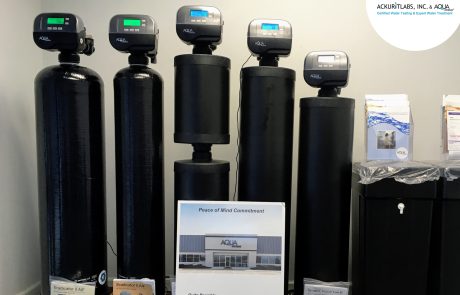
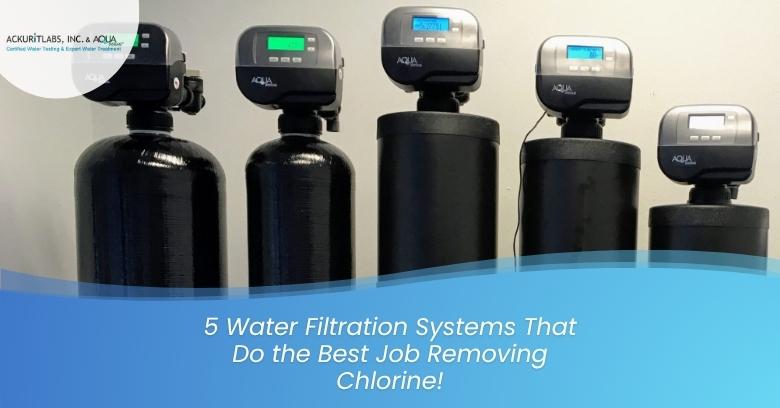
Filters based on carbon are the usual choice for chlorine taste and many household odors, and ordinary carbon handles free chlorine more easily than chloramine. Carbon has a limited capacity, and once it is spent, it stops doing its job, and the maker's change interval is a guide, not a promise.
Canisters on the Line – Why Order Matters
Particle filters are the first stage in many systems, catching whatever would clog the rest, which lets each cartridge last longer. The installer chooses which element goes first, because a clogged first stage starves the rest; write the swap date on the canister.
Membrane Systems: Fair Expectations
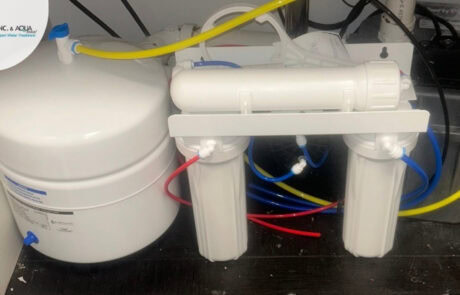
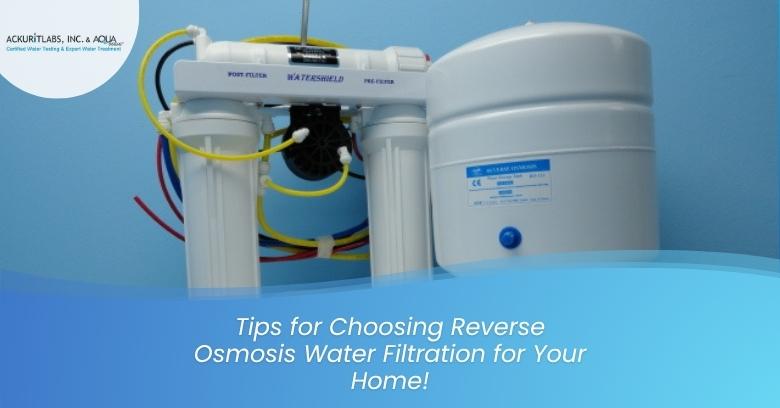
A membrane passes the liquid and rejects a large share of dissolved salts and other solids, and a small storage tank holds finished supply for the dedicated faucet. Reverse osmosis units reduce many dissolved substances, though performance varies by model and by supply; a leak sensor is a sensible add-on.
Feeding Chlorine Into the Line – Time, Dose and Cleanup
A metering pump feeds sodium hypochlorite into the flow, and a tank gives it time to react; time in the tank is what makes the reaction complete. After the contact tank, a carbon stage strips leftover chlorine so the tap smells clean; a wrong dose helps nobody.
Where the Equipment Sits: Choosing the Footprint
Everything inside the building sees treated flow when equipment sits at the entry; scale, iron and chlorine are the usual reasons to go this route. Single-tap filters and membranes work where only drinking supply needs the extra step; ask for a simple diagram of the plan.
Sizing – People, Fixtures and Usage
Treating the household's peak demand, not its average, keeps pressure from dropping; a unit that is too small shortens the time between regenerations. An undersized system forces flow past the media too fast, which weakens the result, and an installer should explain why a particular size was chosen.
Plumbing, Power and Drain Needs: Tying Into Existing Lines
Most systems need a bypass valve so the plumbing can keep flowing during service; chlorine feed pumps and contact tanks add their own requirements. Permits or inspections can be required in some jurisdictions, depending on the work, and clear labels on valves help the next person.
Supply Source Matters: Planning Around the Source
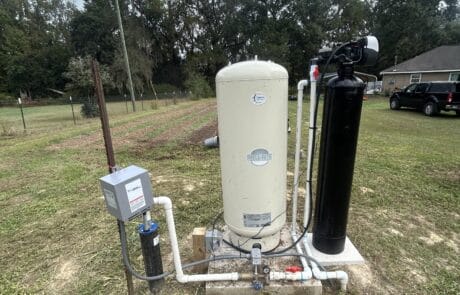
A well has no utility between it and the tap, so equipment often handles more of the load; wells also bring a pump and a pressure tank into the plan. A carbon unit that suits a city line may be useless against the main problem of a well; each property gets its own plan.
Weather and the Equipment Room – Protecting Gear From Surge and Silt
Pumps, injectors and controllers all depend on electricity, and an outage pauses every one of them, and the manual shows how to reset the controller. A flooded system should be shut off and checked before use, since damage is not always visible; ask the installer what to do before a storm.
Day-to-Day Presence – Reaching the Controls
Compressors and pumps are the noisiest parts of larger systems, and they normally sit in a mechanical space; a garage, a utility closet or a pump house is the usual home. Sunlight can damage clear housings and warm the supply, so shade is sensible outdoors, and the provider should ask about access.
Working With Existing Equipment – Reading Old Labels
A house may come with equipment that nobody remembers installing, so a look at the labels is the first step, and the readings guide whether to repair, keep or replace. A sediment screen or a carbon stage can often be added without replacing everything; nothing is replaced without a reason.
Commercial Systems – Coordinating With Maintenance
Larger buildings may need several tanks and manifolds, not one household unit; a duplex arrangement keeps soft supply flowing through each recharge. A property manager benefits from a maintenance plan that lists tasks, intervals and who does them, and the provider can supply those if asked.
Routine Care: What Gets Neglected
Every type of equipment has a consumable: salt for softeners, cartridges for filters, membranes for osmosis units; the manual lists intervals, though a heavy load shortens them. If stains come back, or the taste creeps back, something in the chain has used up its capacity; the provider can inspect and adjust.
Proof After Installation: When to Retest
Nothing beats a repeat panel for showing whether the readings moved; schedule it when the system goes in. Some substances respond well and others hardly at all, which the new figures reveal; a short note on the equipment installed completes the record.
Expectations Worth Setting – Matching Promises to Physics
A softener will not make a supply taste different, and a carbon filter will not soften it; compare the data sheet with your lab report. Honest answers sound specific, and vague answers sound like a sales line; nothing here replaces advice for your property.
Before You Sign – Written Answers Preferred
- Which lab results is the proposal based on, and which items does it address, and what stays the same afterward.
- What parts and consumables are needed, and how often do they need replacing; get the details itemized.
- What signs should prompt a call before the next scheduled check; write the answers down.
Planning a System: Describe the Problem First
Speak with Ackuritlabs And Aqua Systems at 850-616-2634 and describe the house, the plumbing and what you want changed.
Pulling the Threads: Matching Hardware to the Finding
Good outcomes come from habits worth repeating: testing first, buying second and checking afterward; whatever has brought you to read about Cartridge Filter Installation near Woodville Florida, a short call sorts out where to begin. Questions are welcome at 850-616-2634, where Ackuritlabs And Aqua Systems can lay out the options; mention whether the supply is a well or a utility line.
Verified

Verified
Verified
Verified
Verified