Looking for Commercial Water Filtration in Woodville Florida?
Good installations start from a lab result and work toward a device that suits it; the sections below describe what each option does and where it stops.
Dial Ackuritlabs And Aqua Systems at 850-616-2634 to ask which questions come before any equipment.
Before Any Equipment: a Lab Number Beats a Guess
Equipment bought off a shelf may handle a different problem than the one at the tap, and the figure is what a provider uses to size and pick the unit. Where no result exists yet, a provider can often suggest what to measure; skipping ahead is where most mismatches begin.
Taking Out Hardness: Regeneration in Plain Terms
A conventional softener passes the supply through a bed of resin beads that grab calcium and magnesium; a control valve decides when to regenerate by clock or by usage. Less mineral reaching the pipes also means less deposit inside them; it is not meant to filter out bacteria or chemicals.
Salt-Free Conditioners – Changing How Scale Forms
The minerals stay in the supply, but the device nudges them toward forming less scale on surfaces, and maintenance is limited to replacing the media on a schedule. Anyone expecting the soft feel of a true softener should know the two are different things; being clear on this point prevents disputes later.
The Charcoal Option – Contact Time and Capacity
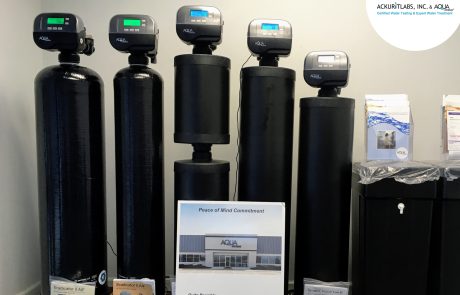
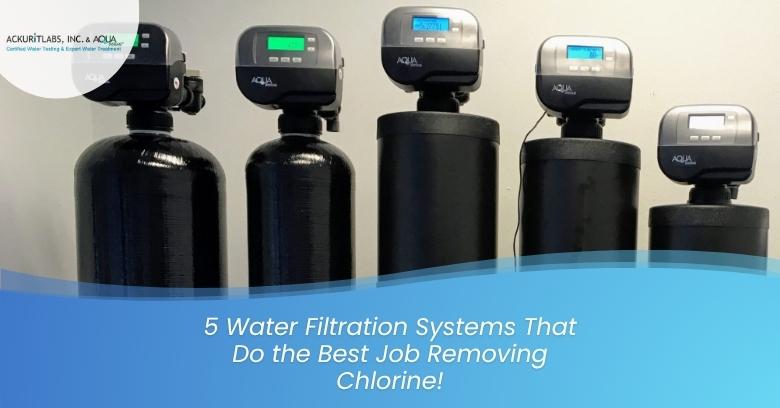
Surfaces inside the carbon grab onto particular chemicals, leaving a cleaner taste behind; it helps to know what the utility adds. Carbon has a limited capacity, and once it is spent, it stops doing its job; keeping a date on the housing is a good habit.
Housings and Replaceable Elements – Catching Grit Before It Travels On
Particle filters are the first stage in many systems, catching whatever would clog the rest, and the sequence is part of the design. The installer chooses which element goes first, because a clogged first stage starves the rest; keep a spare cartridge on a shelf.
The Under-Sink Purifier – Storage Tank, Faucet and Drain
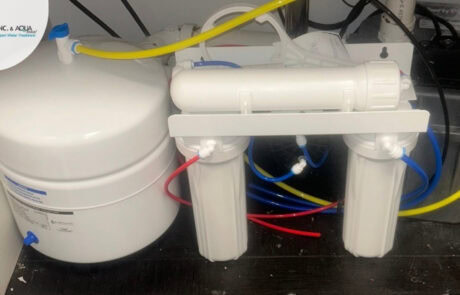
A membrane passes the liquid and rejects a large share of dissolved salts and other solids; the rejected stream runs to a drain, so a connection to the sink drain is part of the installation. Some units add minerals back after the membrane to adjust taste, and a membrane may last for a long stretch if it is protected.
Treating Iron, Sulfur and Microbes – the Carbon Stage Afterward
A chlorine injector meters a small amount of disinfectant into the line ahead of a holding tank, and the dose is set from lab readings. After the contact tank, a carbon stage strips leftover chlorine so the tap smells clean; chemicals are stored and handled according to the label.
Whole-House or Single-Tap – One Tap, One Sink, One Appliance
A unit at the main line treats every tap, the shower, the washer and the water heater, and the machinery needs floor space near the main shutoff. A point-of-use unit serves a single faucet, usually the kitchen, and suits drinking and cooking, and the two approaches work well together.
Flow Rate and Capacity – Pressure Drop and Pace
Equipment is rated by how fast supply can pass through it and by how much it can treat before servicing; the number of bathrooms and people is part of the calculation. When a unit is too small, pressure falls at fixtures during busy mornings; ask to see the numbers behind the recommendation.
Practical Requirements – Codes and Neighbors
Good installations include a way to route flow around the unit when needed; a drain line, an air gap and a nearby outlet come with a softener. Local plumbing and electrical rules may apply, and the installer is the one to know them; a tidy install is easier to maintain.
What Changes by Source – Raw Groundwater Versus Treated
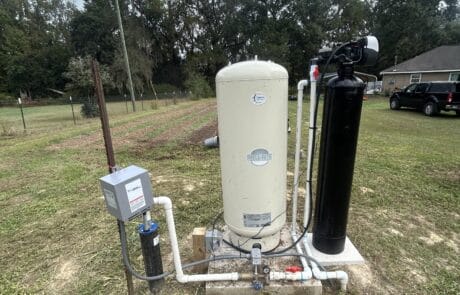
Private wells deliver untreated groundwater, which can carry iron, sulfur, hardness and microbes; sediment and iron tend to be the early concerns. A quick description of the plumbing path is enough to start the right conversation; photos of the existing equipment help.
Storms and Power Interruptions: Planning Before the Season
A unit left without power may skip a scheduled recharge, which leaves the media tired when flow resumes, and a surge protector on the outlet is sensible protection for the electronics. Equipment that sat in floodwater needs inspection before it goes back into service; photographs taken before the season make later comparisons easier.
Practical Details Homeowners Ask About: Keeping the Area Tidy
Compressors and pumps are the noisiest parts of larger systems, and they normally sit in a mechanical space; a garage, a utility closet or a pump house is the usual home. Some owners build a small enclosure, though it must not block air or access; a tank that cannot get through a doorway is a common surprise.
Replacement and Add-Ons: Planning a Sensible Sequence
A house may come with equipment that nobody remembers installing, so a look at the labels is the first step, and the provider can often read the date code. Mixing parts from different makers is possible, though compatibility needs checking, and the installer should explain what is being kept.
Larger Buildings and Heavier Demand: Boilers, Ice Machines and Kitchens
Restaurants, offices and apartment buildings draw far more than a house, and the gear is scaled to match, and a drawing of the proposed layout is a reasonable request. A property manager benefits from a maintenance plan that lists tasks, intervals and who does them, and it supports any later troubleshooting.
Upkeep: What Gets Neglected
Filters eventually clog, and carbon eventually saturates, so each has a replacement interval; the manual lists intervals, though a heavy load shortens them. Any change from how the system used to behave is the cue to check it; an annual look at the controls is sensible.
Confirming the Result – Filing the Evidence
Comparing a new lab report against the original is how a household confirms the hardware did its job; schedule it when the system goes in. Expect a number lower than before, not necessarily a number of zero; the file is useful for a future sale.
Honest Limits: Questions for Any Seller
Equipment performs within limits set by its design, the supply and the upkeep; read the data sheet, not just the front of the box. If a proposal does not mention the lab results, ask how it was reached; weigh each source on how specific it is.
Before You Sign: Points Worth Raising
- Which lab results is the proposal based on, and which items does it address; a specific answer is what you want.
- Which local rules apply to this installation, and who handles them, and how can questions be raised afterward.
- How will you know the equipment is working a few months from now; write the answers down.
Talking It Through: Describe the Problem First
Call Ackuritlabs And Aqua Systems at 850-616-2634 and describe the house, the plumbing and what you want changed.
Bringing It Together: Test, Choose, Install, Confirm
Good outcomes come from habits worth repeating: testing first, buying second and checking afterward, and everything above about Commercial Water Filtration in Woodville Florida is general background, not a verdict. Questions are welcome at 850-616-2634, where Ackuritlabs And Aqua Systems can lay out the options; the details you share shape the advice.
Verified

Verified
Verified
Verified
Verified