If you live in Tallahassee Florida or the nearby Crawfordville area, you are probably well aware of the importance of water quality. Whether it is for cooking, cleaning, or simply enjoying a glass of water from the tap, the kind of water that flows through your home can make a huge difference. That is where water treatment solutions come in, especially water softeners and water filters. While these terms are often used interchangeably, they serve different purposes and can have distinct impacts on your household. Understanding the key differences between water softeners and water filters is crucial, particularly if you are considering a water softener installation or weighing up which technology best meets your needs.
Water in Tallahassee and Crawfordville often contains minerals such as calcium and magnesium, which can cause hard water. This can cause a buildup of scale in your pipes, reduce the efficiency of your appliances, and leave unsightly spots on dishes and fixtures. Water softeners are designed specifically to address these issues, whereas water filters primarily focus on removing contaminants to improve taste, odor, and health.
These two systems are both common in Tallahassee Florida and the surrounding regions, but they are not one-size-fits-all. Some homes may only need one, while others benefit from both. The process of choosing between a water softener and a water filter - or deciding to install both - starts with understanding how each system works, what problems it solves, and the tangible benefits you can expect.
In this article, we will break down the six key differences between water softeners and water filters including how they work, what they remove, installation processes, maintenance requirements, impacts on household health, and long-term costs. If you are a homeowner or business owner in Tallahassee or Crawfordville Florida and thinking about water softener installation, read on! You will learn not only which system can tackle your specific water issues, but also why making the right choice is an investment in your home's comfort, efficiency, and value.
Let's get started by demystifying the difference between a water softener and a water filter so you can make the most informed decision for your property.
1. How They Work: The Core Mechanism
At the heart of the difference between water softeners and water filters is how each system treats water. Understanding this helps you make a smart choice for your home in Tallahassee or Crawfordville.
Water Softeners
A water softener's main job is to remove minerals that cause hard water, namely calcium and magnesium. The most common type uses a process called ion exchange. Simply put, as hard water passes through the system, the softener swaps the hard minerals for sodium or potassium ions, resulting in water that will not scale your pipes or wreck your appliances.
This is especially important in locations with naturally hard water, such as Tallahassee Florida where mineral content can be high. That is why water softener installation is so popular in the area. The improved water quality protects everything from your plumbing to your skin and hair.
Water Filters
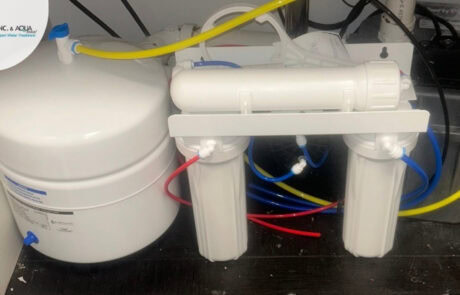
Water filters have a different job. Their primary role is to remove contaminants from the water. The contaminants might include chlorine, sediment, bacteria, pesticides, lead, or volatile organic compounds depending on the type of filter you use. Technologies here range from activated carbon and reverse osmosis to UV lights and sediment filtration.
While a water softener focuses specifically on minerals, water filters tackle a much broader array of impurities, providing cleaner, safer water for drinking and cooking.
2. What They Remove: Minerals vs Contaminants
The second big difference lies in what each system is designed to remove.
Water Softeners
Water softeners are designed exclusively to remove hard minerals of calcium and magnesium. That is it. They do not deal with chlorine, bacteria, or any of the chemical contaminants that could be lurking in your tap water.
So if your main issue is limescale buildup in your kettle, spots on your shower doors, or stiff laundry, a water softener is likely what you need.
Water Filters
In contrast, water filters excel at removing a wide spectrum of impurities. Sediment filters catch sand and rust; carbon filters remove chlorine and improve taste; reverse osmosis systems remove dissolved solids; and specialized cartridges can even target lead, arsenic, or bacteria.
Residents who want better-tasting, cleaner water, or are worried about health risks from specific contaminants usually turn to water filters for peace of mind.
3. Impact on Water Quality and Household Well-being
When it comes to improving household water quality, both softeners and filters offer unique benefits, but they affect your daily life in different ways.
Water Softeners
The benefits of softer water go far beyond just preventing scale. Installing a water softener in Tallahassee or Crawfordville can mean:
- Longer-lasting pipes and appliances like dishwashers or water heaters
- Softer skin and hair after showering
- Reduced soap and detergent use saving you money
- Cleaner, spot-free dishes and glassware
Water Filters
Water filters primarily advance water safety and taste:
- Better tasting and smelling tap water
- Reduced exposure to harmful contaminants
- Protection for infants, the elderly, and those with compromised immune systems
- Healthier, cleaner water for cooking and drinking
Depending on your household priorities, one or both systems might be necessary so that your home's water is both safe and enjoyable.
4. Installation: What to Expect
Water Softener Installation
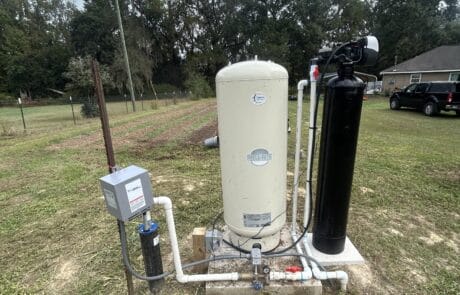
The process of installing a water softener in Tallahassee Florida or Crawfordville is relatively straightforward for most residential setups. Typically, a plumber will install the unit where water enters your home, usually near the main line or the water heater. The system requires a drain and access to electricity. It is critical to have the softener installed before the water reaches your hot water heater so that both hot and cold water throughout your house is softened.
Professional water softener installation is recommended to have leak-proof connections, optimal function, and compliance with local codes. Homeowners in Tallahassee and surrounding areas often hire experienced contractors familiar with the region's water hardness levels to calibrate their systems properly.
Water Filter Installation
The installation of water filters can vary depending on the system you choose. Some families install simple faucet or pitcher filters on their own, but more comprehensive solution such as whole-house or under-sink reverse osmosis systems often require professional installation.
Whole-home filters are usually installed right where water enters your house, just like a softener. Under-sink and point-of-use systems are typically easier for a handy homeowner to install, but may still require some basic plumbing knowledge.
Regardless of which system you choose, reliable water softener installation confirms that your water treatment solution works efficiently from day one.
5. Maintenance and Upkeep
Water Softeners
Water softeners require some routine care. Most notably, you will need to replenish the salt or potassium in the brine tank every few weeks or months. The exact frequency depends on water hardness and household usage. Periodic cleaning and system checks help prevent salt bridges and extend the unit's serviceable life.
Tallahassee and Crawfordville residents should also have their systems serviced annually to be sure that valves and resin tanks are working efficiently.
Water Filters
Maintenance for water filters hinges on the type and complexity of your system. Pitcher or faucet filters may need replacement cartridges every few weeks. Whole-house or reverse osmosis filters must have their cartridges or membranes replaced according to the manufacturer's guidelines, usually every 6 to 12 months.
Neglecting maintenance can reduce water quality and system efficiency, so it is best to stick to a regular schedule and monitor indicators that signal when replacement is due.
6. Long-term Costs and Value
Water Softeners
The upfront investment for a water softener system including installation can run from several hundred to a few thousand dollars, based on system size and features. Over time, operating costs include salt, electricity, and occasional servicing. Yet the savings from prolonged appliance serviceable life, reduced detergent use, and less plumbing maintenance often offset the initial cost.
Water Filters
Water filters range from very affordable like a basic pitcher to significant investments as with a whole-home system. Replacement filters are a recurring expense, so factor that into your long-term budget. For Tallahassee and Crawfordville homes concerned with both safety and taste, these ongoing costs are usually worthwhile for better quality and peace of mind.
Conclusion
Deciding between water softeners and water filters for your home in Tallahassee Florida or Crawfordville comes down to identifying your primary water concerns. If your main enemy is hard water scaling up your pipes and appliances, investing in a water softener installation will deliver significant benefits including softer water, longer-lasting appliances, and lower household costs. On the other hand, if your focus is on cleaner, better-tasting, and safer water for drinking and cooking, a water filter or even a combination system could be the optimal path.
Many homeowners in these regions find that pairing a water softener with a point-of-use water filter yields the best results: soft water throughout the house plus pure, contaminant-free water from the kitchen tap. Ultimately, the choice is personal and context-dependent. Consider having your water tested to identify specific issues before making a final decision and always consult a trusted local specialist for installation and long-term care.
With the right solution in place, you will enjoy healthier water, smoother plumbing, and peace of mind no matter what challenges the water in Tallahassee or Crawfordville Florida may present. Do not wait for damage or poor taste to prompt you to act. Start exploring your options for water softener installation or advanced filtration today and protect your investment for years to come!
Key Takeaways
- Water Softeners Target Hard Minerals: Water softeners are engineered to remove minerals like calcium and magnesium from your water supply, preventing limescale buildup and extending the serviceable life of your plumbing and appliances.
- Water Filters Remove Contaminants: Water filters are primarily designed to eliminate contaminants such as chlorine, sediment, bacteria, and harmful chemicals, improving water taste, safety, and odor.
- Distinct Functions, Complementary Benefits: The two systems address different water problems as softeners handle hardness, while filters ensure purity. Many homes in Tallahassee and Crawfordville benefit from having both for optimal water quality.
- Installation Processes Vary: Water softener installation is usually handled by professionals and is placed at the main water line. Water filters can range from DIY faucet filters to professionally installed whole-house systems.
- Regular Maintenance Essential: Both systems require upkeep; softeners need salt refills and periodic service, while filters need regular cartridge or membrane replacement to remain effective.
- Upfront and Ongoing Costs: Both water softeners and filters have upfront and ongoing costs. Softener costs are offset by reduced appliance wear, while filters require regular replacements to maintain clean water.
- Health and Comfort Impacts: Softened water is gentler on skin and hair, whereas filtered water provides safer drinking water, reducing your household's exposure to potential health risks.
- Local Water Quality Considerations: In the Tallahassee and Crawfordville area, hard water and local contaminants may require a tailored approach, so testing your water can help you find the right solution.
- Professional Consultation Recommended: For proper water softener installation or customized filtration, working with local experts assures that your system is correctly set up and maintained for peak performance.
- Long-Term Home Investment: A quality water treatment system is not just about comfort; it is an investment in your property's value, efficiency, and your family's health, making it worth every penny over the long run.
FAQs
1. What's the primary difference between water softeners and water filters?
Water softeners remove minerals that cause hardness, such as calcium and magnesium, while water filters target contaminants like chlorine, sediment, and bacteria, resulting in cleaner, better-tasting water.
2. Is water softener installation necessary in Tallahassee and Crawfordville Florida?
Given the hard water in the Tallahassee and Crawfordville areas, installing a water softener is highly recommended to protect pipes and appliances from scale buildup and improve overall water quality.
3. Can I use both a water softener and a water filter together?
Absolutely! Many homeowners in Tallahassee and Crawfordville find the best results by combining both systems, resulting in softened water throughout the home and filtered water for drinking and cooking.
4. How much does it cost to install a water softener?
The cost varies based on system size and features but typically ranges from several hundred to a few thousand dollars, plus ongoing expenses for salt and maintenance.
5. What kind of maintenance do water softeners require?
Water softeners need regular refilling of salt in the brine tank and occasional servicing to make certain that valves and resin tanks are functioning properly.
6. How often should water filter cartridges be replaced?
Filter replacement can vary, pitcher and faucet filters may need to be changed every few weeks. Whole-house or reverse osmosis filters typically last 6 to 12 months. Follow the manufacturer's recommendations.
7. Will a water softener make my water safe to drink?
A water softener only removes hard minerals. For safe drinking water and especially if contaminants are a concern, a water filter should be installed.
8. What are the signs I need a water softener in my Tallahassee or Crawfordville home?
Common signs include white scale buildup on faucets, dry skin and hair, spots on dishes and glassware, and reduced appliance efficiency.
9. Do water filters remove hard water minerals?
Most water filters do not remove calcium and magnesium. If hard water is an issue, a water softener installation is necessary.
10. Should I consult a professional for installation and maintenance?
Yes. Proper installation and routine service by a local professional sees to it that both water softeners and filters function optimally, providing you with the best water quality and system longevity.